Osaka clicks fast when you see it on foot, side by side with its old stories and snack stops. I especially like that the tour pairs Osaka Castle-area context with street-level neighborhoods, and it gives you a built-in rhythm for street food around Dotonbori and Kuromon Market.
The main thing to weigh is that it is a lot of walking plus two short train rides, and you do not enter Osaka Castle, so don’t plan this as a full castle-ticket day.
In This Review
- Key Points You Should Know Before You Go
- Why This Osaka Walking Tour Feels Like a Real Day, Not a Sightseeing Checklist
- Meeting at Ōsakajōkōen Station and Handling the 5–7 Hour Pace
- Osaka Castle Area, Without Entering: What the First Stop Teaches
- Amerika-mura: Street Style History in Narrow Lanes
- Shinsaibashi-suji Shopping Street: A 600-Metre Slice of Osaka Retail
- Dotonbori Tsuribori: Neon, Night Energy, and Street Food Momentum
- Hozenji Yokocho and Hozen-ji Temple: Old Japan Mood Between Canal Lights
- Kuromon Market: Osaka’s Kitchen and the Best Food Reason to Wake Up
- Shinsekai and Tsutenkaku Area: Nostalgia-Heavy Osaka
- Included Lunch and Street Food Strategy (What You Get and How to Plan)
- Price and Logistics: Is $73.29 Good Value for a 5–7 Hour Day?
- The Guides Matter: English-Friendly Storytelling That Makes Stops Stick
- Who This Tour Is Best For (and Who Should Think Twice)
- Should You Book This Osaka Walking Tour?
- FAQ
- Do we enter Osaka Castle?
- How long is the tour?
- Is lunch included?
- Are train fares included?
- Can the included lunch accommodate vegan or gluten-free diets?
- What happens if the weather is bad?
Key Points You Should Know Before You Go
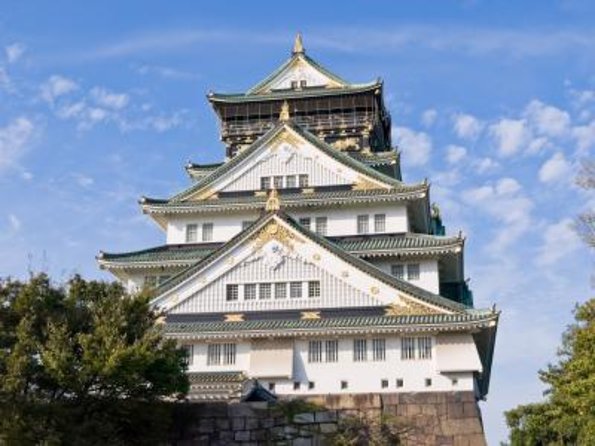
- No Osaka Castle entry: you’ll learn from the outside and nearby history, but admission isn’t included.
- Street food is part of the plan: lunch is included with drink, and the market stops are built for eating.
- Two train hops are required: fares are not included (¥240 and ¥190).
- Small group size: capped at 11 travelers, which keeps it easy to ask questions.
- Off-the-main-lane alleys show up: Hozenji Yokocho is a preserved, lantern-lit side street.
- Diet limits at lunch: vegan and gluten-free can’t be catered for.
Why This Osaka Walking Tour Feels Like a Real Day, Not a Sightseeing Checklist
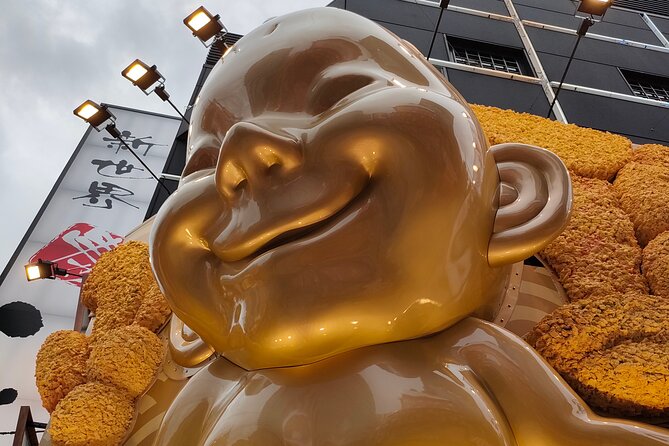
This tour works because it’s set up like a local day: start with the city’s power center, then shift into shopping lanes, then into food alleys, and finally end with that old-school Osaka mood in Shinsekai. You’re not just clocking famous landmarks; you’re learning why these neighborhoods feel the way they do.
I also appreciate the tour’s balance of old and new. You get the historical backbone around the Osaka Castle area, then youth culture in Amerika-mura, and then the neon-and-night vibe around Dotonbori. It’s a good way to understand Osaka as a mix of eras, not a single theme park.
And because it’s mostly on foot, you notice the details that guidebook photos miss: narrow lanes, canal edges, and the way people actually move through the city.
You can also read our reviews of more tours and experiences in Osaka.
Meeting at Ōsakajōkōen Station and Handling the 5–7 Hour Pace
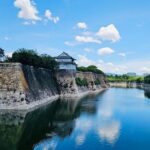
The tour starts at Ōsakajōkōen Station 3 in Chuo Ward. Plan to show up a few minutes early so you can get oriented before the first walking stretch.
You can choose 5, 6, or 7 hours, so you can match your energy level. Expect a full-day walk that adds up—one past group noted it felt like about a 5–6 mile effort, and the feedback was that the pace stayed relaxed.
Two short train rides are required, and fares are not included. The listed costs are ¥240 and ¥190, so I recommend having some extra cash or transit-ready payment loaded before you start.
Finally, this is capped at 11 people. That matters more than it sounds. Smaller groups keep the route flexible and make it easier to stop for questions, photo timing, and snack breaks without turning into a human conveyor belt.
Osaka Castle Area, Without Entering: What the First Stop Teaches
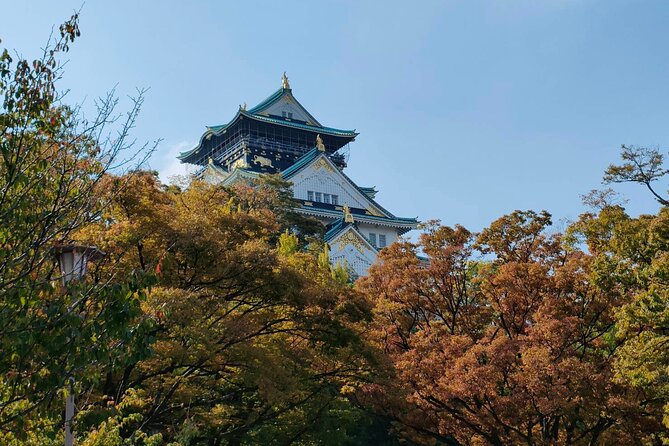
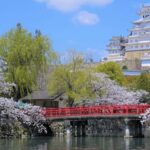
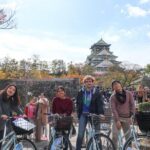
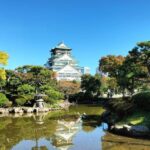
Stop one sets context. You’ll head to the iconic Osaka Castle area, learning how it shaped the region during the samurai era of the sixteenth century and how it played a role in Japan’s unification story.
Here’s the key practical point: the tour does not enter Osaka Castle. Admission isn’t included, and you should treat this as a history-viewing stop, not a museum visit. If you want inside-the-castle time, you’ll need a separate plan.
The upside is time. By not waiting for entry lines and ticket logistics, you can keep the day moving toward the city’s most memorable walking zones—Amerika-mura, Dotonbori, and the market area where you’ll be hungry anyway.
Amerika-mura: Street Style History in Narrow Lanes
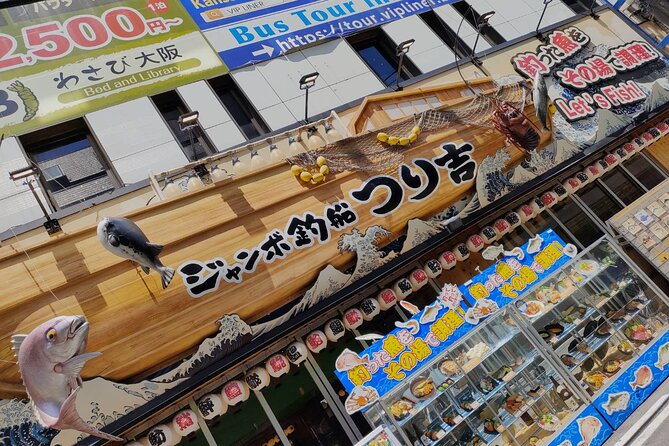
Amerika-mura (locals often say Amemura) is the tour’s dose of modern Osaka identity. This area is centered on youth culture, with lots of shops tied to urban apparel and hip-hop fashion.
Stop duration is short, but the point isn’t to shop for hours. It’s to feel Osaka’s trend side and understand how it grew into a style hotspot even while other parts of the city keep older rhythms.
Practical tip: wear shoes you can walk fast in. The streets are narrow and the lanes encourage quick turns.
Shinsaibashi-suji Shopping Street: A 600-Metre Slice of Osaka Retail
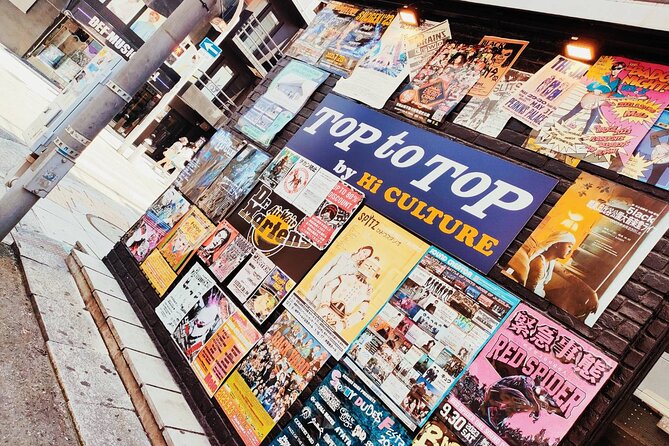
Next comes Shinsaibashi-suji, a covered shopping street that’s long been a major Osaka retail corridor. The tour frames it as a place to experience Japan’s consumer culture—so you’re not just passing through, you’re learning what you’re seeing.
It’s about 600 metres of covered pedestrian space, with hundreds of shops along the way. That’s useful in two ways:
- It’s great for staying comfortable if the weather shifts.
- It’s a easy-to-follow stretch that helps your feet recover before the next steps toward Dotonbori.
If shopping isn’t your thing, you can still enjoy it by treating it like a walking gallery: look at signage, store styles, and how the crowd flows under the roof.
Dotonbori Tsuribori: Neon, Night Energy, and Street Food Momentum
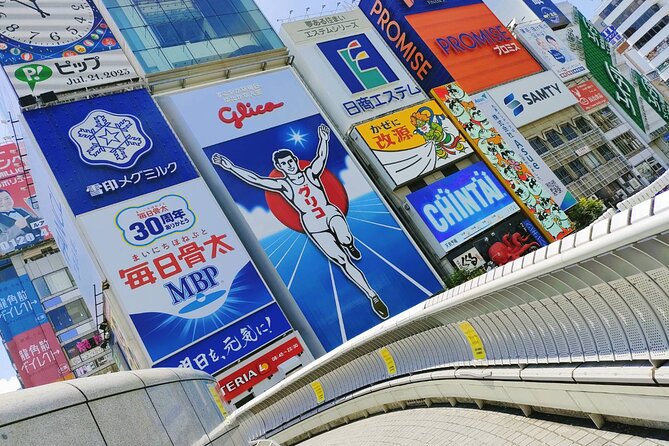
Dotonbori is where Osaka becomes loud in the best way. The tour stops near Dotonbori Tsuribori, along the canal, where you’ll see neon lights, street-food culture, and that retro energy people associate with the area.
You’ll have limited time here, but it’s enough to do two smart things:
- Pick one or two street-food targets so you don’t wander hungry later.
- Get your bearings for where to return on your own after the tour ends.
One practical consideration: because this is a nightlife-heavy zone, it can feel crowded. The tour format helps because the guide keeps you moving at a pace that won’t leave you stuck behind slower groups.
Hozenji Yokocho and Hozen-ji Temple: Old Japan Mood Between Canal Lights
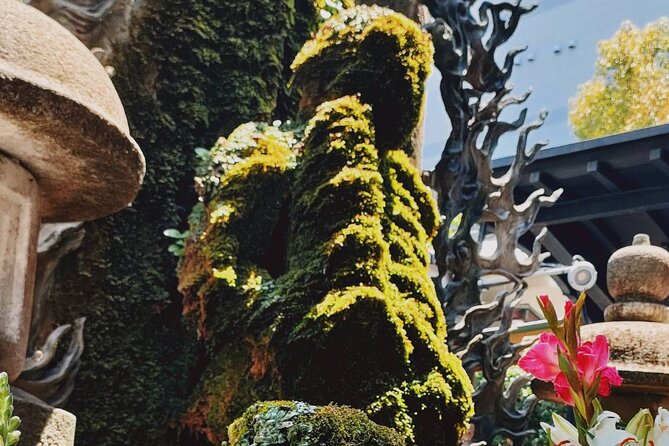
Then the tour quietly changes gear. You’ll walk into Hozenji Yokocho, a hard-to-find alley known for cobblestones and traditional lanterns. It’s a preserved narrow lane that feels like a pause button after the brighter canal streets.
Right after that comes Hozen-ji Temple, a smaller Buddhist temple dedicated to Fudo Myoo, one of the five wisdom kings in Buddhism. You’ll get a short, grounded context stop that helps the area make sense beyond a photo backdrop.
This section is valuable because it shows Osaka’s layered personality. The city can look modern and still hold onto pocket-size traditions right next door.
Kuromon Market: Osaka’s Kitchen and the Best Food Reason to Wake Up
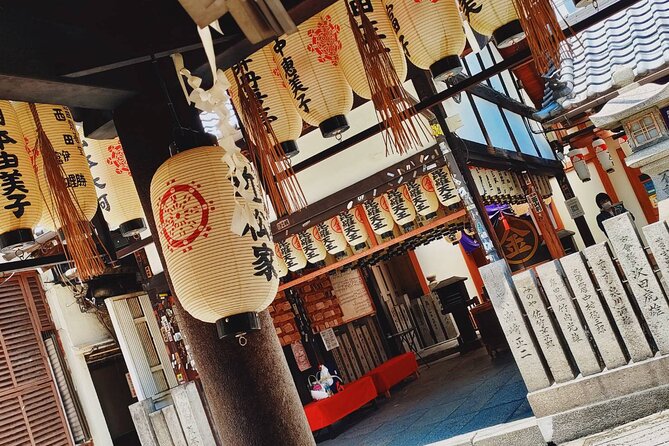
Next you reach Kuromon Market, described as Osaka’s kitchen and known for being around for over 200 years. The tour positions it as a place for fresh seafood and snack-style eating, making it one of the most practical stops on the whole route.
Admission isn’t included, and the tour time at the market is short, so the best strategy is to decide what you want to try quickly. The earlier lunch helps, but Kuromon Market is the kind of place where the smells and displays can easily convince you to add a second round.
Also, Kuromon is listed as day and private tours only, so make sure your chosen time slot matches what’s available for your booking type.
Diet note: the tour’s included lunch can’t be adapted for vegan or gluten-free needs. At Kuromon, you might find options, but the tour’s only guarantee for dietary accommodation is for standard dining, not specialty restrictions.
Shinsekai and Tsutenkaku Area: Nostalgia-Heavy Osaka
The last major stop is Shinsekai, an older district built before World War II, with the Tsutenkaku tower as its nostalgia symbol.
This is a great ending because it rounds out what you’ve learned earlier. You start with a power story (Osaka Castle area), then shift to style and retail (Amerika-mura and Shinsaibashi-suji), then food and nightlife (Dotonbori), then temple-and-lantern atmosphere (Hozenji), then market eating (Kuromon), and finally you land in a district that feels like a time capsule.
The tour time is short, but the area’s vibe is strong enough that you’ll likely want to linger afterward if it matches your taste.
Included Lunch and Street Food Strategy (What You Get and How to Plan)
Lunch is included, with Osaka-style street food and a drink at a local restaurant. This is one of the key value points because it saves you from guessing where to eat and keeps your day on track.
The downside: vegan and gluten-free requests cannot be accommodated for lunch. If you have strict needs, you’ll want to plan an alternative snack strategy for the meal time.
What I’d do if you’re eating on a walking day:
- Treat lunch as your anchor. Don’t go too heavy with snacks right before lunch.
- Then let Kuromon and Dotonbori be your second wave. That way your stomach doesn’t turn the route into a slog.
- Bring water. The day involves a lot of walking, and market areas often make it harder to pause for drinks.
One more detail: filming the tour is not permitted. Normal travel photos should be fine, but don’t assume you can run camera setups during guide narration.
Price and Logistics: Is $73.29 Good Value for a 5–7 Hour Day?
At $73.29 per person, you’re paying for a guided route that strings together major areas plus several off-the-main-lane stops. You also get the included lunch with drink, which meaningfully offsets the cost compared to doing the same day by yourself.
But you should account for the extras:
- Train fares for the two rides are not included (¥240 and ¥190).
- Osaka Castle admission is not included because the tour doesn’t enter the castle.
- Attraction tickets in general aren’t included.
So the real question isn’t whether you save money versus a solo day. It’s whether you save time, confusion, and wrong turns. For first-time Osaka visitors, the answer is often yes—because the route hits multiple “why is this here?” neighborhoods in one continuous day walk.
It’s also a smart price if you’re traveling solo and want to feel comfortable asking questions rather than guessing your way through unfamiliar districts.
The Guides Matter: English-Friendly Storytelling That Makes Stops Stick
A walking tour lives or dies by the guide’s pacing and explanations. This one is led by English-speaking guides, and names you may see include Tim, Kenzo, Scott, Adam, Alex, and Daniel.
From the pattern of guidance described, the guides tend to be friendly, patient, and ready with context. One guide is mentioned as having spent many years in Japan, and another as being able to speak with a laid-back, conversational tone that makes questions easy.
You might also get helpful add-ons like pointing out photo spots. If you’re the type who wants the fun angles for Instagram but still wants the history behind them, that kind of practical attention can make the day feel smoother.
Who This Tour Is Best For (and Who Should Think Twice)
This tour is a strong match if you want:
- A one-day Osaka overview with a mix of history, shopping lanes, and food areas.
- A guided route that reduces planning stress.
- A small group that doesn’t feel like a rush job.
It’s less ideal if:
- You specifically want to enter Osaka Castle and spend time inside exhibits. This tour focuses on learning without entry.
- You require vegan or gluten-free meal accommodations for the included lunch.
- You’re sensitive to walking distances, since it’s a mainly on-foot day with train transfers.
If you’re in Osaka for only a couple of days and you want to understand the city’s layout and personalities fast, this is a practical starting point.
Should You Book This Osaka Walking Tour?
Book it if you want a guided Osaka day that blends Osaka Castle-area context, market-and-canal food stops, and the older Shinsekai atmosphere in one continuous flow. The included lunch makes it easier to follow the itinerary without hunting for a place to eat.
Skip it (or add a separate plan) if Osaka Castle entry is your priority or if your diet needs can’t handle standard restaurant meals. Also, plan comfortable shoes and expect a solid walking day.
If your goal is to understand Osaka through neighborhoods—history side by side with how people actually live—this tour is a strong pick.
FAQ
Do we enter Osaka Castle?
No. The tour visits the Osaka Castle area for history and sightseeing, but it does not enter Osaka Castle, and admission is not included.
How long is the tour?
You can choose 5, 6, or 7 hours.
Is lunch included?
Yes. Lunch is complimentary and includes Osaka-style street food with a drink.
Are train fares included?
No. The tour uses two short train rides, and fares are not included (¥240 and ¥190).
Can the included lunch accommodate vegan or gluten-free diets?
No. Vegan and gluten-free cannot be catered for at lunch.
What happens if the weather is bad?
The experience requires good weather. If it’s canceled due to poor weather, you’ll be offered a different date or a full refund.