REVIEW · OSAKA
Learn Zen in a class of making Matcha tea near Osaka Castle
Book on GetYourGuide →Operated by 株式会社武士の誉れ · Bookable on GetYourGuide
Stepping into a tea room feels like time travel. This near-Osaka Castle experience teaches you matcha etiquette the way it’s meant to be practiced: with manners, hand motions, and a calm focus that starts the moment you change clothes. You also get wagashi, the season-themed sweets that pair with the tea ceremony’s quieter ideas, plus a photo session to help you remember it clearly.
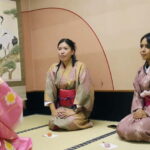
I especially love the built-in lesson of equality. Once you pass through the nijiriguchi entrance, status and background don’t matter the way they do outside, and the class trains you to respond with respect to the host and to the shared moment. I also like how much attention goes into the presentation—kimono styling (and the overall look) is part of the experience, not an afterthought.
One drawback to plan around: it’s short at 1 hour, so it’s more about doing the ceremony and learning key manners than spending lots of time on deeper tea history. Also, you’ll need to handle your own trip to the venue since transport and station/hotel pickup aren’t included.
In This Review
- Key things to know before you go
- Samurai Honor near Osaka Castle: the setting and the meet-up
- Changing into your role: samurai look for men, kimono for women
- The nijiriguchi moment: why this doorway teaches equality
- Learning hospitality as a two-way practice
- Matcha making, one-on-one attention, and how the class flows
- Wagashi: how the sweets teach wabi-sabi and the seasons
- Kimono styling and photos: keeping your memory intact
- Price and value: what $40 gets you in real-world terms
- Who this is best for (and who should skip it)
- Practical tips so your tea ceremony day goes smoothly
- Should you book this matcha and kimono class near Osaka Castle?
- FAQ
- Where is the class located?
- What is the meeting point landmark?
- How early should I arrive?
- How long is the experience?
- What’s the price and what does it include?
- What languages are available for the guide?
- What should I bring?
- What is not included?
- What outfits will men and women wear?
- Is this class suitable for children?
Key things to know before you go
- Nijiriguchi equality moment: you’ll enter the tea room and treat everyone as equals in the most literal way.
- Wagashi as a lesson: sweets are used to explain wabi-sabi and the four seasons.
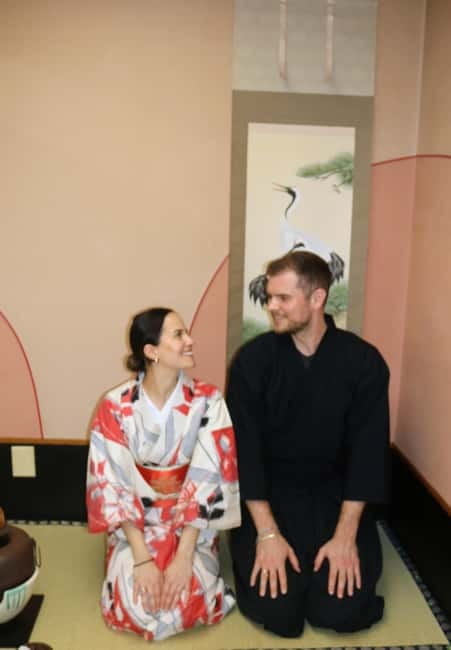
- Samurai or Yamato Nadeshiko outfits: men wear hakama and dogi; women wear kimono, with hair styled to match.
- Tea etiquette practice: you practice how to sit, bow, serve, and move during the ceremony.
- Small group size (up to 6): you’ll get more time and attention than big group classes.
- Photo shooting included: you’ll get ceremony photos sent by email after.
Samurai Honor near Osaka Castle: the setting and the meet-up
This class happens at Bushi no Homare (Samurai Honor), in Osaka, with the vibe of a formal cultural room rather than a casual workshop. If you’re coming from around Osaka Castle, it’s a convenient add-on day activity because you’re not committing to half a day of commuting and logistics.
You’ll meet at a wooden sign that reads Honor of the Samurai. The location is a rack with Samurai Honor activity pamphlets in front of the store, and you’ll also see kimonos and hakama hanging nearby, which makes it easier to spot once you’re close. There’s an important map note: the Apple Maps listing is incorrect, so use Google Maps for the correct address.
The specific address is:
Bushi no Homare (Samurai Honor), Excellence Takayama 1F, 2-3-19 Shiginonishi, Joto-ku, Osaka-shi, Osaka 536-0014.
Timing matters. Arrive 30 minutes early so you can get instructions and change clothes without feeling rushed. With an outfit session built in, that cushion is worth it.
You can also read our reviews of more tours and experiences in Osaka.



Changing into your role: samurai look for men, kimono for women
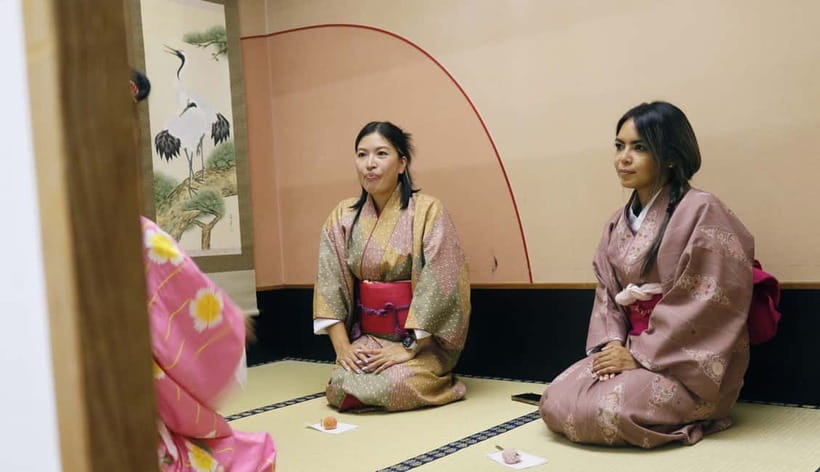
Before you touch the tea tools, you change into traditional clothing. That’s not just costume here—it’s part of how the ceremony shifts your posture, your pace, and your mindset.
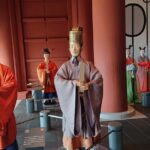
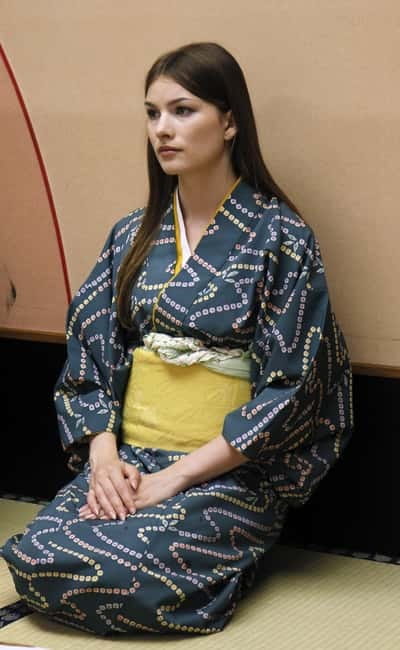
Men typically wear hakama plus dogi, creating a samurai-style outfit. Women are dressed in kimono and styled to complement the look. The class also includes help with the presentation: the hair is arranged to match the kimono, and some participants report their hair being styled up with flowers as part of the care.
A key detail: wagami (the collected hair + kanzashi) is listed as not included. If you’re hoping for a full, accessory-heavy hair setup, you’ll want to check with the staff about what’s covered in the base styling versus what would be a paid add-on.
What to bring is simple: just a T-shirt. The rest is handled for you—clothing, matcha, wagashi, and instruction.
The nijiriguchi moment: why this doorway teaches equality
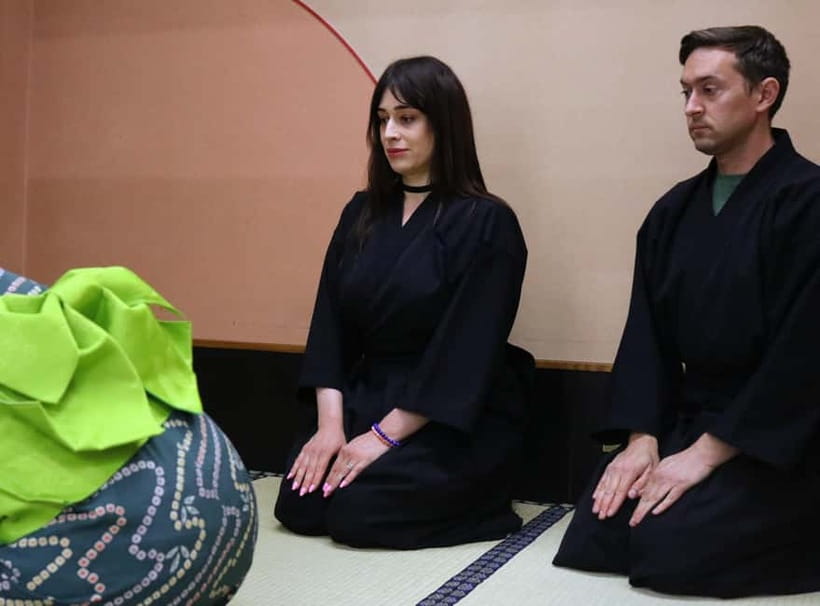
The ceremony room entrance is the nijiriguchi, a small opening that you pass through. The effect is immediate: you physically lower your body to enter, and the experience reframes the room as a shared space rather than a place where you stand above or below someone else.
Once you pass through that entrance, everyone is treated equally regardless of nationality, age, gender, or status. For a lot of people, this is the most memorable part of the class because it changes how you feel about the etiquette. It stops being rules on a page and becomes a lived experience.
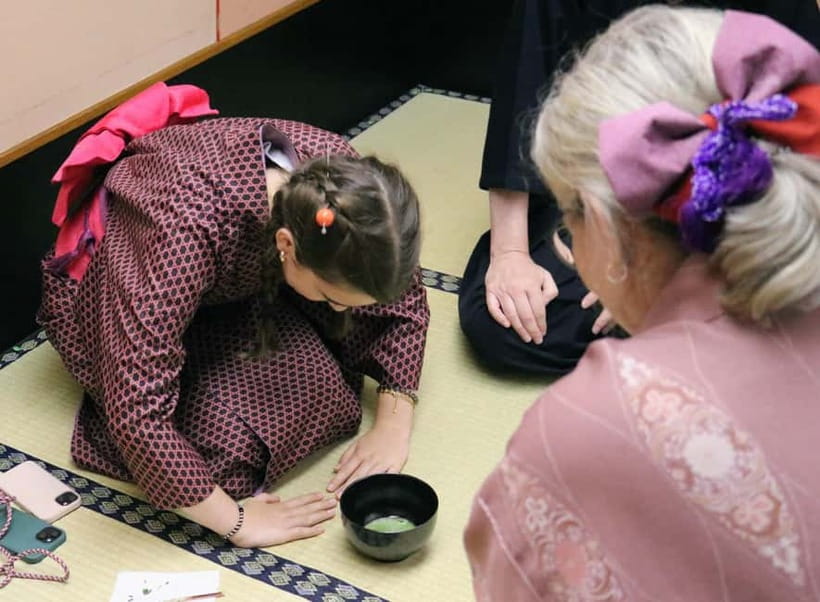
Right after you enter, the hostess and the master guide you through the proper manners. You’ll learn how to bow, how to sit, how to stand, and how to move during the ceremony. You’re not expected to know it already. The goal is to practice the shapes of politeness—small gestures done with awareness—so you can participate correctly.
Learning hospitality as a two-way practice
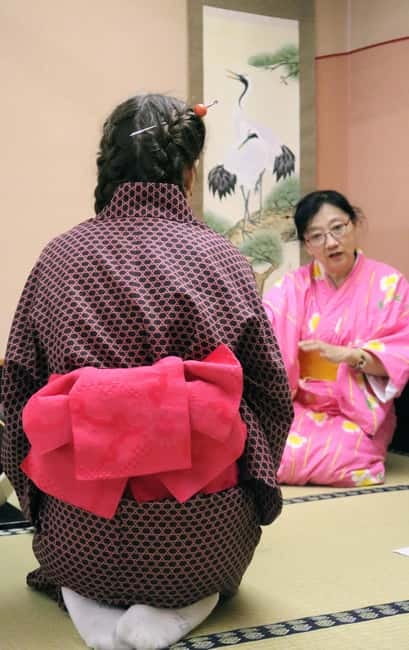
Tea ceremony is often described as hospitality, but here it’s taught as a two-way exchange. The underlying idea is that the master entertains, and the guests respond—creating an atmosphere where both sides connect through attention.
That matters because it changes what you do as the participant. It’s not only about receiving a performance. You’re trained to react at the right times and to carry yourself in a way that respects the host’s rhythm. That’s why the class emphasizes etiquette practice rather than only teaching theory.
In the explanations, you’ll also hear about the spirit of the tea ceremony as a way to create harmony. Some instructors (for example, Kaori was noted for walking participants through the preparation step by step and explaining the historical and cultural context) focus on making the experience understandable, not just pretty.
Matcha making, one-on-one attention, and how the class flows
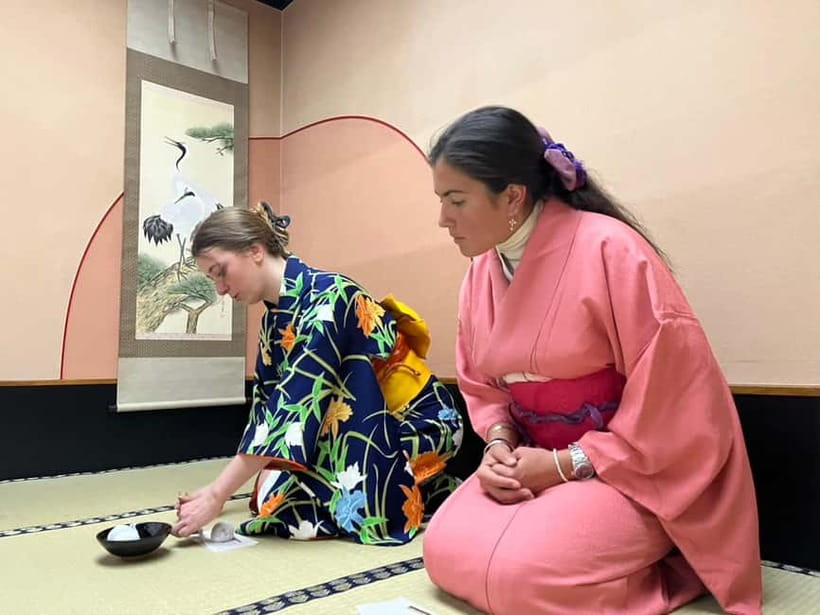
You experience the ceremony as a guest invited into the samurai setting. The master serves matcha first, then you learn how it’s prepared and how to handle the steps with correct manners.
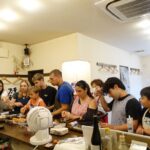
The big practical advantage is group size. This is limited to 6 participants, and multiple participants mention that the host took time to ensure each person had a chance to experience the tea making, not just watch. So even if you’re new to this, you won’t get stuck being a passive observer.
One important detail: the session is about doing, within a tight time window. Since it lasts 1 hour, the class structure tends to move at a steady pace: change clothes, learn the key etiquette, participate in the ceremony, and wrap up with photos. It’s a good format if you want a memorable cultural activity without losing your whole day.
Included with the class are matcha and a wagashi pairing, so you can taste the sweets as part of the moment, not separately after. Alcohol and drugs are not allowed, and there’s no mention of any food restrictions beyond the ceremony components.



Wagashi: how the sweets teach wabi-sabi and the seasons
Wagashi aren’t treated like a snack here. They’re part of the lesson. Through wagashi, you learn about Japanese aesthetic ideas like wabi-sabi, plus themes such as the four seasons.
Wagashi developed alongside the tea ceremony in the Kamakura period, and the whole point is to reflect the seasons and the feeling of imperfection and quiet beauty. In practice, that means you’ll hear how wagashi designs connect to spring, summer, fall, and winter—often using ingredients and shapes that suggest the season rather than just tasting sweet.
A lot of the impact comes from how wagashi look. They can be so carefully made that the first reaction is usually hesitation at eating them. The class ties this visual craft to the philosophy: the Japanese love of seasonal change, and the appreciation of subtle handmade work.
If you’re the type who enjoys culture through sensory details, this is one of the strongest parts of the class. Tea etiquette is abstract until you’re standing in the room; then the wagashi gives you a concrete anchor for what the ceremony values.
Kimono styling and photos: keeping your memory intact
This experience includes photo shooting. You’ll send data to a designated email address after the class, which is a big convenience if you don’t want to hunt down a photographer or rely on your phone timer.
The styling is also worth paying attention to. Some participants report choosing kimono colors themselves, and getting hair styled up and decorated with flowers without an extra charge. The photos are timed to your ceremony look, so you come away with images that match what you actually learned and practiced.
What’s not included are additional photo upgrades. Outdoor photo shoots are listed as not included, and movie shooting is a paid option. So if you want the “out in the street” kimono photos near landmarks, you’ll need to plan for that as an extra service rather than assuming it comes standard.
Price and value: what $40 gets you in real-world terms
At $40 per person for a 1-hour class, you’re not just paying for a cup of tea. You’re paying for several bundled services that would be expensive or time-consuming to replicate on your own: traditional clothing, an English interpreter guide staff, matcha and wagashi, a certified professional instructor, tax, tips, and photo shooting with the images sent by email.
When you add those up, the value becomes clearer. A kimono experience often costs money by itself. Add in a matcha + wagashi pairing, plus a guided etiquette lesson, and the price starts to look reasonable for a short session.
The main value trade-off is that you’re limited to 1 hour. If what you want is a long, slow, deeply technical tea session, this may feel like a taste rather than a full immersion. But if you want a high-impact cultural experience you can fit into a day around Osaka Castle, the format makes sense.
Excluded items are mainly about convenience and add-ons: no pickup/drop-off, no transportation, and wagami is not included. There’s also no paid outdoor photo shoot by default, and no movie shooting unless you add it.
Who this is best for (and who should skip it)
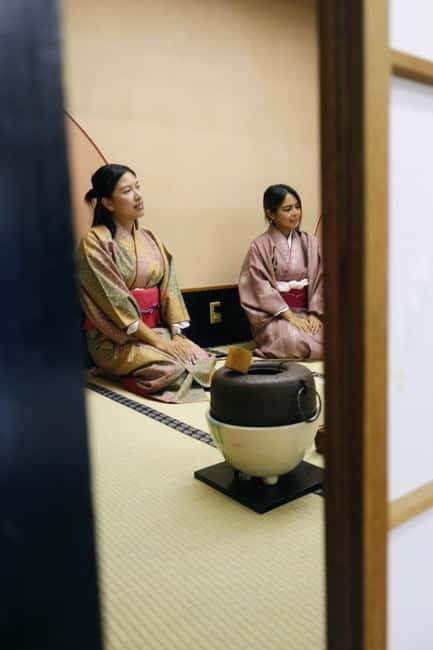
This class fits well if you want:
- a hands-on cultural activity with tea etiquette practice
- traditional outfits with photo documentation
- a short schedule that doesn’t swallow your day
It’s also a nice choice for shared family memory making. The highlights specifically call out sharing experiences and memories together with children, and the ceremony is designed around a sense of mutual respect in the room.
Still, it’s not for everyone. It’s not suitable for children under 10 years. People with altitude sickness should avoid it, and it isn’t suitable for people over 95 years. If you have mobility concerns, the class involves moving in traditional ways and entering through the nijiriguchi, so you should consider comfort and flexibility.
Practical tips so your tea ceremony day goes smoothly
- Arrive 30 minutes early. Changing clothes and getting instructions takes time.
- Bring a T-shirt. That’s the only item listed as required.
- Look for the Honor of the Samurai sign. It’s your best landmark, and it’s next to hanging traditional outfits.
- Plan your transportation yourself. Pickup and drop-off aren’t included.
- Skip alcohol and drugs. The class rules explicitly forbid them.
- Bring patience for etiquette. You’ll be guided through rules like how to sit, bow, stand, and move, so don’t worry if you feel awkward at first.
Should you book this matcha and kimono class near Osaka Castle?
If you want a structured, photo-friendly tea ceremony experience with real instruction—kimono styling, matcha making, wagashi lessons, and etiquette practice in one hour—this is an easy yes. The small group size helps, and the nijiriguchi equality concept gives the class more meaning than a typical souvenir activity.
I’d think twice if you’re chasing a long-form tea seminar, if you need included transportation from your hotel, or if your schedule can’t handle arriving 30 minutes early. Also, if your group includes children under 10 or someone sensitive to altitude-related discomfort, this won’t fit.
Overall, it’s a good value way to experience Japanese culture close to Osaka Castle, with the kind of calm, respectful focus that’s hard to fake unless you’re actually practicing it.
FAQ
Where is the class located?
The class is at Bushi no Homare (Samurai Honor), Excellence Takayama 1F, 2-3-19 Shiginonishi, Joto-ku, Osaka-shi, Osaka 536-0014. The information notes that Apple Maps is incorrect, so use Google Maps.
What is the meeting point landmark?
Meet at a wooden sign that reads Honor of the Samurai. It’s described as a rack with Samurai Honor activity pamphlets in front of the store, and there are also kimonos and hakama hanging nearby.
How early should I arrive?
Please arrive 30 minutes before your reserved experience time for instructions and changing clothes.
How long is the experience?
The duration is 1 hour.
What’s the price and what does it include?
The price is $40 per person. Included items listed are kimono clothing, English interpreter guide staff, matcha, wagashi, a certified professional instructor, tax, tips, and photo shooting with the data sent to a designated email address.
What languages are available for the guide?
The default interpreter language is English. Japanese is also listed. Other languages are only possible if staff availability allows, so you should inquire before reserving.
What should I bring?
You should bring a T-shirt.
What is not included?
Not included: pick up and drop off at train station or hotel, transportation, wagami (collected hair + kanzashi), paid options, outdoor photo shoot, and movie shooting (which is a paid option). Personal expenses are also not included.
What outfits will men and women wear?
Men will wear hakama and dogi to become a samurai. Women will be dressed in kimono and become a Yamato Nadeshiko.
Is this class suitable for children?
It is not suitable for children under 10 years. It is also listed as not suitable for people with altitude sickness and for people over 95 years.