REVIEW · OSAKA
Osaka Japanese Cooking And Matcha Class near Osaka Castle
Book on Viator →Operated by Japanese home cooking class in Osaka · Bookable on Viator
Osaka can be a food overload, so this class gives you focus. You’ll cook one traditional dish option, then learn how to make matcha at home, with a friendly family-style teaching setup near Osaka Castle.
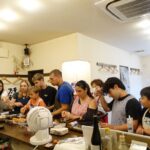
I like that it’s truly small-group. With a maximum of 10 people, you get more back-and-forth while you’re cooking, instead of watching from the sidelines.
One thing to consider: you choose only one dish option (home-cooked dishes, okonomiyaki, or bento), so if you’re hunting for a multi-course variety-fest, this may feel a bit focused.
In This Review
- Key reasons this Osaka cooking and matcha class works
- Osaka Castle area, then straight into cooking
- Pick your one dish: home-cooked, okonomiyaki, or bento
- The matcha lesson you can actually repeat at home
- Cooking with Ikuko and Takumi: warm, personal, and practical
- Dinner upgrade: sake tasting with your meal
- A clear 2-hour flow that fits real travel days
- Value check: what $65.69 buys you in Osaka
- Getting there and timing it with Osaka food stops
- Who should book this class (and who might skip)
- Should you book the Osaka Japanese cooking and matcha class near Osaka Castle?
- FAQ
- Is this class lunch or dinner?
- How long is the experience?
- What dish options can I choose?
- Can I add sake tasting?
- What is the group size limit?
- Where is the meeting point?
Key reasons this Osaka cooking and matcha class works
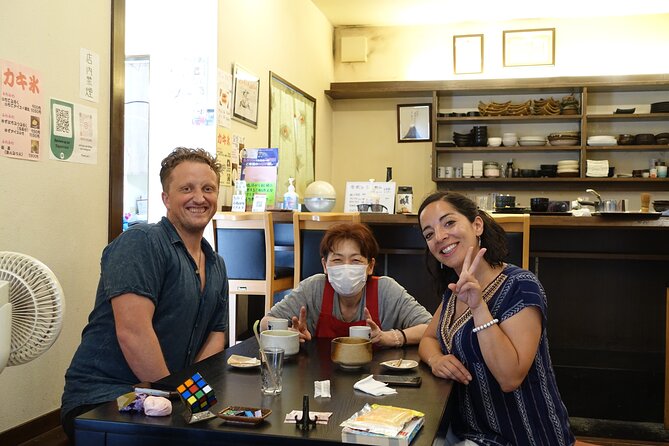
- Max 10 people means more hands-on help and easier Q&A
- Lunch or dinner options let you plug it into your Osaka sightseeing rhythm
- Cook one chosen dish (home-cooked, okonomiyaki, or bento) so you leave with a repeatable meal plan
- Learn matcha at home as a real skill, not a quick demo
- Optional sake tasting pairs with your meal for a simple flavor upgrade
- Ikuko and Takumi keep the class warm and supportive, with translation help when needed
Osaka Castle area, then straight into cooking
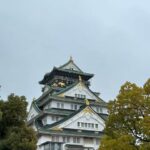
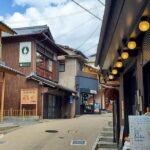
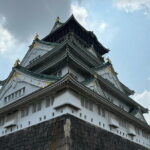
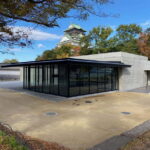
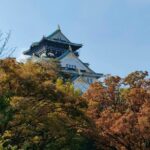
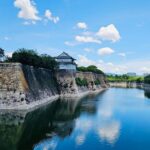
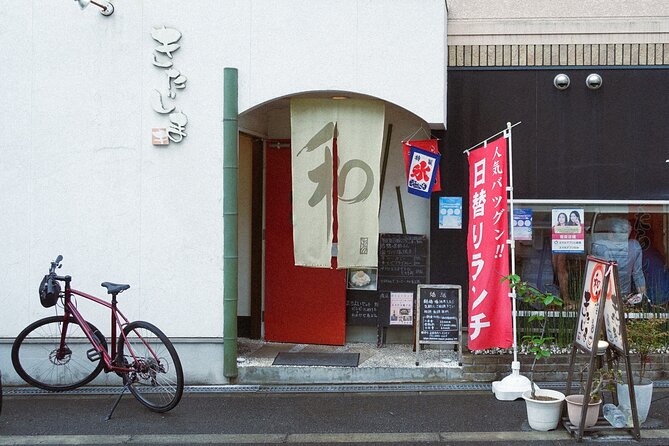
This class is based in Osaka’s Higashinari Ward area, close enough that you can make it part of a day that also includes big sights. The location is about one JR station from Osaka Castle Station, and it’s a short walk from Morinomiya Station. From Shinsaibashi and Namba, it’s a practical detour if you want something food-first before you call it a night.
A small detail I really appreciate: since the experience runs out of a cafe, you can grab a coffee to settle in before class begins. That matters more than people think. Osaka days move fast, and having a calm start makes the hands-on part easier to enjoy.
The meeting point is at 3-chōme-8-2 Nakamichi, Higashinari Ward, Osaka, 537-0025. Plan to arrive a little early so you’re not doing the “find it while everyone else is hungry” dance.
You can also read our reviews of more tours and experiences in Osaka.
Pick your one dish: home-cooked, okonomiyaki, or bento
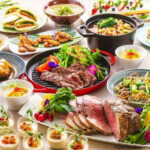
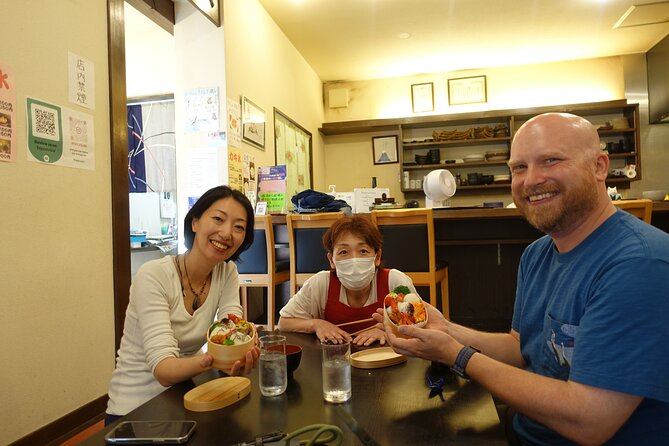
The class is set up as a cooking and matcha experience, either lunch or dinner. You’ll make dishes commonly enjoyed in Japan, with an Osaka-friendly focus. The key decision is simple: you choose one dish from these options:
- Home-cooked dishes
- Okonomiyaki
- Bento
That one-choice structure is a big part of the value. Instead of trying to churn through multiple items, you get time to actually work the dish and learn techniques you can recreate later. You also get the chance to ask questions while you’re in the middle of doing the real work.
In real-world terms, here’s how the choice may shape your experience:
- If you want something more everyday and kitchen-like, go for home-cooked dishes.
- If you want Osaka’s most famous skillet-style comfort food, choose okonomiyaki.
- If you like variety and portioning (and want something that fits the idea of easy-at-home Japanese meals), pick bento.
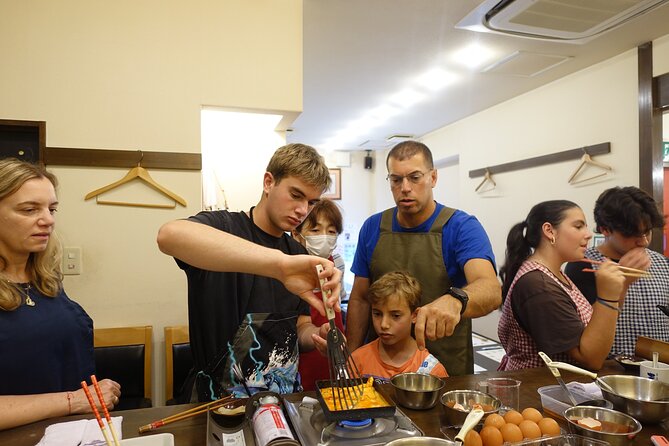
From the class reviews and dish examples shared by the host, you might see sessions that include items like takoyaki-style cooking or a rolled omelette style. But your exact dish depends on the option you select, so treat it as menu-driven. Either way, you’re not just learning technique in theory—you’re actively cooking.
The matcha lesson you can actually repeat at home
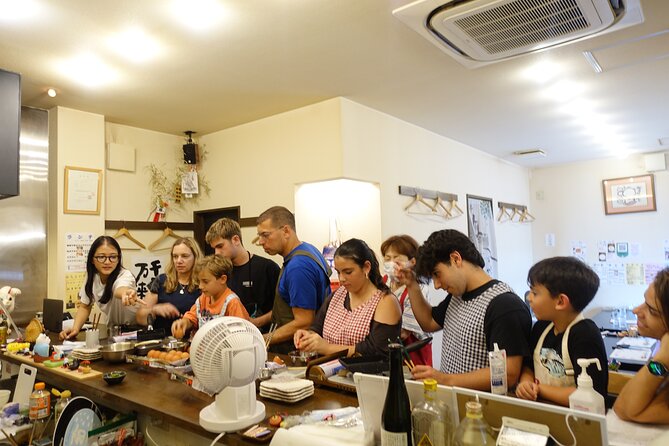
The matcha part is the second half of what makes this class more memorable than a basic cooking workshop. You’re learning how to make authentic matcha at home, not just learning what matcha is.
What I like about this approach is that matcha is one of those things that feels simple until you try it. The class structure gives you a chance to learn the process directly, and then you can copy it later in your own kitchen. That’s the difference between eating something good in Osaka and coming home with a new habit.
Also, the matcha lesson pairs naturally with the cooking. It gives the whole meal a clear theme: you’re not just making food, you’re building the experience end-to-end—cooking plus the drink that belongs with it.
Cooking with Ikuko and Takumi: warm, personal, and practical
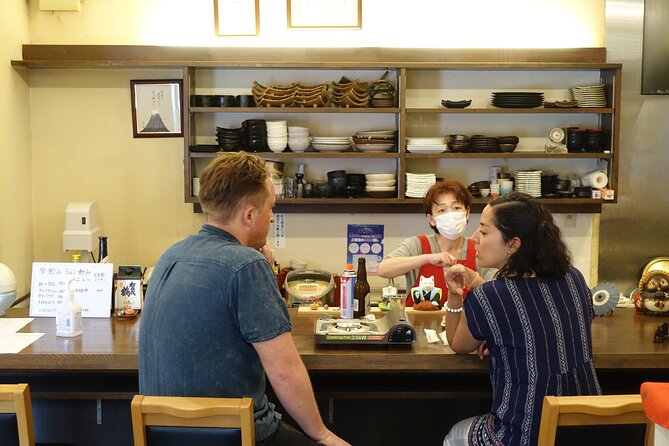
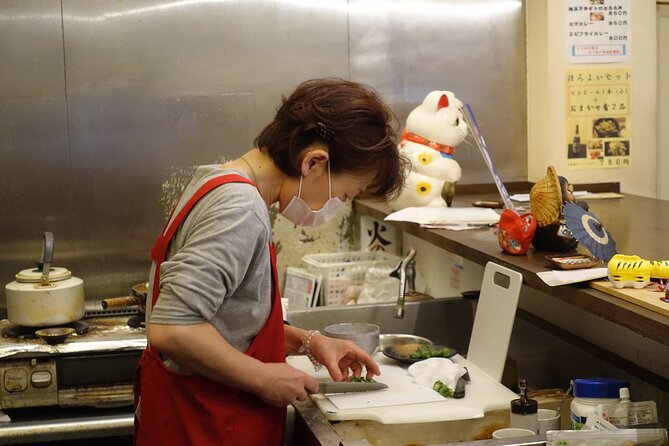
One reason this class earns a top rating is the teaching style. The host, Ikuko, runs the experience with a very welcoming, family energy. Her son Takumi is often part of the flow too, and if language becomes a snag, translation support helps keep everyone moving.
Even if your Japanese is limited, the setup is built for interaction. Since the group size is small (up to 10), it’s easier to ask what you need while your hands are still busy and your brain is still focused on timing.
From what’s been shared in feedback, Ikuko does a great job making people feel comfortable—like you belong at the cutting board, not like you’re an observer. That comfort matters in cooking classes because small mistakes happen. A good host turns those moments into learning points.
One more practical advantage: because it’s guided step-by-step while you cook, you’re less likely to end up with a plate that tastes wrong simply because you missed one timing cue. That’s the kind of detail that helps you succeed even on day one.
Dinner upgrade: sake tasting with your meal
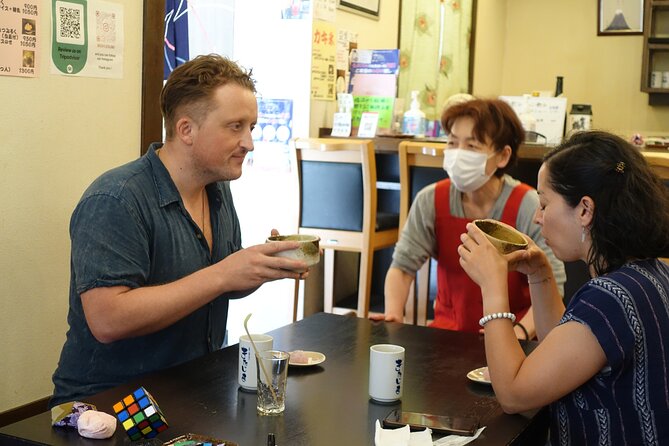
If you upgrade, you can include a sake tasting with your meal. The key point here is that it’s paired with what you cooked, so it doesn’t feel random.
Is it necessary? No. But it’s a neat add-on if you want one more layer of Japanese food culture without turning it into an all-afternoon detour. Since the class runs about 2 hours, it stays efficient.
I like this upgrade because it’s low-pressure. You’re not committing to a long tasting session at a bar; you’re sampling in the context of a meal you made yourself.


A clear 2-hour flow that fits real travel days
The experience is about 2 hours long. That length is ideal in Osaka, where you often want to eat well but also want time for walking, shopping, and sightseeing.
A realistic way to think about the flow:
- You meet at the Nakamichi address.
- You get settled (including the option for coffee at the cafe).
- You cook your selected dish with the instructor’s guidance.
- You learn how to make matcha.
- You eat the meal you made, with an optional sake tasting upgrade.
Because the class ends back at the meeting point, there’s no complicated route puzzle afterward. You can head out right away for evening plans, or if it’s a lunch slot, you’ll have time to continue exploring.
One timing detail worth noting: the start time listed for this experience shows 5:30 pm. Since the class also offers lunch options, make sure you choose the time that matches your day. If you’re planning around a reservation, temple visit, or Osaka Castle viewing, double-check the slot you book.
Value check: what $65.69 buys you in Osaka
At $65.69 per person, the price lands in the “worth it if you’ll use the skills” category. Here’s why it makes sense for the money:
- You’re cooking and eating what you make, so the class isn’t just instruction.
- You learn matcha at home, which is a take-home skill, not only a one-time meal.
- Small group size (max 10) usually means more attention from the instructor.
- You can optionally add sake tasting, which is a bonus without changing the overall length.
Is it the cheapest thing in Osaka? No. But it’s also not a generic cooking demo where you do nothing but watch. The format is designed so you leave with a clear mental recipe path: the dish option you chose, plus the matcha method.
If you’re deciding between this class and another food activity, I’d choose it when you want hands-on learning and a new at-home habit, not only a nice meal.
Getting there and timing it with Osaka food stops
This is an easy class to place between bigger sights and casual eating.
- If you’re staying near Shinsaibashi or Namba, you can reach it without overhauling your whole day.
- If you’re already doing Osaka Castle area time, it’s close enough to feel connected rather than forced.
- It also works well as a planned dinner, since one start time listed is late afternoon into evening.
Here’s my practical tip: treat the class as your anchor meal. If you go out for snacks before, you’ll want to go light—because once you start cooking and tasting, you’ll likely be hungry again in a good way.
Who should book this class (and who might skip)
This experience fits best if you want:
- A hands-on food activity instead of a sit-and-watch show
- A small-group class where you can ask questions while cooking
- A practical skill upgrade, especially matcha at home
- Osaka flavor choices through home-cooked dishes, okonomiyaki, or bento
You might consider a different option if:
- You want lots of different dishes in one sitting (this is one main dish option)
- You prefer very structured, Western-style cooking workshops with detailed written recipes (the experience is more about guided cooking and in-the-moment teaching)
It’s also a great fit for couples and friends, and it can be especially fun when everyone wants to participate instead of splitting into watch-and-eat roles.
Should you book the Osaka Japanese cooking and matcha class near Osaka Castle?
If you like the idea of learning something you can repeat at home—especially matcha—this class is a strong pick. The small group size, the friendly host team (Ikuko and Takumi), and the Osaka-relevant dish choice make it feel personal without being complicated.
Book it when:
- You want a meal plus skills in about 2 hours
- You’d enjoy cooking one dish really well
- You like the Osaka Castle area but also want an easy plan
I’d skip or rethink if you’re chasing a huge variety buffet of multiple dishes in one session.
Overall: it’s a focused, friendly, food-first class that’s easy to fit into an Osaka day—and that focus is exactly what makes it worth your time.
FAQ
Is this class lunch or dinner?
It offers lunch or dinner options, so you can choose the time that best fits your schedule.
How long is the experience?
The experience lasts about 2 hours.
What dish options can I choose?
You can choose one dish option: home-cooked dishes, okonomiyaki, or bento.
Can I add sake tasting?
Yes. You can upgrade to include a sake tasting with your meal.
What is the group size limit?
The class has a maximum of 10 travelers.
Where is the meeting point?
The meeting point is 3-chōme-8-2 Nakamichi, Higashinari Ward, Osaka, 537-0025, Japan.