REVIEW · OSAKA
Osaka Highlights: 4-Hour Walking Tour with Castle
Book on Viator →Operated by Pinpoint Traveler, Inc · Bookable on Viator
Osaka in one walk, with brains and snacks. This 4-hour highlights route strings together Osaka Castle grounds, old-market Osaka, and the neon-and-street-food world of Dotonbori. You get a morning or afternoon start, and your guide keeps the pace moving while still letting you ask questions.
Two things I really like: the tour skips the time-waster parts and concentrates on the places that actually give you Osaka’s mood, and the guide work has strong practical value (clear history, good routes, and frequent photo stops). If you’ve got limited time, this is a smart way to get your bearings fast.
One possible drawback: it’s still a walking tour. Plan for plenty of steps and subway stairs, plus you’ll pay for transit during the tour (about ¥800 per person), and food drinks aren’t included.
In This Review
- Key Points at a Glance
- Starting at Tempozan Ferris Wheel: How the 4 Hours Flow
- Osaka-jo Grounds: What’s Worth Your Time at the Castle
- Tsuruhashi Ichiba Market: A Local Chaos That Makes Sense
- Abeno Harukas Viewpoints: Getting High Without Waiting or Paying Top Deck
- Shinsekai: Retro Streets, Old Entertainment Energy
- Dotonbori Neon and Side Streets: Running Man Plus Back Lanes
- Price and Value: Is $80 a Good Deal for an Osaka Highlights Walk?
- What the Best Guides on This Route Do Differently
- Subway Stairs, Comfortable Shoes, and How to Walk Smart
- Who Should Book This Osaka Castle Walk and Who Should Skip It
- Should You Book It?
- FAQ
- Where does the tour start?
- Where does the tour end?
- How long is the tour?
- How much does the tour cost?
- Is this a private tour?
- Do I choose morning or afternoon?
- Is hotel pickup available?
- Is food included?
- Is there an admission cost for the stops?
- Are there accessibility or comfort considerations?
- How can I handle subway fares during the tour?
Key Points at a Glance
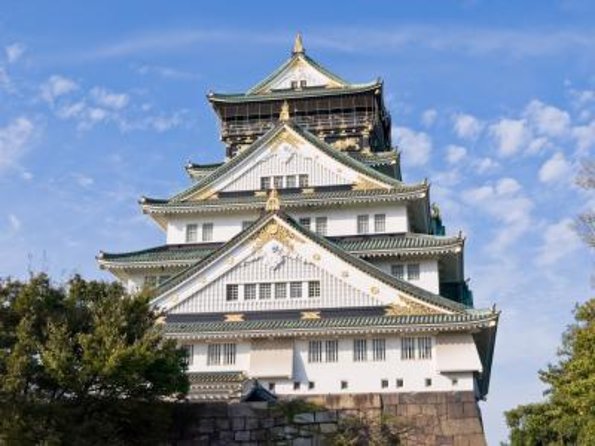
- Castle focus on the outside and grounds: You’ll enjoy Osaka-jo’s park and exterior without pushing into a disappointing interior.
- Time-warp market stop at Tsuruhashi Ichiba: Fashion, food, and daily-life energy in one local setting.
- Abeno Harukas viewpoint without the top-deck cost: You get an excellent look without paying for the very top.
- Shinsekai for retro entertainment street vibes: A fun contrast to the rest of the day.
- Dotonbori neon plus side-street wandering: You’ll see the famous running-man area and then escape into smaller lanes.
- Private for your group, guided by fluent English (or selected language): Small-group feel, customized attention.
Starting at Tempozan Ferris Wheel: How the 4 Hours Flow
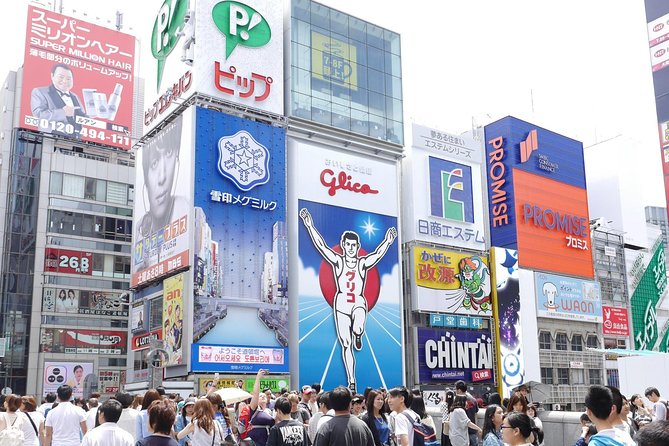
This tour begins at the Tempozan Ferris Wheel area in Minato Ward. That matters, because it sets you up on the “other side” of Osaka first, before you head toward the city’s biggest draw. The end point is in the Namba / Dotonbori neighborhood near Namba Station, so you finish right where it’s easiest to grab dinner and keep exploring.
The timing is built around a half-day rhythm. You’re not stuck in long museum lines, and you’re not trying to sprint across Osaka with no plan. You’ll mix walking with subway segments, guided end-to-end by someone who knows the shortcuts and where the time goes.
You do need to come ready to move. The tour is designed for travelers with moderate physical fitness and includes subway stairs. Comfortable walking shoes aren’t optional here; they’re the difference between enjoying the day and having your feet file a complaint.
If you can, I’d treat this as a first-day-or-near-first-day activity. It helps you understand how neighborhoods connect, so later, when you wander on your own, you’re not just chasing a map.
You can also read our reviews of more tours and experiences in Osaka.
Osaka-jo Grounds: What’s Worth Your Time at the Castle
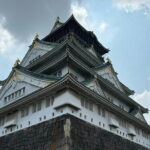
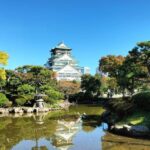
Osaka Castle (Osaka-jo) is the big, obvious draw. The smart move on this route is that you don’t waste time inside the castle building. The guide route focuses on the park and the exterior, and that’s where the experience pays off.
Why does that matter? Castle grounds give you wide-open space, classic views, and the chance to absorb the scale of the place without turning your afternoon into a slow-line marathon. If you’re short on time, you want “great Osaka” per minute, not just a ticket.
You also get an hour here. That’s enough time to walk the grounds, take photos, and still keep the energy up for the rest of the day. One practical tip: use the castle stop to settle your walking pace. If you start slow and steady here, the rest of the route feels easier.
If you were hoping for a deep museum crawl inside the castle, this isn’t that tour. The route is clearly designed for sightseeing and neighborhood context, not for a heavy interior focus.
Tsuruhashi Ichiba Market: A Local Chaos That Makes Sense
After the castle, you head to Osaka Tsuruhashi Ichiba. This is one of those places that feels like a time-warp, where local life collides with quick shopping and street-level food culture. It’s loud in the best way—fashion, food, and daily chatter happening together.
The tour keeps this stop to about 30 minutes. That’s the right length for a market: long enough to scan stalls, notice what people actually buy, and grab an easy bite if you want. Short enough that you don’t end up stuck in decision fatigue.
What you’ll likely love here is the texture. This isn’t just “pretty sights.” It’s where Osaka’s practical side shows up: people moving fast, bargaining without drama, and vendors doing what they do every day. Even if you don’t shop, it gives you a real sense of how markets work in Japan.
Food is not included on the tour, so if you want to snack here, budget for it. But this is a great place to test what you like—because you can choose what sounds good rather than paying for a set menu you might not want.
Abeno Harukas Viewpoints: Getting High Without Waiting or Paying Top Deck
Next up is Abeno Harukas. The guide keeps the viewpoint strategy smart. You don’t pay for the very top, and you don’t sit in long lines just to prove you did it.
Instead, you get a view that’s close to what you’d expect from higher observation options—without the extra time cost. The goal is simple: maximize skyline payoff while keeping your day on schedule.
This stop runs about 30 minutes. That’s enough time to find your angle, take photos, and get your “Osaka from above” moment without turning the half-day into an extended wait.
Also, a tip from real tour experiences on this route: people have praised the perspective from the Marriott area tied to this neighborhood. So if your guide suggests a convenient photo spot nearby, take the hint and use it—this is where you’ll get some of the best “from-the-right-angle” shots of the day.
If you love city views but hate ticket math and queues, this is the right approach. If your priority is only the top deck, you may feel this stop is lighter than you want—but that’s exactly why it works for the 4-hour format.
Shinsekai: Retro Streets, Old Entertainment Energy
Then comes Shinsekai, an entertainment district that’s about a hundred years old. The neighborhood has a mix of shiny spots and places with worn patina, and that contrast is part of the charm.
You’ll spend about 30 minutes here. That’s a good amount of time for wandering, grabbing a photo, and noticing the vibe shifts from street to street. Shinsekai can feel like a living postcard, but the best way to enjoy it is with casual walking rather than speed-scanning.
This stop also serves a useful purpose in the tour flow: it breaks up the more famous sights and lets you see another side of Osaka’s identity—one that’s less about grand monuments and more about everyday fun and neighborhood energy.
You can use this time to reset mentally. By now you’ve had castle views and market chaos; Shinsekai gives you something playful and easier to process before you hit the big final finale.

Dotonbori Neon and Side Streets: Running Man Plus Back Lanes
Finally, you end in the Dotonbori district, and that’s where Osaka puts on its lights.
You’ll see the famous Dotonbori area and the well-known running-man sign area. But the tour doesn’t stop at the tourist magnet. The guide also takes you down smaller backstreets, giving you glimpses that feel more like local walking routes than a checklist.
You’ll spend about 30 minutes in this section. That can sound short, but the point is that Dotonbori is endless on purpose. If you tried to “do it all” in a tour time window, you’d just end up overwhelmed. This ending works because it leaves you with momentum. After the tour, you’re already in the right neighborhood to keep eating, shopping, and drifting.
Your guide can also point you toward Namba Station if you want help getting organized after the walk. That’s not glamorous, but it’s genuinely useful when your legs are tired and the streets look like they were designed to confuse visitors.
A practical move here: if you want food, decide quickly. Dotonbori has lines and menus that change depending on the stall, and you’re better off picking one thing and enjoying it than trying to optimize the perfect bite.
Price and Value: Is $80 a Good Deal for an Osaka Highlights Walk?
$80 per person for a 4-hour private walking tour sounds steep until you break down what’s included. Here’s what you’re paying for: a fluent English guide (or selected language), a route that strings together multiple major neighborhoods, and the fact that you don’t have to figure out transport, timing, and transitions on your own.
Also note what’s not included. Transportation during the tour is about ¥800 per person, and food drinks are on you. So, the $80 is mainly for guidance, route planning, and the sightseeing framework—not for covering everything in your day.
Then there’s the “hidden cost” this tour prevents: wasted time. When you’re doing Osaka with limited hours, inefficient routing can eat up a huge chunk of your sightseeing window. This tour is designed to compress the best-known stops with neighborhood context, which helps you feel like you saw more than just the icons.
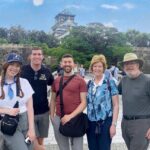
One more value angle: private means your group is the only group on the route. Reviews praised guide patience and the ability to ask questions, including when people wanted time for shopping. That kind of flexibility is hard to get in a fixed group bus tour.
Bottom line: it’s good value if you want a smart overview that lands you in the right places without stress. If you’re comfortable navigating on your own and don’t care about stories, then you might not need a guide.
What the Best Guides on This Route Do Differently
This tour’s reputation isn’t just about where you go. It’s about how the guide runs the day.
Names like Hugo, Kevin, Oisin, and Ferdinand show up in praised experiences tied to this route. Across those examples, the common thread is clear explanations about Osaka’s past and present, plus good navigation through the alleys and side streets that many visitors miss.
People also highlighted flexibility—like adjusting time in Dotonbori or pacing the day based on crowd conditions. That kind of on-the-ground judgment matters because Osaka is not constant. Some areas are calm at certain hours and packed at others.
And don’t ignore the small-but-real detail of photo stops. When guides pause in the right places, your photos look like you planned the trip—even if you didn’t.
Finally, the guide helps you connect the dots. Instead of seeing each stop as a separate postcard, you get context for why that neighborhood looks and behaves the way it does. That’s what turns “I walked around” into “I understand Osaka a bit better.”
Subway Stairs, Comfortable Shoes, and How to Walk Smart
Here’s the practical reality: this is an active half-day. Even with subway help, you’ll be on your feet more than you think—plus there are subway stairs. I’d plan for a normal walking day, not a gentle stroll.
A few planning tips that actually matter:
- Wear comfortable shoes with decent grip. Osaka sidewalks and station entrances can be slick or uneven.
- Bring some cash for subway fares. One clear note from experiences on this route: you might need cash for the subway tickets.
- Don’t plan a demanding activity right after. Your legs will know.
Also, the tour offers pickup within central Osaka for ¥3,000. If your hotel is in the middle of things and you hate the first-transit step, this can reduce friction. But if you’re comfortable with subway navigation, using your own route to the meeting point keeps the day simpler.
Who Should Book This Osaka Castle Walk and Who Should Skip It
You’ll love this tour if you want:
- A guided overview of Osaka in about four hours
- A mix of major sights and neighborhood flavor (castle grounds, Tsuruhashi Ichiba, Shinsekai, Dotonbori)
- A route that starts near Tempozan Ferris Wheel and ends in Namba so you can continue your evening easily
It may not be your best fit if:
- You only care about museums and paid observation decks
- You hate walking and stairs and want a mostly seated format
- You already have a tight plan and just want to self-navigate without a story or a route
If you’re traveling solo, you’re welcome. If you’re with family, the private format can help keep the pace adjustable. If you’re with a group of friends, this private setup makes it easier to ask questions and take photos without juggling a big crowd.
Should You Book It?
If your goal is to see a lot of Osaka without wasting time, this is a strong bet. The route makes smart choices: focus on Osaka-jo where it’s most enjoyable, hit Tsuruhashi for real-market energy, get a high viewpoint without paying for the very top, then end in Dotonbori so your night starts strong.
I’d book it when you have limited days and want a guided structure that ends exactly where you’ll want to roam next.
Skip it if you want museum depth, want food fully included, or you don’t want to deal with stairs and walking.
FAQ
Where does the tour start?
It starts at the Tempozan Ferris Wheel (1-chōme-1-10 Kaigandōri, Minato Ward, Osaka).
Where does the tour end?
It ends in the Namba/Dotonbori area near Namba Station, and the guide can direct you to the station if you like.
How long is the tour?
The tour lasts about 4 hours.
How much does the tour cost?
The price is $80.00 per person.
Is this a private tour?
Yes. It’s private, meaning only your group participates.
Do I choose morning or afternoon?
Yes, you can choose a morning or afternoon departure.
Is hotel pickup available?
Pickup is available for ¥3,000 within central Osaka (otherwise you’ll meet at the start point).
Is food included?
No. Food and drinks are not included.
Is there an admission cost for the stops?
The tour lists admission ticket as free at each stop. For Abeno Harukas, the route is designed to avoid paying to go to the very top.
Are there accessibility or comfort considerations?
Wear comfortable walking shoes and be ready for a walking route with subway stairs. The tour is for people with moderate physical fitness.
How can I handle subway fares during the tour?
Transportation during the tour is approximately ¥800 per person. It’s also suggested to have cash for subway tickets.
If you tell me your travel dates and whether you’re going morning or afternoon, I can suggest the best way to pair this with dinner and a plan for the rest of your Osaka day.