REVIEW · OSAKA
A Tour to Explore the Symbol of Osaka: Osaka Castle
Book on Viator →Operated by OTOMO Travel Guide · Bookable on Viator
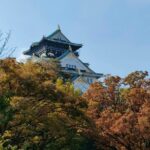
Osaka Castle is the city’s big story. This private, 4-hour walk pairs Osaka Castle with smart context at the start, so you don’t just see walls—you understand why they matter.
What I like most is that you get a guide’s undivided attention while you move through the grounds. I also like the way the route sets you up at Osaka Museum of History first, so the castle tower and exhibits hit harder.
One thing to plan for: it’s a walk-heavy visit and you’ll want to bring cash. Some spots don’t take credit cards, and the only clearly listed paid admission is the museum (¥1,000).
In This Review
- Key things to know before you go
- Why a private Osaka Castle tour beats wandering around
- Price and value: what $83.56 really covers
- Stop 1: Osaka Museum of History (your context hour)
- Stop 2: Ōte-mon Gate and why it’s more than a photo stop
- Stop 3: Hokoku Shrine and Toyotomi Hideyoshi connections
- Stop 4: Miraiza Osaka-Jo for a breather near the tower
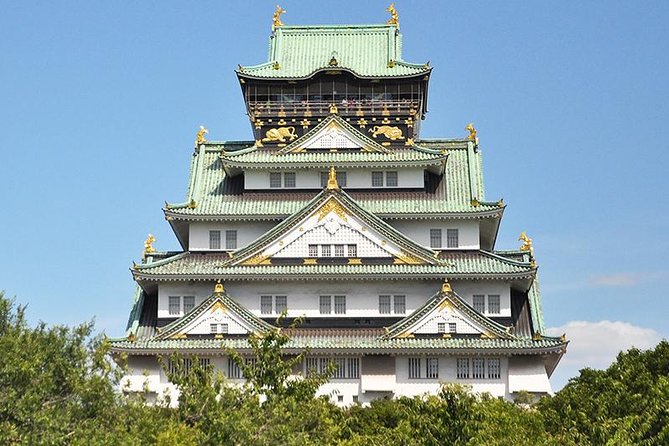
- Stop 5: Osaka Castle—exhibitions, reconstructed rooms, and the views
- Logistics that can make or break the day
- The meeting and ending points
- Walking comfort and weather
- Cash matters
- What kind of traveler this tour suits best
- Should you book this private Osaka Castle tour?
- FAQ
- How long is the Osaka Castle private tour?
- Where does the tour start and where does it end?
- Is this tour private?
- What’s included in the price?
- What admission fees should I expect?
- Do I need to bring cash?
- Is there a mobile ticket?
- What should I wear?
- Can the schedule change due to weather?
- What is the cancellation policy?
Key things to know before you go
- Private guide, private pace: Your group keeps control of questions, pace, and photo stops.
- Fast start at Osaka Museum of History: You get the context before you reach the castle itself.
- Ōte-mon Gate stone drama: A quick stop with big visual payoff and cultural significance.
- Toyotomi Hideyoshi ties at Hokoku Shrine: A short visit that links the shrine to Osaka Castle’s past.
- Miraiza Osaka-Jo by the tower: Convenient shops and restaurant options right in the action.
- Flexible route if weather turns: Bad weather or temporary closures can shift stops.
Why a private Osaka Castle tour beats wandering around
Osaka Castle is famous for a reason. Still, it can feel like a lot of “pretty sights” if you arrive cold. This private format changes the vibe fast. You’re not trying to keep up with a big group, and you’re not stuck waiting for explanations at the exact moment you’re looking at something.
I like that the guide helps you connect details to people and events. Instead of only architecture and photos, you get stories about samurai life and the castle’s place in Japan’s power struggles. And because it’s private, you can ask follow-ups on what you’re seeing right now.
The reviews also point to a real strength: guides who communicate clearly and explain things in a way that sticks. People have specifically praised guides such as Fuji, Ito-san, Kate, Masa, and Michi for clear English and strong storytelling. That matters, because the difference between a good caption and a good experience is usually one well-timed explanation.
You can also read our reviews of more tours and experiences in Osaka.
Price and value: what $83.56 really covers
This tour runs about 4 hours and costs $83.56 per person. The value isn’t just the sights. It’s the fact that you’re paying for a private guide plus the necessary expenses for the guide during the tour.
A few money notes you should keep straight:
- Osaka Museum of History has a listed admission fee of ¥1,000 per person, and it’s not included.
- The plan shows several stops marked as free for admission (Ōte-mon Gate, Hokoku Shrine, Miraiza Osaka-Jo, and the Osaka Castle stop in the schedule).
- There’s also an important general rule: if a place charges anything on the day, it’s on you. The only clearly stated paid admission in the provided details is the museum.
So do the math like a planner, not a gambler: your biggest likely add-on is that ¥1,000 museum ticket. If you know you’ll want the museum’s context (and you probably will), this price starts to feel more like a guided lesson than a simple walk-through.
Also, the tour uses a mobile ticket, which is handy. And since it’s booked on average about 55 days in advance, it’s smart to reserve early if your dates are fixed.
Stop 1: Osaka Museum of History (your context hour)
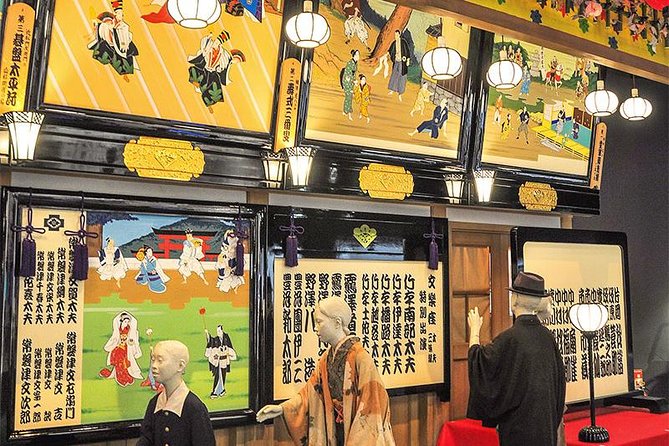
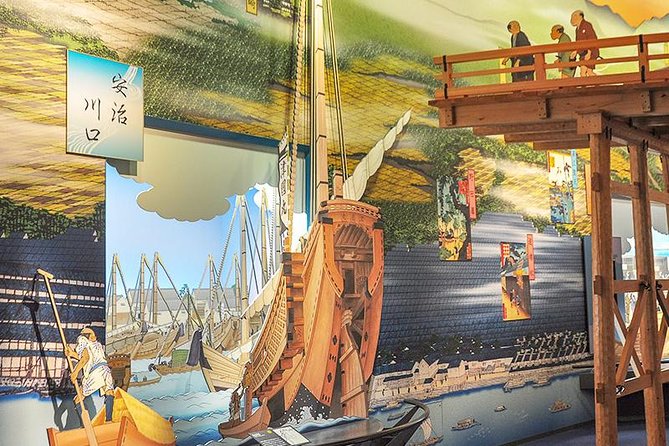
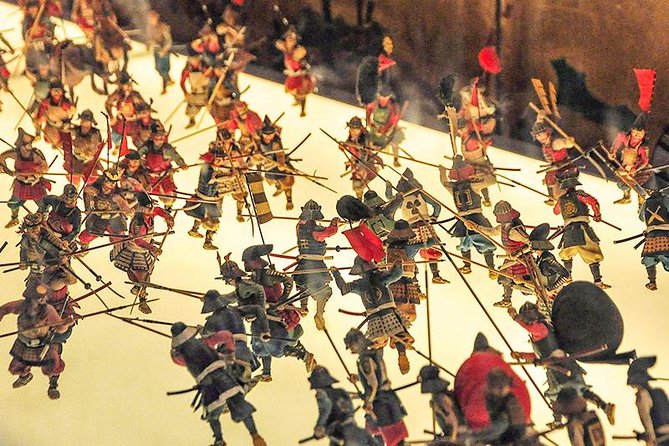
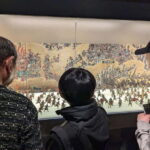
You start at the Osaka Museum of History. This is the move that makes the rest of the day easier to enjoy. The museum is built to give you a sense of how Osaka formed and grew, so when you later stand in front of the castle, it’s not just “wow, big building.” You have a mental map.
One detail worth caring about: the museum has a floor that reproduces the great council hall of Naniwanomiya palace. That kind of setting helps you picture the scale of historical decisions, not just the names.
Time on this stop is about 1 hour, and the museum ticket (¥1,000) is not included. If you’re the type who wants a quick hit of context, you may feel the hour is just right. If you prefer to read everything, you might want to pace yourself so you don’t burn your whole day before the tower.
Practical tip: arrive ready to walk. The tour later emphasizes comfortable clothing because you’ll be moving through multiple spots.
Stop 2: Ōte-mon Gate and why it’s more than a photo stop
The tour hits Ōte-mon Gate, the main gate of Osaka Castle. It’s short—about 10 minutes—but it’s a classic “pause and look closely” moment.
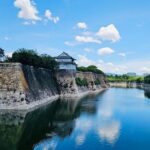
The big draw here is the stonework: gigantic stones that are clearly far larger than human scale. A gate like this isn’t only decorative. It signals power, control, and a very physical idea of defense. Even if you’re not a history nerd, it’s hard not to feel the weight of the place when you’re staring at stones that dwarf you.
This stop is also useful for orienting yourself. You’ll start to see how the castle’s layout and defenses guide your movement, which makes the later views more satisfying.
If you want the best experience from this stop, don’t rush your photos. Spend an extra minute noticing the stone wall texture and how the gate frames the castle area.
Stop 3: Hokoku Shrine and Toyotomi Hideyoshi connections
Next up is Hokoku Shrine, another quick 10-minute stop. The shrine is enshrined to Toyotomi Hideyoshi, one of Japan’s most famous military commanders.
This matters because Osaka Castle is strongly tied to Hideyoshi’s era. A shrine visit is often treated like a side quest. Here, it works as a historical connector: you leave this stop with more understanding of who is being remembered and why that memory is tied to this exact place.
The drawback of a short shrine stop is the same as with any quick cultural stop: you’ll get the main connection, but you won’t have time for deep reading or slow wandering. That’s why the guide helps—those 10 minutes should come with an explanation that makes the shrine feel relevant rather than random.


Stop 4: Miraiza Osaka-Jo for a breather near the tower
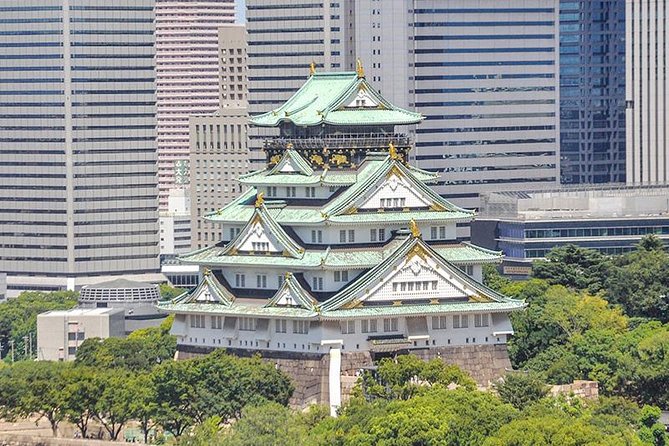
Then the tour moves to Miraiza Osaka-Jo (about 15 minutes). This is a practical and pleasant stop.
It reopened in 2017 and offers restaurants and shops near the castle tower. The building was originally built in 1931 and used as the Osaka City Museum, so it carries its own history while being very modern in function.
Think of this stop as your “reset” moment. Use it for:
- a snack or drink break
- quick shopping if you want something to take home
- a chance to regroup before the main castle visit
It’s also positioned in a way that helps your timing. If your day includes heat or crowds, a short retail/food pause can make the longer Osaka Castle portion feel far easier.
Stop 5: Osaka Castle—exhibitions, reconstructed rooms, and the views
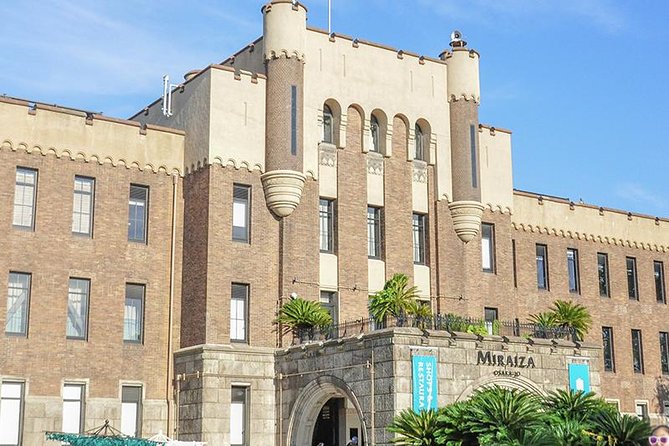
The main attraction is Osaka Castle itself, where you’ll spend about 1 hour 10 minutes.
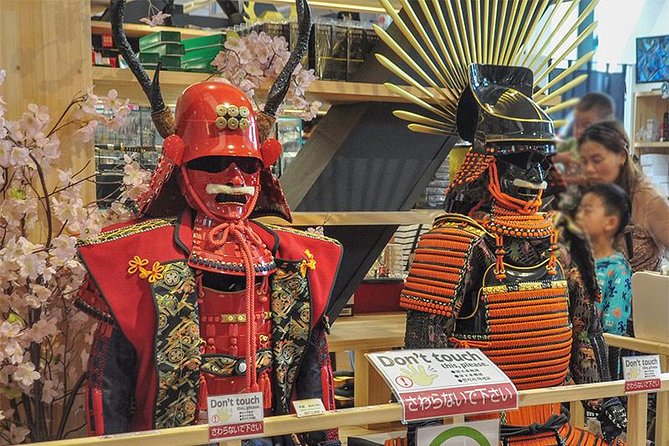
A big reason this stop is worth guiding is that you’re not only looking at a tower. The schedule notes that there’s an exhibition in the reconstructed castle. That’s where context turns into comprehension. You’ll also be able to see a reproduced golden traditional tea ceremony room. That kind of detail helps you understand the castle as more than military architecture—it was also a place of status, ritual, and display.
What about views? Osaka Castle is a visual payoff destination. With a guide, you’re more likely to hear which angles are best and when to aim for them. You’ll also get help identifying must-visit spots within the grounds, which can be confusing if you’re walking on your own.
One realistic planning note: the tour duration is about 4 hours total, and the castle portion is a big chunk. If you’re the kind of person who likes to linger in museums, you might feel a little time pressure here. This is where the private format helps—you can ask for a little extra time at one highlight and a slightly faster look at a lesser one.
Logistics that can make or break the day
Here’s what I’d watch so the experience stays smooth.
The meeting and ending points
The tour starts at the Osaka Museum of History (4-chōme-1-32 Ōtemae, Chuo Ward, Osaka) and ends at Temmabashi Station (1 Chome-2 Tanimachi, Chuo Ward, Osaka). Since it ends in a different location, it’s worth planning your next stop around that station—don’t treat it like you’ll magically be dropped at your exact hotel.
If you want to change where the tour ends, you can ask the guide, but keep expectations realistic. You’re on a set route and schedule.
Walking comfort and weather
The tour requires comfortable clothing because it involves a lot of walking. Bring comfortable shoes you trust.
Also, if weather is bad, the provider may change transportation, destinations, and routes. It’s not unusual for outdoor sites, and flexibility helps you stay in a good mood.
Cash matters
Some places may not accept credit cards. Bring cash even if you’ve traveled in Japan before and rely on cards. It’s a small annoyance that’s easy to avoid.
What kind of traveler this tour suits best
This private Osaka Castle tour is a strong fit if you want:
- One-on-one attention while you tour a top Osaka landmark
- A day plan that includes context first, sights second
- Clear guidance on where to look for views and key spots inside the grounds
It also works well for first-time visitors who want Osaka Castle to feel like more than a selfie mission.
Where it may not fit perfectly: if you dislike walking, or if you’re expecting a “sit-down and be entertained” format, this one may feel a little active. It’s designed for movement across multiple sites.
Language note: some guides are praised for excellent communication (including people named Fuji, Masa, and Michi). Still, if language clarity is crucial for your group, make sure everyone understands that you’ll be relying on the guide for the explanation.
Should you book this private Osaka Castle tour?
I’d book it if you’re looking for a well-paced Osaka Castle visit with explanations that make the place feel alive. The museum start is a smart choice, and the private guide format helps you get answers at the exact moment you’re looking at the stones, gates, shrines, and reconstructed rooms.
I would skip—or at least reconsider—if you only want a casual walk and you’re happy reading signs on your own, or if your group hates walking and tight timing. For most people, the combination of private time plus a context-heavy start is what makes this one worth it.
FAQ
How long is the Osaka Castle private tour?
It’s about 4 hours.
Where does the tour start and where does it end?
It starts at Osaka Museum of History (4-chōme-1-32 Ōtemae, Chuo Ward, Osaka) and ends at Temmabashi Station (1 Chome-2 Tanimachi, Chuo Ward, Osaka).
Is this tour private?
Yes. It’s a private tour/activity, and only your group participates.
What’s included in the price?
The tour includes the private tour, a tour guide, and the necessary expenses for the guide during the tour.
What admission fees should I expect?
Osaka Museum of History has an admission fee of ¥1,000 per person that is not included. The other listed stops are marked as free in the schedule notes provided.
Do I need to bring cash?
Yes. Some spots may not accept credit cards, so it’s smart to bring cash.
Is there a mobile ticket?
Yes. The tour offers a mobile ticket.
What should I wear?
Wear comfortable clothing, since the tour involves a lot of walking.
Can the schedule change due to weather?
Yes. If the weather is bad or there are temporary closures, the means of transportation, destinations, and routes may be changed.
What is the cancellation policy?
You can cancel for free up to 24 hours in advance for a full refund.