REVIEW · OSAKA
Osaka Castle & Dotonbori Lively One-Day Walking Tour
Book on Viator →Operated by KAMNAVI Tours · Bookable on Viator
Osaka in a single, well-paced day. You’ll pair Osaka Castle with markets and nightlife, all run by a guide who keeps the route moving and the meaning clear. It’s a smart way to see famous sights without spending your whole trip on transit math.
What I like most is the small-group size (up to five), which makes it easier to ask questions and keep a calm pace. Second, I really appreciate the mix of stops: you get big-picture storytelling at the museum level, then you’re walking through real neighborhoods like Tenjinbashisuji and Kuromon Market.
One thing to plan for: this is a walk-heavy day. Wear comfortable shoes (not boots if you run hot or hate sore feet), and remember food isn’t included—so have a plan for lunch and snacks along the way.
In This Review
- Key highlights to know before you go
- A 7-hour Osaka hit list: castle views, covered shopping, and Dotonbori signs
- Small-group pacing and hotel pickup: less stress, more walking time
- Osaka Museum of History: start with the 10th-floor castle panorama
- Osaka Castle: moats, stone, and why the guide’s framing matters
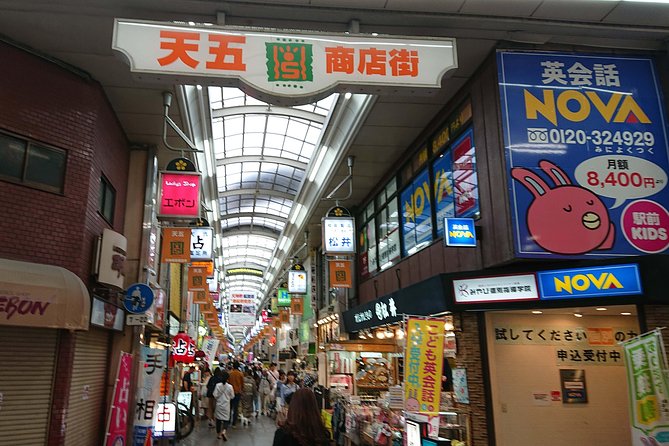
- Tenjinbashisuji Shopping Street: Japan’s longest arcade for local life spotting
- Osaka Museum of Housing and Living: walk through an 180-years-ago neighborhood
- Kuromon Market: snack-smart timing at Osaka’s food center
- Dotonbori: the entertainment zone where Osaka shows off its personality
- Price and value: what you’re really paying for
- What to pack and how to plan your day
- Who this tour suits best (and who should skip it)
- Should you book this Osaka Castle & Dotonbori tour?
- FAQ
- How long is the Osaka Castle & Dotonbori walking tour?
- What is the group size?
- What time does the tour start?
- Where does the tour start?
- Is hotel pickup included?
- What’s included in the price?
- Is food included?
- FAQ
- Is the tour affected by weather?
- Is there free cancellation?
Key highlights to know before you go
- Up to five people means you won’t feel like just another face in a crowd
- Hotel pickup + public transport keeps you from hunting meeting points all morning
- Osaka Museum of History sets the stage with castle views from the 10th floor
- Tenjinbashisuji Shopping Street runs 2.6 km under an arcade—great for seeing locals and avoiding sun or light rain
- Kuromon Market is your fast track into Osaka’s food culture
- Dotonbori finishes the day in the city’s most famous entertainment zone along the canal
A 7-hour Osaka hit list: castle views, covered shopping, and Dotonbori signs
This tour is built for travelers who want variety without feeling rushed. In about seven hours, you’ll move from museum learning to iconic landmarks to street-level food culture, then close at Dotonbori—one of the places in Osaka where the city feels like the city.
The pacing is the real trick. Because the group is small, the guide can slow down for photos, adjust for walking comfort, and answer questions as they come up. And since the route uses public transportation, you’ll still cover a lot of ground without spending your day trapped in a maze of stations.
You’ll start with the kind of context that makes later stops make sense. Then you’ll shift gears to places where you can browse, look, and snack at your own pace within a guided flow.
You can also read our reviews of more tours and experiences in Osaka.
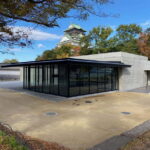
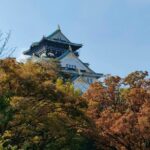
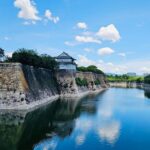
Small-group pacing and hotel pickup: less stress, more walking time
Logistically, this tour is designed to reduce friction. Pickup is hassle-free from your Osaka hotel, so you’re not trying to decode a station entrance while jet-lagged. Once you’re out, the day runs on public transportation, with the guide handling routes and timing.
The small group cap of five is also a quality upgrade. In bigger tours, you often lose the chance to have real conversations. With a tight group, you’re more likely to get practical guidance—how to move, where to look, what to notice, and how to pace yourself. In past groups, guides such as Tomoko, Noriko, and Chuji are described as clear, organized, and good at keeping people comfortable.
Do note the walking part: it’s not a sit-and-watch sightseeing bus day. If you prefer long rides with occasional steps, you may feel like the schedule is a lot. If you like to move at a steady pace, this tour fits Osaka really well.
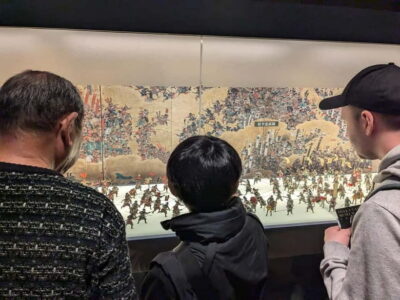
Osaka Museum of History: start with the 10th-floor castle panorama
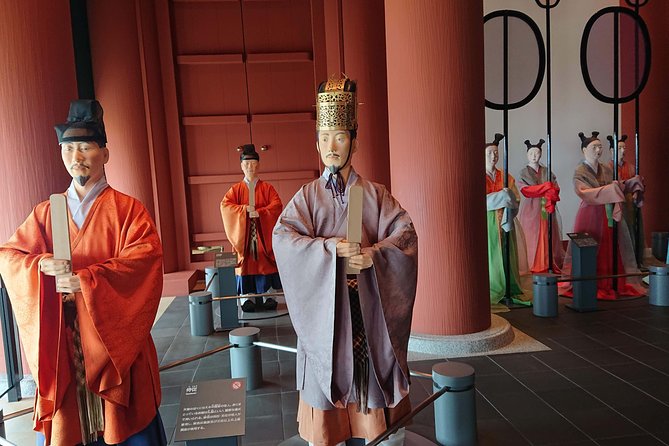
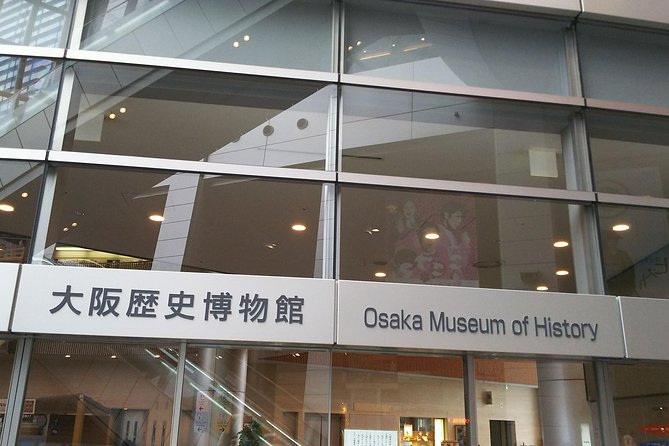
Your morning begins at the Osaka History Museum, located in front of Osaka Castle and built on the site of an ancient palace. That location matters. You’re not just stepping into a museum—you’re walking into the story of the area, with the castle right there as a visual anchor.
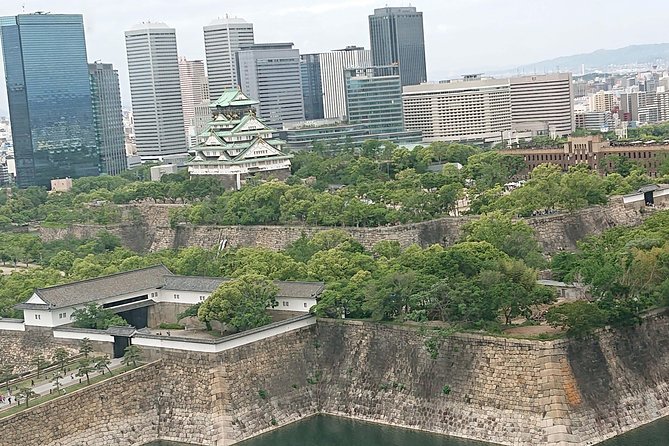
This is also where the tour gives you an immediate payoff: the 10th floor has a great overlook of Osaka Castle. Even if you’re not a museum person, this angle helps you understand the layout and scale before you go up close later. You’ll get history and perspective first, then the castle stop lands with more meaning.
The museum stop runs about an hour and includes admission. The time is long enough to take in key exhibits, but short enough that you won’t feel stuck. The guide’s job is to point you toward what to notice so you don’t wander for 60 minutes feeling lost.
Osaka Castle: moats, stone, and why the guide’s framing matters
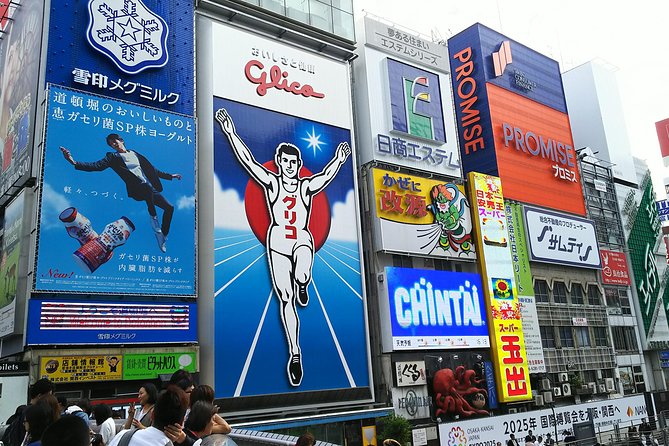
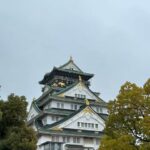
After the museum setup, you head to Osaka Castle, with admission included and about 1 hour 30 minutes on-site. The big facts: it was built in the 17th century by the Tokugawa Shogunate, and it’s known as a strong defensive structure with double moats, tall stone walls, and turrets. It originally served as a home connected to samurai leadership tied to the Toyotomi period.
That’s the headline. The guide’s value is in the middle layer—turning these features into something you can picture. When someone explains why double moats mattered, or what “solid” protection meant in that era, the castle stops feel less like a photo spot and more like architecture with a job.
You’ll also be walking around enough to feel the setting. This is one of those sites where the route matters. With a guide, you avoid the common problem of seeing everything randomly and remembering almost nothing. People in past groups also mentioned guides like Satomi and Leo as strong at answering questions and keeping the experience un-rushed, which helps a lot when you want history without getting overwhelmed.
Practical note: castle grounds can be busy depending on the day, and you’ll likely do stairs and uneven walking. Comfortable shoes are non-negotiable.
Tenjinbashisuji Shopping Street: Japan’s longest arcade for local life spotting
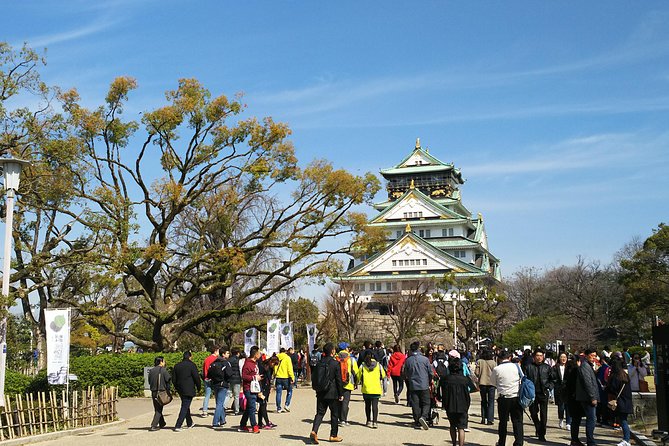
Next up is Tenjinbashisuji Shopping Street, described as Japan’s longest arcade at 2.6 km with around 600 shops. It’s a classic Osaka stop for a reason: it’s not a staged attraction. It’s built for everyday visitors.
The arcade format makes the experience easier. You can walk under a covered street, which helps when the weather is hot, sunny, or even a bit rainy. You’ll spend about an hour here, with the admission-free browsing time giving you room to slow down.
What I like about this kind of stop is that it changes the tone. The castle and museums are about big structures and eras. Tenjinbashisuji is about people in motion—neighbors shopping, errands happening, and small storefronts doing business.
If you’re hoping for an easy win on culture, this is it. Just walk, look, and let your guide explain what you’re seeing.


Osaka Museum of Housing and Living: walk through an 180-years-ago neighborhood
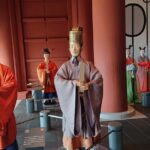
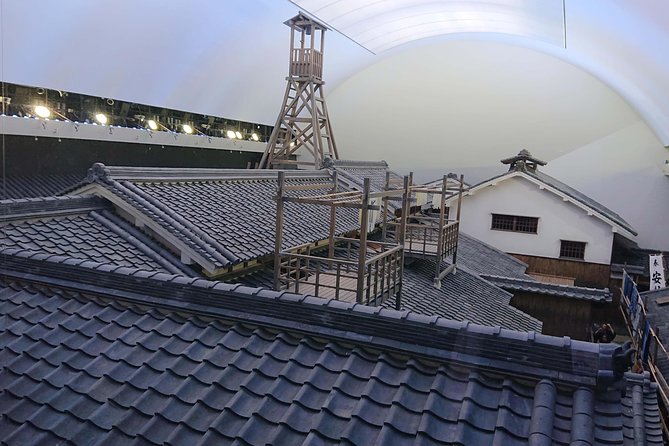
Then you switch from major landmarks to everyday life. The Osaka Museum of Housing and Living recreates a townscape from about 180 years ago at full size, and you can actually walk through it. Admission is included, and the visit runs around 40 minutes.
This stop is one of the most “hands-on” parts of the tour. You’ll see the structures of houses, the products that were sold at that time, and what daily life looked like in the past. It’s not just about reading labels. The point is to experience the environment as space, not just a diagram.
For many travelers, this is the mental bridge between the old castle world and the modern Osaka you see later. It turns history from a timeline into something physical.
One possible downside: 40 minutes can feel short if you like to read everything carefully. Still, with a guide, you’ll get the key context so you’re not left guessing what matters most inside the exhibits.
Kuromon Market: snack-smart timing at Osaka’s food center
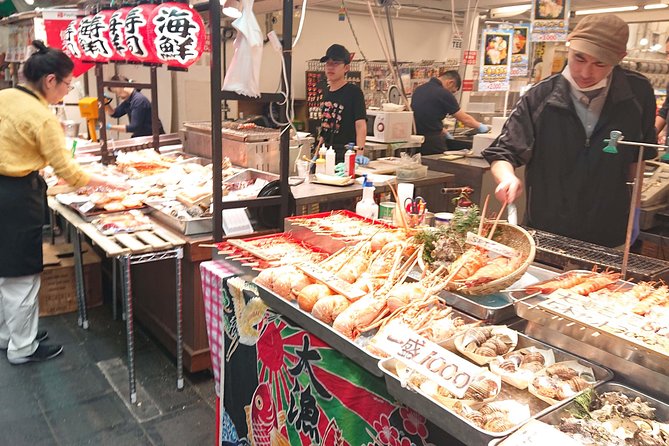
Kuromon Market is your food-culture moment, and it’s included without an admission fee. You’ll have about 30 minutes here, which is intentionally short: it’s enough time to sample the atmosphere and pick a few bites, not enough time to turn the market into a half-day mission.
Osaka’s reputation for food comes from people who love delicious things, and this market is a good example of why the city is often called Japan’s Food Capital. Expect to see lots of stalls and stalls selling Osaka-style treats, especially seafood and street snacks (and yes, it’s the kind of place where your nose will do some of the deciding).
Because food and drink aren’t included on this tour, you’ll want to carry some spending cash or a card you can use easily. If you’re picky, also pay attention to what your guide recommends—guides often know what’s popular and what’s worth the wait.
If you love markets but hate long lines, this tour’s timing is a plus. You get a taste without getting stuck.
Dotonbori: the entertainment zone where Osaka shows off its personality
You finish at the Dotonbori District, and it’s a great closer. Dotonbori is now one of Osaka’s most popular tourist attractions, but it started as a local entertainment area with a row of theaters along the canal. Today, you’ll see restaurants and the colorful signboards that make the area famous.
You’ll spend about 30 minutes there. That’s enough time to absorb the energy and take photos, but not enough time for the day to drag. It works well as a final act because it contrasts with the quieter pace of museums and historical buildings.
In past groups, guides like Toshi and Mizuho stood out for keeping a nice tempo—no frantic schedule, just efficient movement. That matters at Dotonbori, because once you enter the area, it’s easy to get distracted. A good guide helps you look at the big picture first, then gives you freedom to enjoy what you want.
Even if you’re not a nightlife person, Dotonbori is fun in the daytime. It’s still colorful and human-scale, and it’s a natural place to decide how you want to continue your evening on your own.
Price and value: what you’re really paying for
At $141.23 per person for a roughly 7-hour small-group walk, you’re not only paying for a guide. You’re also paying for admissions and transportation that would otherwise eat up your time—and often your brain power.
Included:
- professional guide fare
- public transportation fare
- admission fees
Not included:
- food and drink
For value, that mix is the key. If you tried to do this route on your own, you’d likely spend time figuring out transit between museum zones, buying tickets one by one, and building a sensible order that avoids backtracking. Here, you get a structure: museum context first, then the castle, then shopping and markets, and finally Dotonbori.
The other value lever is the small group. With up to five guests, your guide can spend more time on your questions, and your route can flex a little. Reviews also point to guides who adjust pace for the group and help with practical needs—like finding a lunch option that feels reasonably priced, or simply making sure nobody falls behind.
Is it cheap? No. But it’s priced like a day of guided, ticketed sightseeing with transit handled for you, and that’s the kind of convenience that adds up fast in Osaka.
What to pack and how to plan your day
Since food isn’t included, plan for snacks and lunch. Kuromon Market can be your quick bite stop, but you’ll still want money set aside so you’re not stuck deciding on the fly with tired feet.
Also plan your footwear. Multiple people emphasized comfort over style here. If you’re the type who normally wears boots, consider whether you’ll regret them after a long walk day. Comfortable walking shoes will help you enjoy every stop instead of counting minutes until rest.
Weather matters too. The tour is said to require good weather. If conditions are poor, you’ll be offered a different date or a full refund. The bright side is that you spend time under the covered arcade at Tenjinbashisuji, so even less-than-perfect weather doesn’t automatically ruin the experience.
If you want photos, bring what you normally use. If you want calm enjoyment, give yourself permission to not buy anything at the shopping street. Browsing is the point.
Who this tour suits best (and who should skip it)
This is a strong fit if you:
- want a guided route that covers Osaka Castle, Tenjinbashisuji, Kuromon Market, and Dotonbori
- like history explained in plain language, not just a list of facts
- prefer small groups (up to five) and a pace that doesn’t feel like a race
- don’t want to puzzle out transport and admissions all day
You might want to think twice if you:
- hate walking and prefer mostly seated sightseeing
- are hoping for a vehicle-led tour with minimal steps
- want the tour to include meals (it doesn’t)
Should you book this Osaka Castle & Dotonbori tour?
Yes, I think it’s worth booking if your goal is one well-organized day that shows Osaka at different “levels.” You get castle and museum context, then you go to real streets and real food culture, and you end in Dotonbori where the city looks like itself.
This tour also shines for people who like guides who stay organized and responsive. Past groups praised guides such as Tomoko, Noriko, and Chuji for being clear and efficient, and also pointed out how guides like Taka Sakai and Saori adjust pace when the group needs it.
If you’re ready for a solid walking day and you plan for food costs separately, this is a smart use of time in Osaka. Book it, show up with comfortable shoes, and let the day give you the story and the street life in one go.
FAQ
How long is the Osaka Castle & Dotonbori walking tour?
It runs for about 7 hours.
What is the group size?
The tour is a small-group experience with a maximum of 5 travelers.
What time does the tour start?
The start time is 9:00 am.
Where does the tour start?
It starts at Osaka Station 3-chōme-1-1, Umeda, Kita Ward, Osaka.
Is hotel pickup included?
Yes, the tour includes hassle-free pickup from your Osaka hotel.
What’s included in the price?
The price includes the professional guide fare, public transportation fare, and admission fees.
Is food included?
No. Food and drink are not included, so you’ll need to budget for meals and snacks during the day.
FAQ
Is the tour affected by weather?
Yes. The tour requires good weather. If it’s canceled due to poor weather, you’ll be offered a different date or a full refund.
Is there free cancellation?
Yes. You can cancel up to 24 hours in advance for a full refund.