REVIEW · OSAKA
Osaka: Osaka Castle 3 hours Historical Walking Tour
Book on GetYourGuide →Operated by TripGuru Japan · Bookable on GetYourGuide
A castle that feels alive, in a single walk. You get the sights and the stories at Osaka Castle—plus gardens, city views, and two history-heavy stops nearby.
I love the way this tour balances classic photo moments with real context, especially inside the Osaka Castle Museum. I also like that you finish at Hokoku Shrine, so the day doesn’t just end with a viewpoint—it ends with atmosphere and meaning.
One thing to plan for: if you’re the type who wants nonstop history-talk on every single walking step, you may find the narration time is lighter en route than it is once you’re inside the museum.
In This Review
- Key highlights before you go
- Meeting at JR Osaka-jo Koen Exit 2 and getting your pace right
- Osaka Castle Museum: where the real story work gets done
- Observation deck views: what you’ll actually remember
- Nishinomaru Garden: quiet walking with photo-friendly angles
- Osaka Castle Park: local life around a historic centerpiece
- Miraiza Osaka: Imperial Army HQ history in a modern wrapper
- Hokoku Shrine: the emotional wrap-up after the big sites
- Price and value: is $30 worth it for a 3-hour walk?
- What this tour is best for (and who should look elsewhere)
- Final verdict: should you book this Osaka Castle walking tour?
- FAQ
- Where do I meet the guide for the tour?
- How long is the Osaka Castle walking tour?
- Is the Osaka Castle Museum entrance fee included in the price?
- What should I bring with me?
- Can I take photos, and are drones allowed?
- Is the tour suitable for people with mobility issues or health concerns?
Key highlights before you go
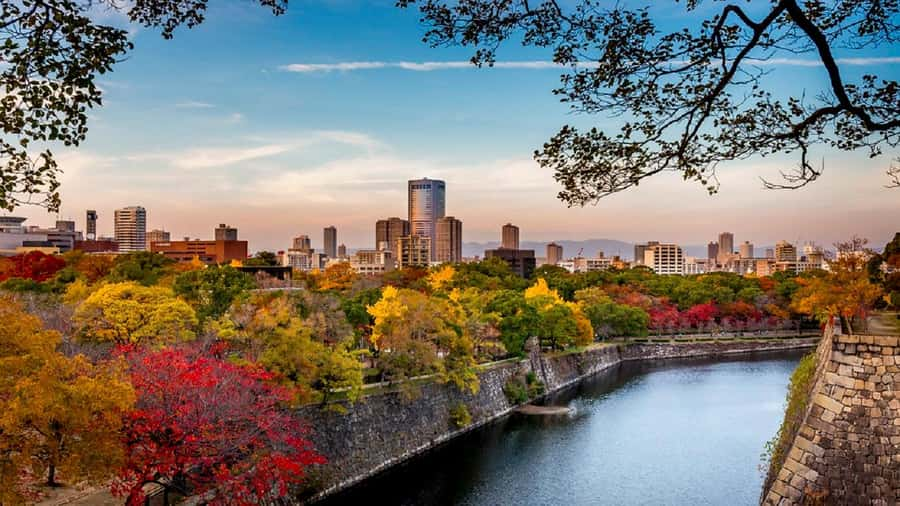
- Exit 2 start, easy meeting: Your guide meets you at JR Osaka-jo Koen Station exit 2 with a TripGuru sign.
- Museum-first history: You spend time in the Osaka Castle Museum, where the bigger story lands.
- Panoramic observation deck: Expect wide city skyline views from inside the castle.
- Nishinomaru Garden calm: A peaceful garden walk with strong photo angles toward the castle.
- Miraiza Osaka stop: You visit Miraiza Osaka, tied to the former Japanese Imperial Army HQ (4th Division).
- Hokoku Shrine finish: You wrap up at a Shinto shrine dedicated to Toyotomi Hideyoshi and family.
Meeting at JR Osaka-jo Koen Exit 2 and getting your pace right
The tour begins at JR Osaka-jo Koen Station, exit 2. Your guide is there holding a TripGuru sign, so you’re not stuck playing meet-and-greet roulette. This is the kind of start that matters in Osaka: you can get moving fast instead of spending your first hour orienting yourself.
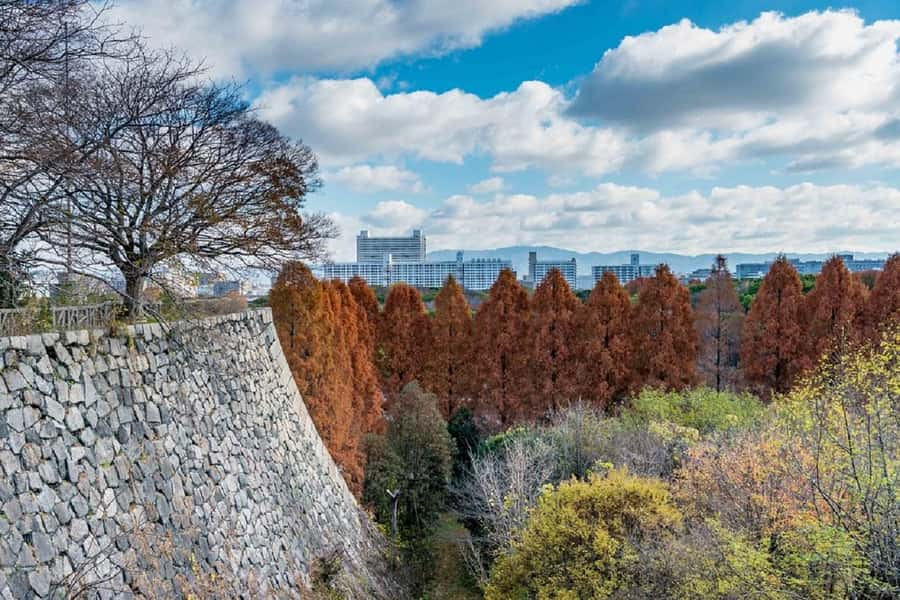
The group walks through castle grounds and surrounding areas, so your schedule depends on comfortable shoes and steady steps. The route is built for sightseeing, not speed. That’s a good thing. A three-hour walking tour works best when you let the guide set a calm pace and you stop when something looks worth a photo.
Also, bring cash. Entrance fees are not included, and you’ll want money ready for the Osaka Castle Museum and any other paid stops you decide to enter.
You can also read our reviews of more tours and experiences in Osaka.
Osaka Castle Museum: where the real story work gets done
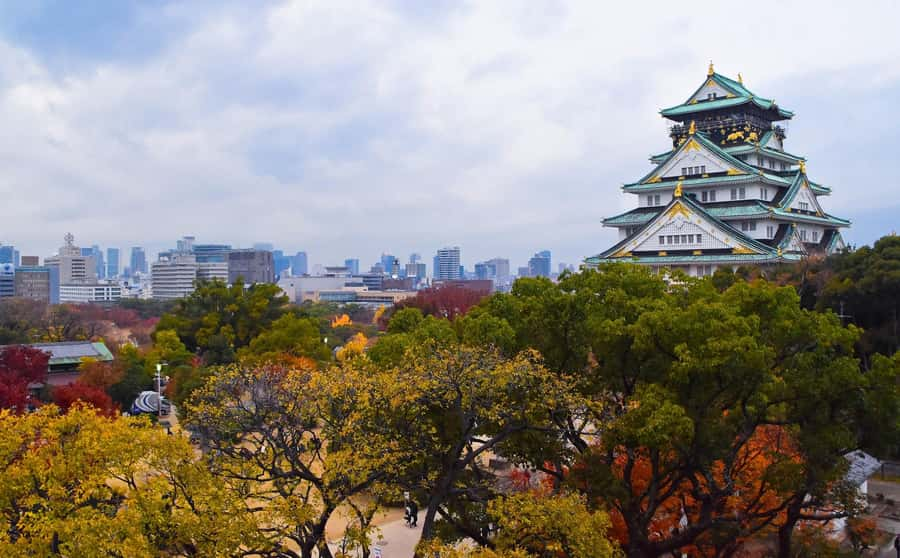
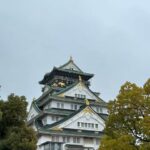
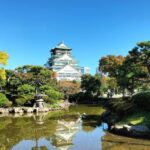
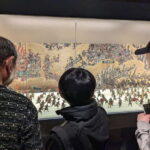
Inside Osaka Castle, the Osaka Castle Museum is the anchor. This is where the tour’s history-heavy part shows up, covering samurai-era themes and the ambitions of Toyotomi Hideyoshi. If you came to Osaka Castle mostly for the look of it, the museum turns that look into a timeline—why the castle mattered, and how its role shaped the city around it.
I like this approach because it avoids the common problem of “we saw it, but we didn’t understand it.” Museum time gives you a framework you can then connect to what you see outside—especially when the guide talks about strategic importance and how the castle influenced modern Osaka.
One practical note: museum entry is paid separately. The Osaka Castle Museum fee is 600 yen for adults until 31 March 2025, and 1,200 yen from 1 April 2025. Kids 15 and under are free. Plan extra cash so the tour doesn’t get interrupted at ticket time.
Observation deck views: what you’ll actually remember
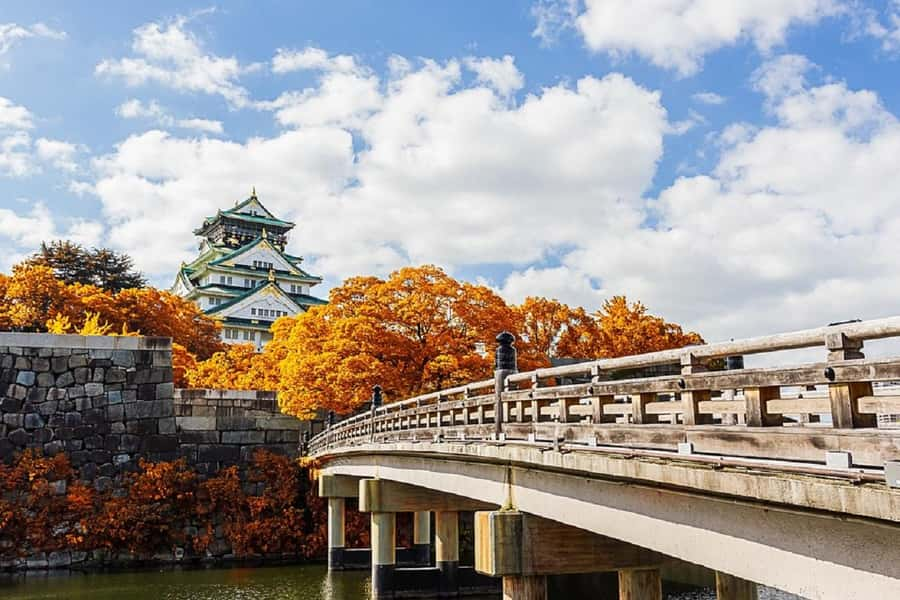
After the museum, you head up to the castle observation deck for panoramic city views. This isn’t just a quick “look and move on” stop. The idea is to give you enough time to take in Osaka’s scale—how far the city stretches from the castle grounds.
Why this matters: Osaka Castle sits in a landscape that mixes historic structure and modern city life. When you can see the skyline from the right angle, it clicks that the castle isn’t an isolated monument. It’s part of a living urban story.
Photo tip: go slowly with your framing. Your first photo is usually a wide shot, but the best photos often come after you reposition—especially if you want the castle layered against the skyline.
Nishinomaru Garden: quiet walking with photo-friendly angles
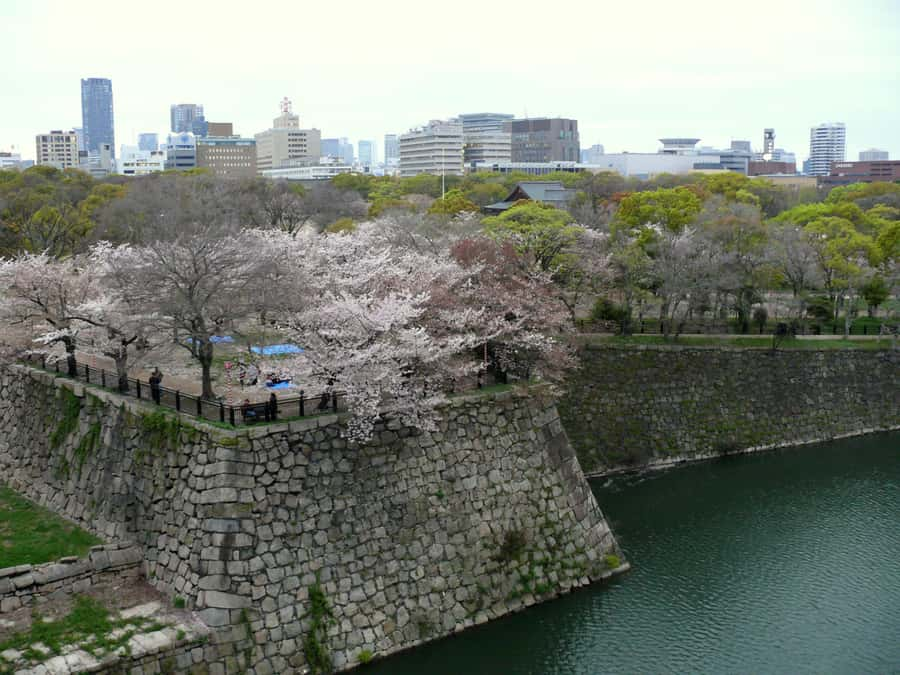
Next comes Nishinomaru Garden, described as a serene setting that also served as a samurai residence area. This stop feels like a reset button. After time in buildings and viewing points, you get space to breathe and slow down.
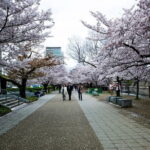
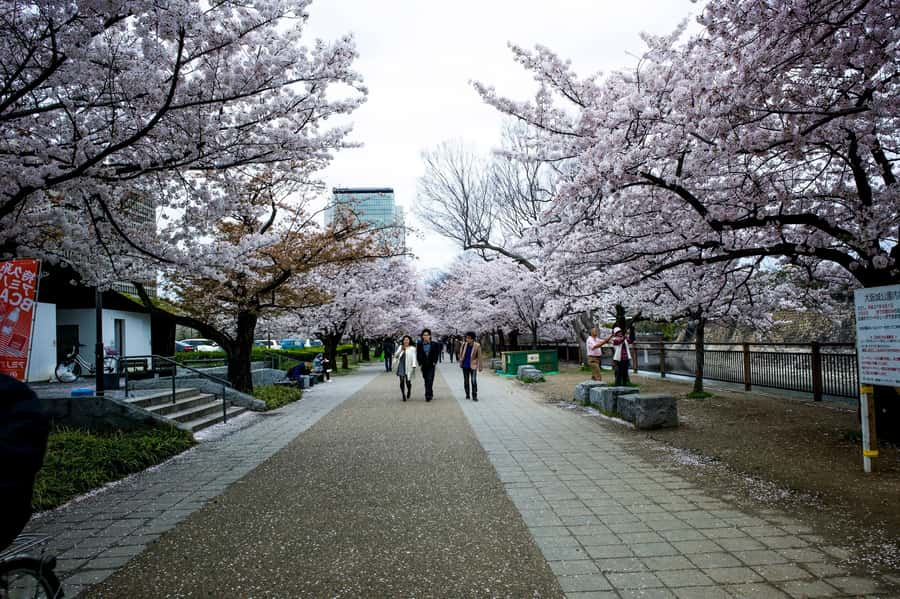
The garden is also a strong seasonal photography spot, with seasonal cherry blossoms mentioned as a highlight. Even if you’re not visiting during peak bloom, it’s still the type of place where the scenery gives you a calm pause and a “this is why people linger here” feeling.
What I like: the garden walk naturally sets you up for views back toward Osaka Castle. That means you’re not just walking through greenery—you’re building a visual connection between the castle and the quieter spaces around it.
Osaka Castle Park: local life around a historic centerpiece
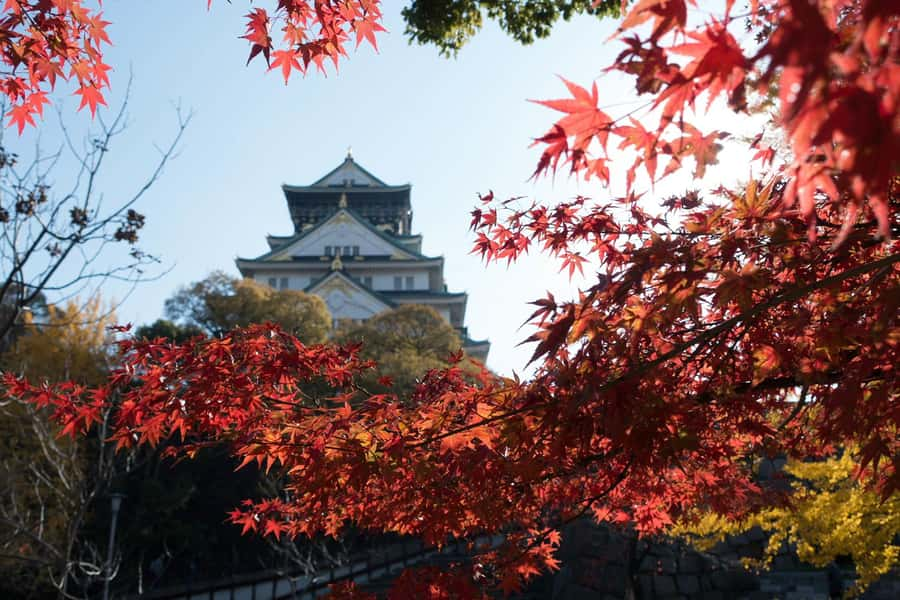
From the garden, you continue through Osaka Castle Park. This is where the tour becomes more than history. You see the castle’s grounds from the perspective of everyday Osaka. You might spot locals jogging, practicing martial arts, or just enjoying the area.
This is a good stop for two reasons. First, it breaks up the heavier stops (museum, shrine, nearby historic site). Second, it shows you how the castle stays relevant day-to-day, not just as a tourist landmark.
If you’re trying to avoid the “all my photos look the same” problem, this is also where you can pick up more varied shots—people, pathways, and atmosphere—rather than only the castle façade.

Miraiza Osaka: Imperial Army HQ history in a modern wrapper
One of the tour’s most interesting pivots is Miraiza Osaka. This site connects to the former Japanese Imperial Army’s 4th Division headquarters, and it’s also described as a former Osaka Museum.
This stop adds weight to the idea that castles and military power aren’t just old stories. They connect to later eras too. The tour frames this area as part of Osaka’s shift through time, which helps you understand why the city’s historic sites feel layered rather than separate.
Practical angle: since this tour is time-limited to about three hours, it’s worth focusing on the bigger themes you can connect to what you saw in the museum. Don’t feel pressured to read every single label at maximum speed—use the guide to pick the threads that connect the story.
Hokoku Shrine: the emotional wrap-up after the big sites
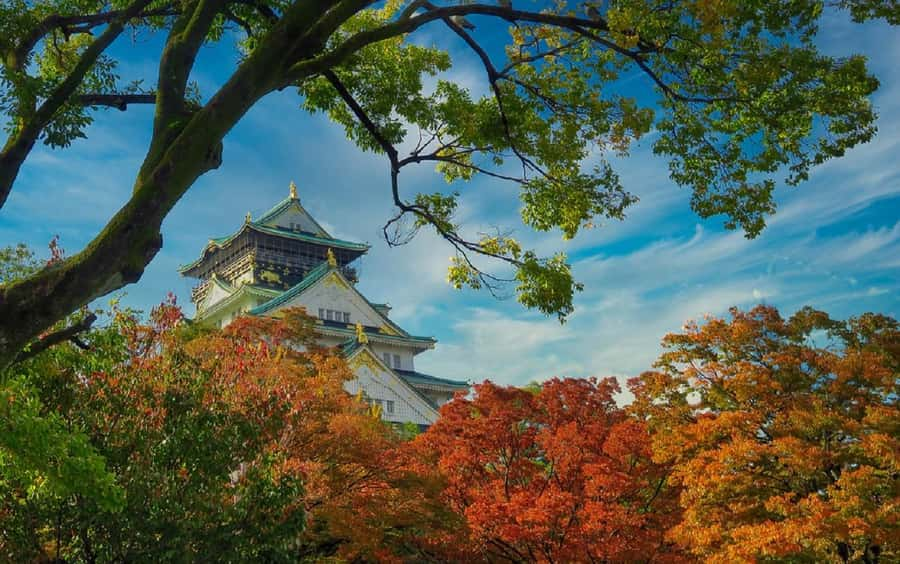
The tour ends at Hokoku Shrine, dedicated to Toyotomi Hideyoshi and his family. Finishing at a shrine works because it changes the tone. Instead of being stuck in “spectacle mode,” you get a quieter, more reflective stop—exactly the kind of atmosphere that makes the earlier history feel real.
You also get one last chance to connect names and legacy to place. Toyotomi Hideyoshi isn’t just a name you heard in the museum. By the time you’re at Hokoku Shrine, it feels anchored in the landscape.
Even if shrines aren’t your main interest, this finish is still useful. It gives your tour a proper end point and helps you transition into exploring on your own.
Price and value: is $30 worth it for a 3-hour walk?
The price is $30 per person for a 3-hour historical walking tour with an English-speaking guide. That’s a fair figure when you consider you’re paying primarily for guided time and navigation through multiple important spots—not just for one single attraction.
Here’s the real value equation:
- You get a guide who manages the flow between major stops.
- You get museum time (but remember, the museum entry fee is extra).
- You get multiple themed environments: castle museum, observation deck views, Nishinomaru Garden, Miraiza Osaka, and Hokoku Shrine.
The one cost to factor in is the Osaka Castle Museum admission fee. Depending on your travel dates, that’s either 600 yen (until 31 March 2025) or 1,200 yen (from 1 April 2025) for adults. Kids 15 and under are free. Entrance fees being separate doesn’t kill the value—it just means you should budget and carry cash so you’re not scrambling.
So who gets the best deal? If you want help interpreting what you’re seeing and you like an organized route through major sights, $30 is a reasonable spend. If you’re the type who prefers to roam entirely on your own without guided context, you might find you’re paying for structure you would otherwise skip.
What this tour is best for (and who should look elsewhere)
This tour is a strong match for:
- First-time Osaka visitors who want to understand why Osaka Castle mattered.
- Travelers who like a mix of museum context plus outdoor viewpoints and garden scenery.
- People who enjoy photo stops but also want meaning behind the photos.
- Anyone who wants a smooth, guided route without planning every turn.
It’s also a good fit if you appreciate practical local input. In particular, the guide experience often includes Osaka recommendations for what to do and eat, and the tour is structured so you end at a place that’s easy to continue exploring.
Who should consider skipping? The provided information says it’s not suitable for pregnant women, or for people with mobility impairments, heart problems, or respiratory issues. This is a walking tour with multiple stops, so the best choice is to match it to your comfort level.
Final verdict: should you book this Osaka Castle walking tour?
I’d book this tour if you want Osaka Castle to feel more than just a landmark. The museum stop and the themed flow between castle, garden, Miraiza Osaka, and Hokoku Shrine make it easy to build a clear picture of how Toyotomi Hideyoshi and military power shaped Osaka across eras.
Skip it only if you’re looking for long, continuous historical narration during every walking segment. In that case, you may want to pair this with extra time in the museum area on your own after the tour so you can slow down where you want more detail.
If you’re traveling with a good pair of shoes, you have cash for entrance fees, and you like guided structure with strong photo points, this one is a solid use of a half-day.
FAQ
Where do I meet the guide for the tour?
You meet your guide at JR Osaka-jo Koen Station, exit 2. The guide will be holding a TripGuru sign.
How long is the Osaka Castle walking tour?
The tour runs for about 3 hours.
Is the Osaka Castle Museum entrance fee included in the price?
No. Entrance fees are not included. The Osaka Castle Museum costs 600 yen for adults until 31 March 2025, and 1,200 yen from 1 April 2025 (15 and under are free).
What should I bring with me?
Bring comfortable shoes for walking and cash for any entrance fees.
Can I take photos, and are drones allowed?
Photography is allowed, but drones are not permitted.
Is the tour suitable for people with mobility issues or health concerns?
The tour is not suitable for people with mobility impairments, and it’s also listed as not suitable for pregnant women, people with heart problems, or people with respiratory issues.