REVIEW · SEOUL
Best Walking Tour to Gyeongbok Palace Bukchon Hanok Village
Book on Viator →Operated by Korealinx Corporation · Bookable on Viator
Some cities feel like snapshots. Seoul turns into a story.
This tour strings together Gyeongbokgung Palace and Bukchon Hanok Village in a short, do-able 3 hours, so you’re not just taking photos—you’re learning what you’re looking at. I like that the walk is paced for sightseeing without feeling rushed, and that the guide work aims at first-timers who need quick context.
The two things I truly like: first, all entrance fees are handled, so you can focus on the sites. Second, the Royal guard changing ceremony and palace architecture get explained in a way that makes the Joseon Dynasty feel relevant to modern Seoul—especially when guides like Jay Kim or Stella are at the helm.
One consideration: this is still a walking tour. You’ll deal with steps and uphill stretches in Bukchon, and it’s not the best match if you have walking difficulty. Also, it needs good weather, so plan for the possibility of date changes.
In This Review
- Key Highlights You’ll Notice Right Away
- Start-to-Finish Route: How This Walk Gets You Oriented in Seoul
- King Sejong Statue and the Palaces’ Bigger Picture
- Gyeongbokgung Palace in One Hour: Ceremony, Architecture, and What to Look For
- A realistic downside
- National Folk Museum of Korea: Why the Artifacts Matter Here
- Walking Toward Bukchon: Linking Spaces, Not Just Stops
- Bukchon Hanok Village in 30 Minutes: Peeking Inside and Reading the Hill
- The drawback to plan around
- Price and Value: What You’re Paying For at $88
- Guide Impact: Why Names Like Stella, Jay Kim, Joe, Jack, and Paul Keep Appearing
- Timing, Weather, and Comfort: The Practical Stuff That Saves Your Legs
- Should You Book This Gyeongbokgung–Bukchon Walking Tour?
- FAQ
- How long is the Gyeongbok Palace and Bukchon Hanok Village walking tour?
- What does the tour cost?
- Are entrance fees included?
- What’s included besides the guide and admission?
- What is the maximum group size?
- Where do you meet and where does the tour end?
- Is the tour suitable for people with walking difficulties?
- Does the tour include the Royal guard changing ceremony?
- Can I get a refund if I cancel?
Key Highlights You’ll Notice Right Away
- Small group size (max 8) makes it easier to ask questions and actually hear the guide
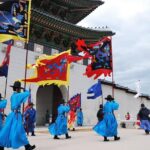
- Royal guard changing ceremony at Gyeongbokgung adds instant atmosphere
- Entrance fees included means fewer ticket headaches and more time on your feet
- Bukchon Hanok Village for 30 minutes gives you a real sense of the neighborhood layout
- National Folk Museum of Korea brings Korea’s past into sharper focus with artifact depth
- Tour ends in Insadong, handy for continuing your day on foot
Start-to-Finish Route: How This Walk Gets You Oriented in Seoul
This tour is built for a simple goal: help you get your bearings fast. You start near Taepyeongno (right by Gwanghwamun area), then move through the big symbolic layer of Seoul: palaces, then the north-side traditional streets.
Because the group is capped at 8, the guide can keep things moving while still making the explanations land. That matters here. Gyeongbokgung is huge and visually busy, and Bukchon can feel like a maze if you wander solo. Having someone connect the dots saves you from the common first-day mistake: walking past the most important details because you don’t yet know what to look for.
The tour also has a built-in transition from “royal Seoul” to “everyday Seoul.” You go from the palace setting—rituals, architecture, and court history—to Bukchon’s lived-in feel, where you can peek into traditional houses and see how people adapted their homes to the neighborhood’s hills and narrow lanes.
You can also read our reviews of more tours and experiences in Seoul.


King Sejong Statue and the Palaces’ Bigger Picture
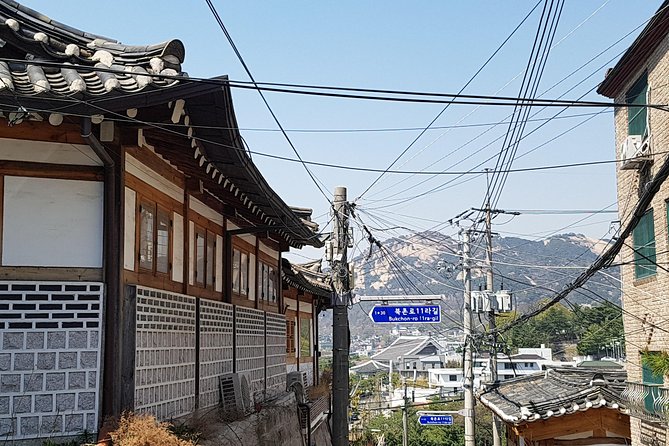
You begin with a stop designed to frame what comes next: the King Sejong Statue. This isn’t just a landmark for checking off a name. It sets up why the Joseon period matters to Korea’s identity and why the palaces weren’t built as isolated monuments. Even in a short walk, this framing helps you connect streets and buildings to a timeline, not just sightseeing.
From there, the route naturally leads you toward the palace complex area, where the guide ties together political history and physical layout. You’re basically learning how to read Seoul’s “map layers”: who held power, how ceremonies worked, and how the capital was organized around these spaces.
If you’re the type who gets frustrated by tours that only show you where to stand for a photo, you’ll likely appreciate this structure. It gives your brain a backbone so the rest of the sights make more sense.
Gyeongbokgung Palace in One Hour: Ceremony, Architecture, and What to Look For
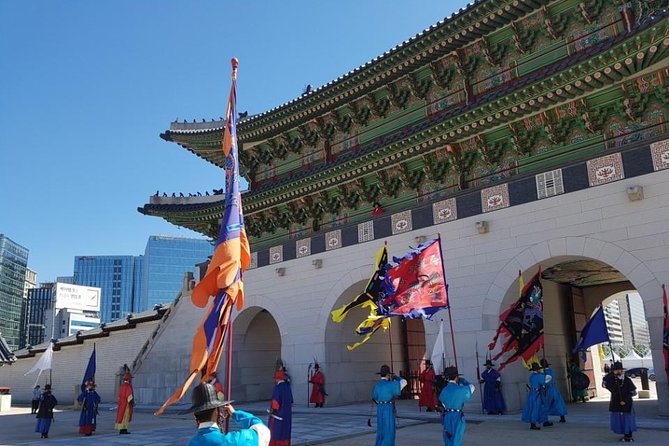
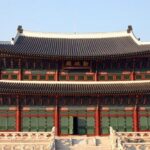
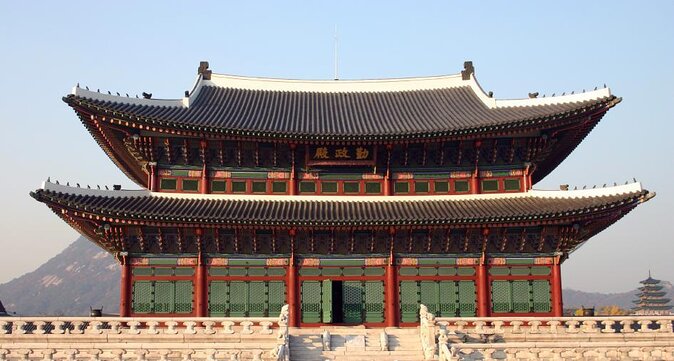
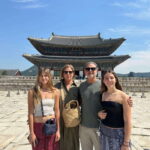
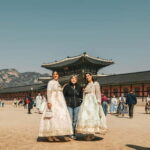
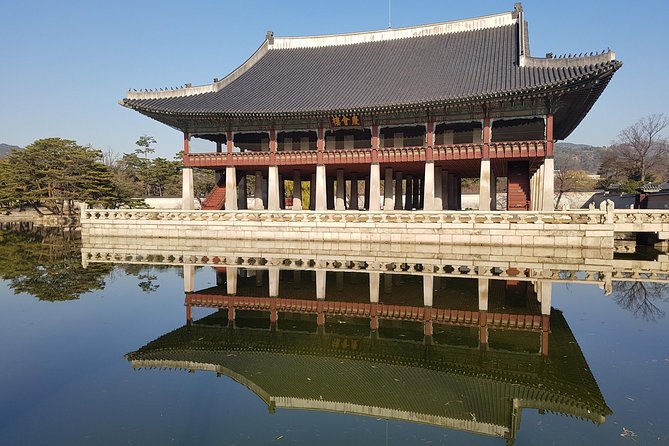
Your main stop is Gyeongbokgung Palace, timed at about an hour with admission included. This is the centerpiece for a reason: the palace is one of the best places in Seoul to understand how Joseon-era power expressed itself through buildings, symmetry, and ritual spaces.
A major moment is the royal guard changing ceremony. It’s short, visual, and instantly memorable. But the real value is that you don’t just watch it as a show. The guide explains what’s happening and why it matters, so you can interpret the ceremony as part of the palace’s function, not just background entertainment.
Here’s what you should actively watch for during the walk inside the palace grounds:
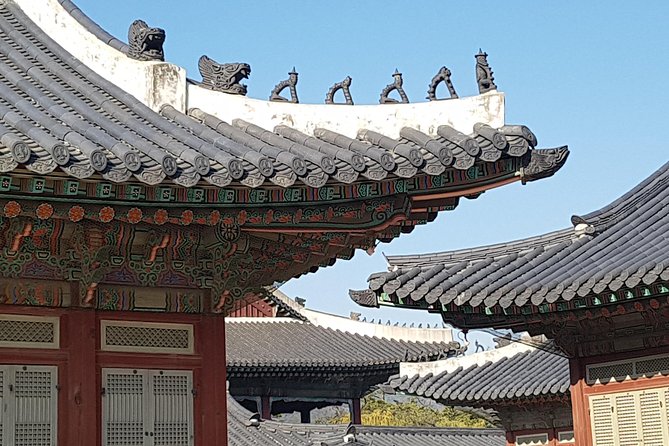
- Construction techniques and design choices: the guide points out how traditional methods shaped the structures you see
- The way the palace layout signals hierarchy: you’ll learn what certain spaces represented in daily court life
- Details that make the place feel lived-in, not just ornamental
One hour can sound tight, but with a guided flow it works. You’re not meant to “do everything.” You’re meant to get the key highlights plus an explanation that makes those highlights meaningful.
A realistic downside
If your priority is slow, deep wandering with lots of time to linger in every building, you may want to come back later on your own. This tour is structured for learning and movement. It’s not a marathon palace crawl.
National Folk Museum of Korea: Why the Artifacts Matter Here
The tour also includes a visit to the National Folk Museum of Korea, highlighting Korea’s past through 98,000+ artifacts. Even if you’re not normally a museum person, this stop helps you connect two worlds: the palace as a stage of power and the broader culture as lived experience.
This is where the tour does a smart job of balancing “big history” with “ordinary life.” When the guide ties everyday routines and cultural practices back to what you’re seeing in the palace and Bukchon, you stop thinking of these places as isolated postcards.
It also helps you understand why Joseon history doesn’t feel distant. The museum gives the context that makes the architectural choices and domestic spaces in Bukchon easier to interpret. Without it, Bukchon can look like pretty old houses. With it, it starts to feel like a neighborhood designed around real life.

Walking Toward Bukchon: Linking Spaces, Not Just Stops
Between the palace area and Bukchon, you’re moving through the city’s “in-between”—and that’s where this tour quietly shines. The guide uses the walk to connect ideas across locations. That can sound abstract, but it’s practical.
You get to see how quickly Seoul shifts from grand ceremonial space to narrow residential streets. You also learn why the north-side neighborhoods became associated with specific lifestyles during earlier periods, and what changes you see today reflect.
There’s a simple test you can use while walking: if you can explain to yourself what a palace space was for, and then explain how a hanok neighborhood supports daily life, the tour did its job.
Bukchon Hanok Village in 30 Minutes: Peeking Inside and Reading the Hill
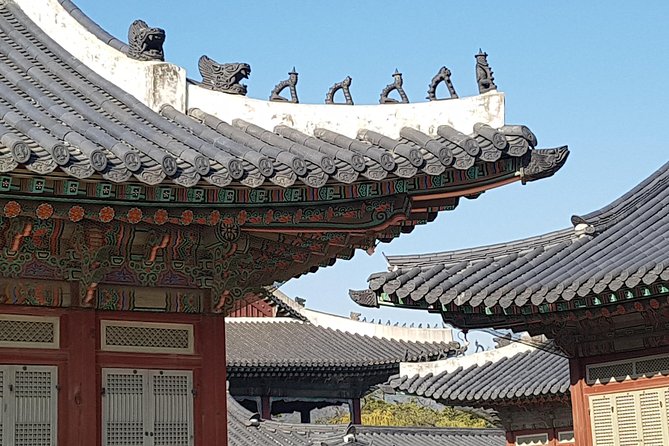
Your second main stop is Bukchon Hanok Village for about 30 minutes. The best part isn’t just the exterior views. You get a guided sense of what you’re looking at—and the chance to peer inside traditional houses where it’s possible.
This is also where you should pay attention to the street layout. Bukchon sits on slopes, and the neighborhood’s shape affects everything: how doors align, where people travel on foot, and why certain pathways feel steep. One review experience called out the uphill reality, and it’s the right warning. This isn’t a flat promenade.
What you’ll likely enjoy most in this portion:
- seeing how hanok design supports daily routines
- noticing the contrasts between old structures and modern surroundings
- getting the guide’s explanations so the village doesn’t turn into random alley wandering
The drawback to plan around
If you’re sensitive to steps and inclines, this part can be tiring. The tour isn’t labeled as a step-free walk, so it’s best to treat this as a “moderate fitness required” experience.
Price and Value: What You’re Paying For at $88
At $88 per person for roughly 3 hours, the value comes down to three things: guided storytelling, admission handling, and efficiency.
First, all entrance fees are included. That matters because palaces and museums in Seoul can stack costs quickly. Here, you don’t have to decide day-of whether you want to buy tickets separately or worry about where you’ll find entrances.
Second, you’re paying for a guide who connects architecture and ceremony to the bigger Joseon story. That’s the part you can’t replicate as easily with a self-guided audio app, especially if you’re new to the city and want clear context without doing research first.
Third, the timing is efficient. 3 hours isn’t long, but it’s long enough to cover the “big hits”: Gyeongbokgung highlights, a museum stop, and Bukchon’s quick taste of north Seoul. If you only have one morning or afternoon for this area, this format is practical.
Guide Impact: Why Names Like Stella, Jay Kim, Joe, Jack, and Paul Keep Appearing
In these kinds of tours, the guide is the difference between a good day and a memorable one. And here, the standout trait in many accounts is the same: clear storytelling, strong English, and pride in the material.
You’ll see names such as Stella, Jay Kim, Joe (Joseph), Jack, and Paul connected to praise about pacing, explanations, and answering questions. Several accounts also mention guides going the extra mile with small personalization—like adjusting around rain, adding time for photo stops, or suggesting a place to eat afterward (for example, one account mentions street food, and another mentions ending at a good restaurant in the area).
That doesn’t mean every guide will hit every same note. One downside note you should take seriously: a few experiences mention that guide energy and relevance can vary. So if you care about deep, sharp answers, come prepared with questions. Ask early, and you’ll usually get better results from any guide.
Timing, Weather, and Comfort: The Practical Stuff That Saves Your Legs
This is a weather-dependent tour and works best when conditions are clear. If rain hits, expect the schedule to adapt, and keep your day flexible.
For comfort, do not underdress. Wear shoes you trust on uneven ground and pack the mindset that you’ll walk more than you expect, especially with Bukchon’s uphill sections. One review basically said it straight: wear comfortable shoes and attire, because it’s worth the effort.
Also, since your tour ends in Insadong, plan a follow-up block of time right there. It’s a natural place to keep exploring by yourself because you’ll already be oriented around the center of old Seoul.
Should You Book This Gyeongbokgung–Bukchon Walking Tour?
I’d book this tour if:
- you’re a first-time visitor and want a guided path through Seoul’s palace-and-traditional-neighborhood highlights
- you like short, high-impact tours that explain what you’re seeing while you walk
- you want entrance fees included so you can avoid ticket logistics
- you can handle moderate walking, steps, and the uphill nature of Bukchon
I’d skip or look for another option if:
- hills and steps are a problem for your mobility
- you prefer long, slow exploration over ceremony-and-highlights pacing
- you worry about guide-to-guide variation and want a very specific teaching style
If you’re trying to choose one “first history walk” that links palace life to north Seoul neighborhoods, this is a strong pick. It’s not just a route. It’s a guided explanation of how Seoul’s past still shows up on your feet as you walk.
FAQ
How long is the Gyeongbok Palace and Bukchon Hanok Village walking tour?
The tour lasts about 3 hours.
What does the tour cost?
The price is $88.00 per person.
Are entrance fees included?
Yes. Admission fees are included for the palace, and the Bukchon Hanok Village admission is listed as free.
What’s included besides the guide and admission?
A professional guide is included, and you receive a mobile ticket.
What is the maximum group size?
The tour has a maximum of 8 travelers.
Where do you meet and where does the tour end?
The tour starts at 24-1 Taepyeongno 2(i)-ga, Jung District, Seoul, and ends in the Insadong area at 75-5 Insa-dong, Jongno District, Seoul.
Is the tour suitable for people with walking difficulties?
It is not recommended for travelers with walking difficulty on steps and uphills. Moderate physical fitness is suggested.
Does the tour include the Royal guard changing ceremony?
Yes. The Royal guard changing ceremony is included at Gyeongbokgung Palace.
Can I get a refund if I cancel?
There is free cancellation up to 24 hours in advance for a full refund. If it’s canceled due to poor weather, you’ll be offered a different date or a full refund.