REVIEW · SEOUL
Seoul: Gyeongbok Palace and Bukchon Hanok Walking Tour
Book on GetYourGuide →Operated by Korea Linx · Bookable on GetYourGuide
Morning Seoul feels like a time machine. I love how the walk starts with the big one—Gyeongbokgung Palace—and then keeps your momentum through the maze-like charm of Bukchon Hanok Village. The guide ties it all together with clear context, so the guard ceremony and traditional houses don’t feel like random sightseeing.
I also like the practical edge: you learn how to get around Korea’s transit system and how to move like a polite local while you’re out there. The small group size (max 8) makes it easier to ask questions and get photo tips as you go, and the tour finishes in Insadong, handy for souvenirs and a quick food stop afterward.
One consideration: this is a morning of walking, standing, and some uphill bits in Bukchon, so comfortable shoes really matter. If it’s cold or slippery, you’ll want to take it slow and dress warm.
In This Review
- Key highlights worth planning for
- Meeting at City Hall and Getting Your Bearings Fast
- Inside Gyeongbokgung: Watching the Royal Guard Ceremony
- The National Folk Museum: Joseon Daily Life in 98,000+ Objects
- Bukchon Hanok Village and Samcheongdong Alley on Foot
- How the Guide Helps You Understand Seoul, Not Just See It
- Finishing in Insadong: Turn the Morning Into Souvenirs and Snacks
- Price and Value: Why $88 Can Be Worth It
- Who This Tour Suits Best (and Who Might Want Another Plan)
- Tips to Make the 3 Hours Feel Easier
- Should You Book This Seoul Palace and Bukchon Tour?
Key highlights worth planning for
- The royal guard ceremony at Gyeongbokgung gives you a front-row look at palace tradition
- National Folk Museum at the palace explains Joseon daily life with 98,000+ artifacts
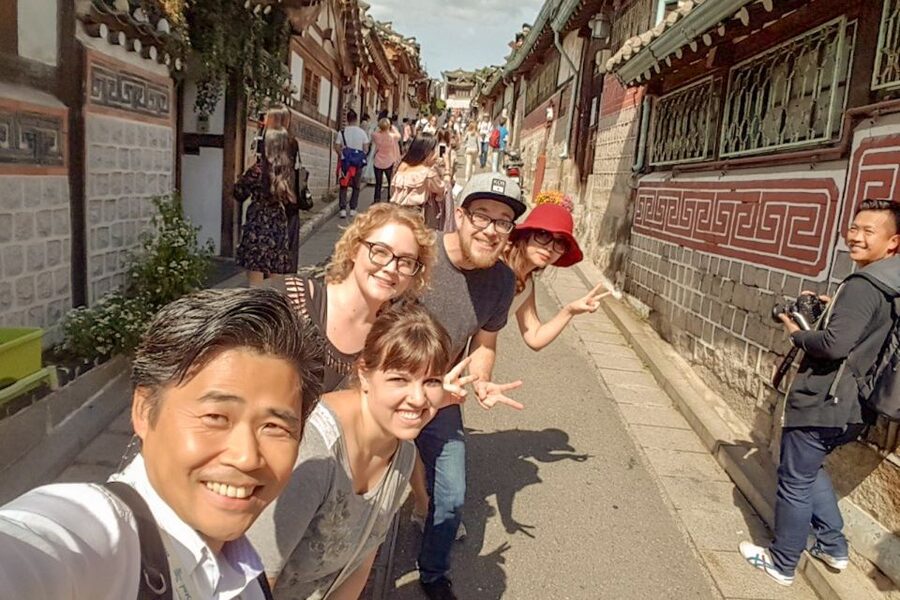
- Bukchon’s Samcheongdong Alley is a layered mix of old and new Seoul
- Small group limits to 8 so you get more attention and better photo guidance
- Public transport pointers help you keep moving confidently before you go out on your own
- Insadong finish makes it easy to turn the walk into shopping and snacks
Meeting at City Hall and Getting Your Bearings Fast
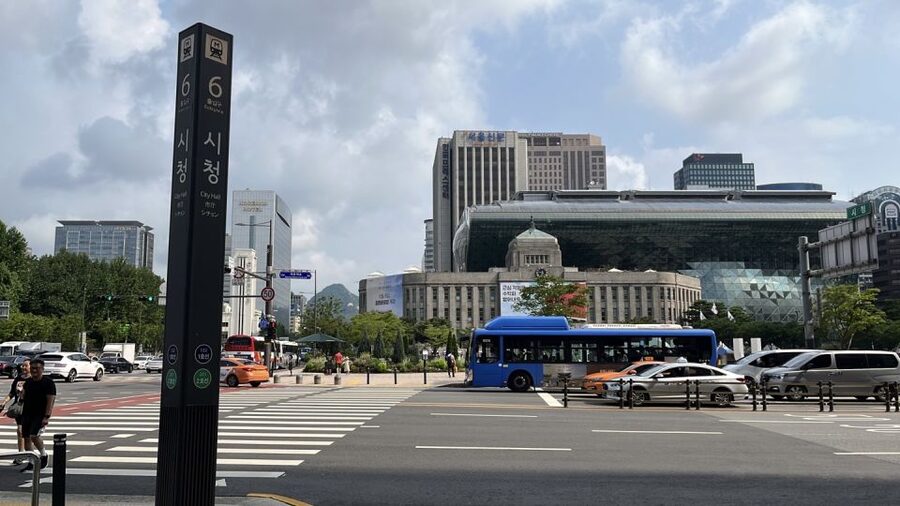
You meet at City Hall Station, Exit 6, outside and right next to The Plaza hotel. It’s a smart start point because City Hall sits in central Seoul, so you’re not fighting transfers before you even begin.
This tour is designed for a morning pace: you’ll meet, connect with the guide, then head out on foot toward Gyeongbokgung Palace. The walking component is part of the value here. Seoul becomes easier to read once you’re already moving through it, not just dropping in from a bus window.
Another thing I like: you’re not just watching sights—you’re learning how to be out in the city. The tour includes help with using public transport and local etiquette, which can save you stress on day one.
You can also read our reviews of more tours and experiences in Seoul.

Inside Gyeongbokgung: Watching the Royal Guard Ceremony
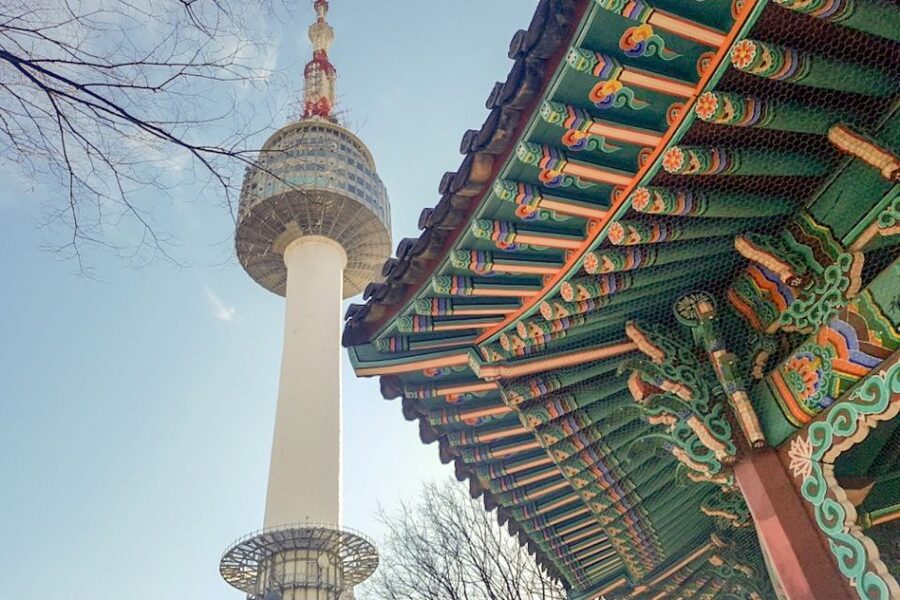
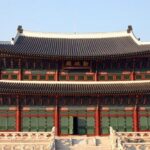
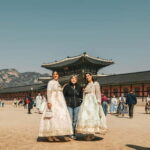
Gyeongbokgung is the kind of place that looks impressive in photos, but feels bigger in person. The palace grounds and ceremonial spaces help you understand why the Joseon Dynasty mattered so much to Korea’s national story.
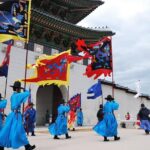
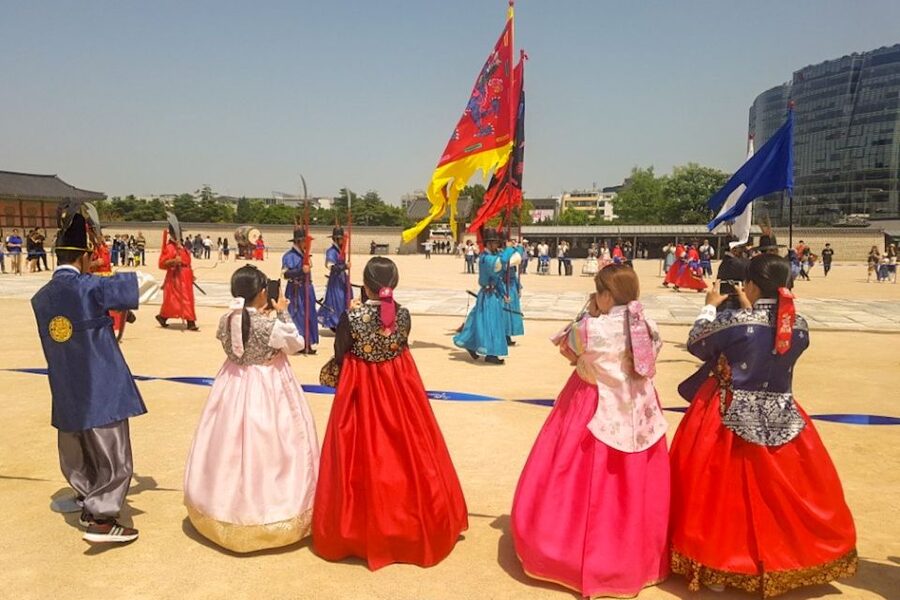
A major moment here is the changing ceremony of the royal guards. You get to see that period-style display as part of the palace experience, and your guide helps you place what you’re watching in context—what it symbolizes, and why it still connects to Korean identity today.
This is one of those activities where timing affects how good your view is. Go in prepared to stand and watch closely, and don’t treat it like quick picture time. The payoff is that the ceremony becomes a story you can follow, not just a short show you rush through.
The National Folk Museum: Joseon Daily Life in 98,000+ Objects
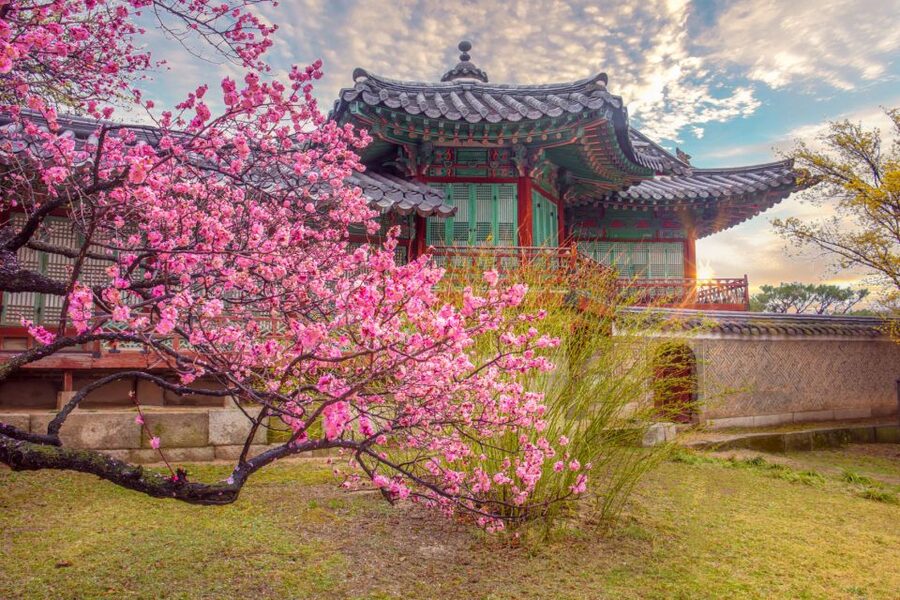
After the palace highlights, you stop at the National Folk Museum of Korea, located within the palace. The museum visit is valuable because it shifts the focus from court drama to everyday life.
You’ll see over 98,000 artifacts, and the guide helps you connect objects to the rhythms of Joseon-era Korean life—how people worked, dressed, and lived. This is the part that turns the palace from a pretty setting into a place with meaning.
The museum also helps you avoid a common trap when visiting royal sites: only noticing architecture and ceremonies. Here, you get context for what those buildings were supporting in real human terms.
Bukchon Hanok Village and Samcheongdong Alley on Foot
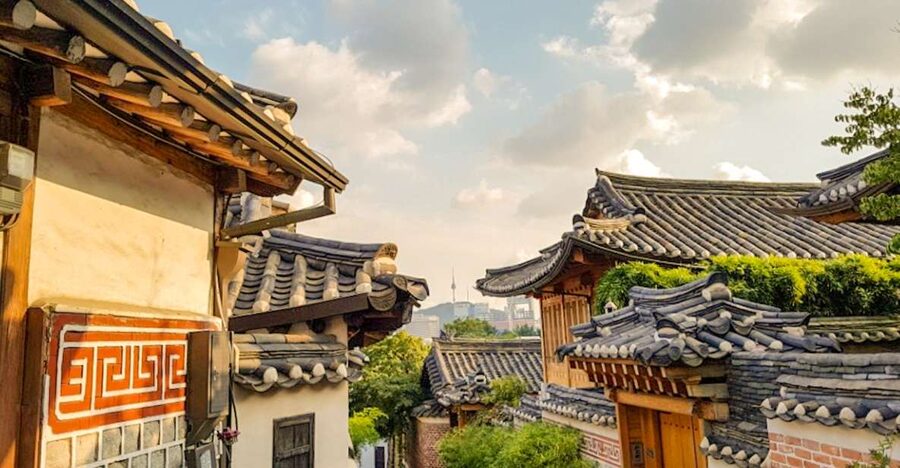
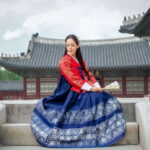
Next you head to Bukchon Hanok Village, and the walk includes Samcheongdong Alley. Bukchon is one of Seoul’s most photogenic areas because it shows the tension between old and new—traditional hanok houses sitting beside modern streets and daily life.
What I like about approaching Bukchon by walking is the slow reveal. You’re not just looking at a single postcard view. You’re moving through narrow passages and side lanes where the details—door shapes, roof lines, and street layouts—become the story.
Do expect some climbing and uneven footing. Multiple guides are mentioned for keeping groups comfortable through the harder stretches, but the reality is still physical: you’ll want comfortable shoes and patience for steps.
Also, Bukchon can feel busy at peak hours, so having a guide who manages the flow helps. You get better chances to look closely and take photos without feeling like you’re in a nonstop crowd crush.
How the Guide Helps You Understand Seoul, Not Just See It
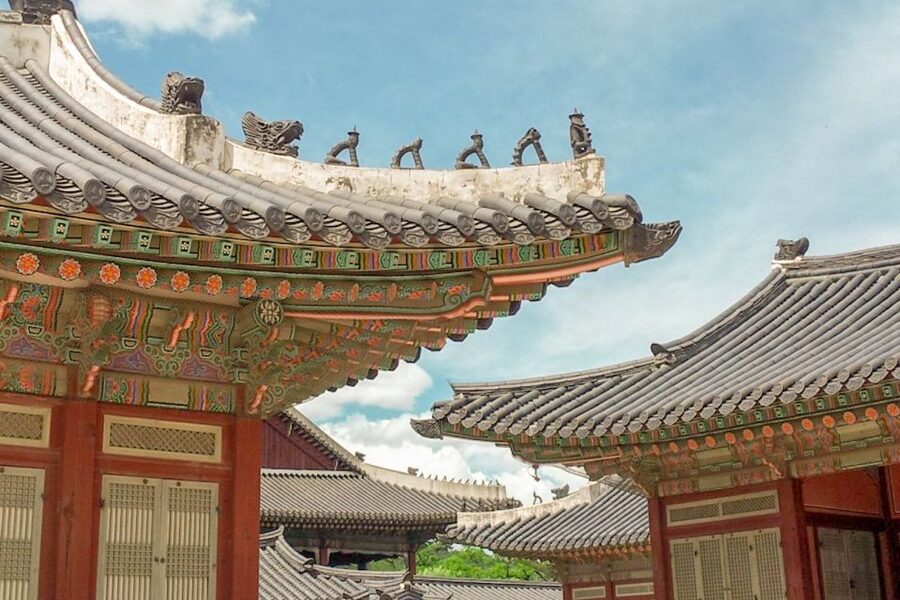
A big reason this tour earns standout ratings is the way the guide frames the city. Guides named in English tours—like Joe, Stella, Jay Kim, and Kay—are repeatedly praised for linking history to what you see right now.
In practice, that means you’ll hear explanations that make the palace and hanok village feel connected, not like two separate stops. You also get guidance on practical matters, including public transport use and general travel etiquette in Korea.
This matters if you’re only in Seoul for a short trip. A palace visit alone can still feel like a list of facts. But when the guide builds the connections—between rules, daily life, and what you walk past—you leave with a mental map that makes the rest of your week easier.
Finishing in Insadong: Turn the Morning Into Souvenirs and Snacks
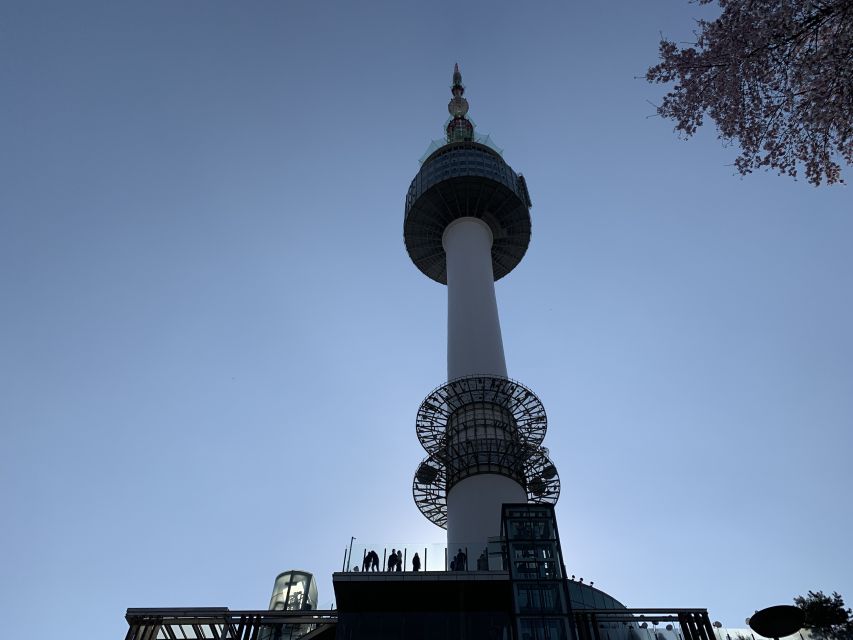
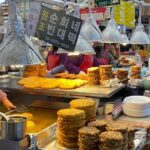
The tour ends around the Insadong area, which is a convenient place to transition from sightseeing to browsing. If you want souvenirs, tea, small gifts, or Korean-style snacks, Insadong is exactly the type of neighborhood that supports that.
Your guide can also offer recommendations for where to go next. This is more useful than it sounds because Insadong has plenty of shops, and it helps to know what’s worth your time when you’re walking with limited energy left.
If you’re thinking about lunch, you’re in a good spot to find something nearby without going far. That’s part of why the morning format works: you get culture early, then freedom later.
Price and Value: Why $88 Can Be Worth It
At $88 per person for about 3 hours, this tour sits in the midrange for Seoul guided experiences. The price makes sense because you get two big value anchors included: a live English guide and the Gyeongbokgung entrance ticket.
What you’re really paying for isn’t only access—it’s translation of complexity into something you can follow quickly. Gyeongbokgung is a large site with ceremonial details, and Bukchon’s lanes are easy to get lost in if you go alone.
Add the small-group format (limited to 8 participants) and it becomes easier to ask questions and move at a pace that still includes meaningful stops. For many first-time visitors, the transit tips also translate into savings—less trial and error when you start exploring on your own.
The one “value check” I’d suggest: if you hate standing and walking, you might find the time feels short for the effort. But if you like structured mornings with clear payoff moments (ceremony + museum + hanok alleys), this price is easier to justify.
Who This Tour Suits Best (and Who Might Want Another Plan)
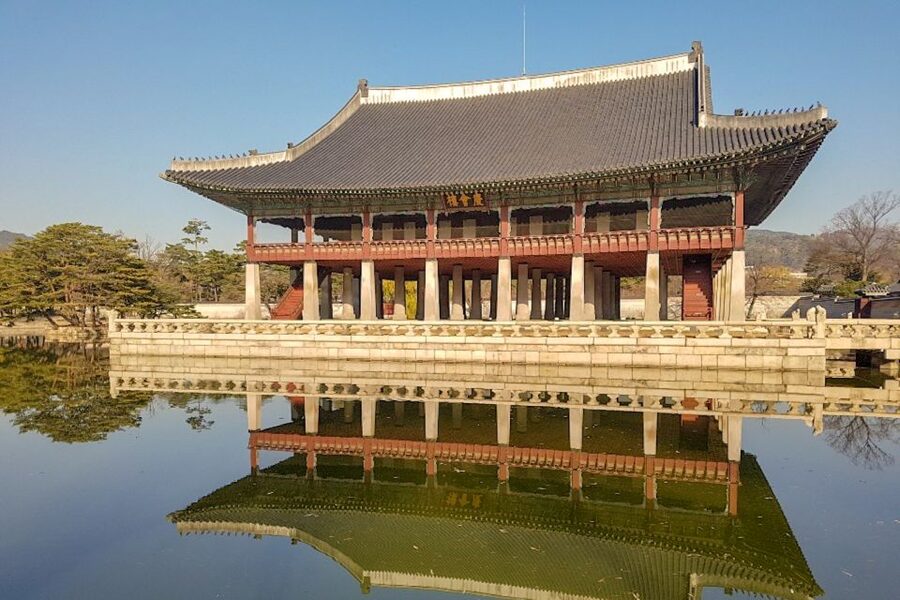
This tour is a good fit if you want an introduction to Seoul that goes beyond surface photos. You’ll learn how places connect to Joseon-era culture and then see how the city carries that legacy in everyday streets.
It’s also ideal if it’s your first days in Korea and you want help getting comfortable with public transport. The focus on practical guidance makes it less overwhelming.
If you’re traveling with limited time and you want both a major palace and a classic hanok neighborhood without coordinating multiple tickets and directions, this format is efficient. The 3-hour timeframe is long enough to feel meaningful, but short enough to keep your afternoon open.
If you struggle with stairs or uneven walking surfaces, Bukchon’s uphill sections could be a problem. The guide can help with pace, but the geography doesn’t disappear.
Tips to Make the 3 Hours Feel Easier
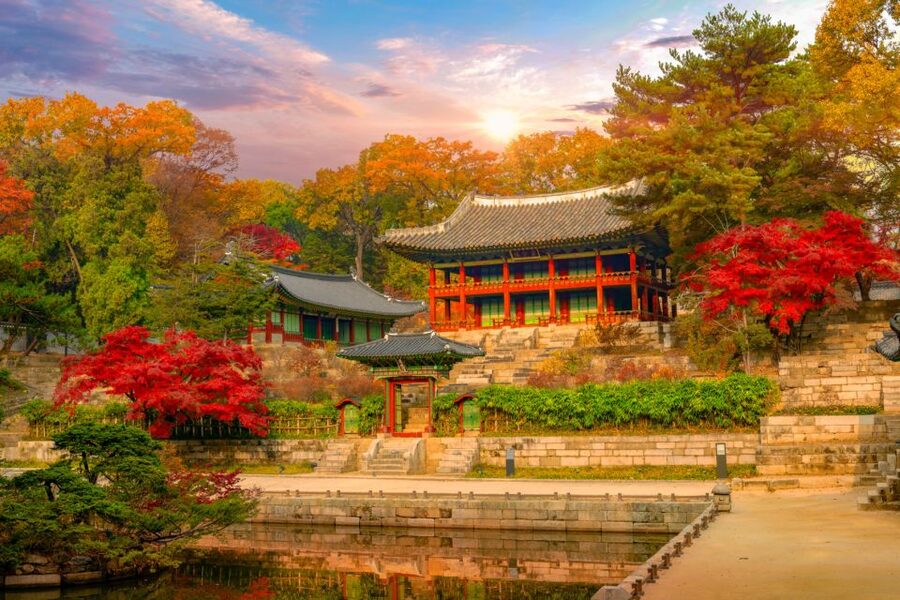
- Wear comfortable shoes with good grip. Bukchon involves uphill stretches and uneven footpaths.
- Dress for weather. The route can change based on weather and traffic, and mornings can feel sharp in cooler seasons.
- Plan to stand for ceremony viewing. Bring a posture-friendly mindset, not just a quick camera strategy.
- Keep an eye on the guide’s timing cues. They’ll help you get better sightlines without rushing the story.
- If you care about photos, ask early. Guides often point out where angles work better as you move.
The tour is also weather-dependent, so keep a flexible attitude. When plans shift, it’s usually to keep the experience moving safely and on schedule.
Should You Book This Seoul Palace and Bukchon Tour?
If you want a focused morning with real context, I’d book it. The combo of Gyeongbokgung’s ceremonial highlights, a museum stop with 98,000+ artifacts, and a walk through Bukchon’s Samcheongdong Alley is the kind of structure that turns history into something you can actually remember.
I’d skip or consider a lighter option only if you know you dislike walking and standing for 3 hours, or if you have mobility limits that make uneven streets difficult.
Otherwise, this tour is a smart first-step experience: you’ll leave with a clearer sense of what Seoul used to be, how it became what it is, and where to wander next—especially once you reach Insadong.