REVIEW · SEOUL
Seoul: Deoksugung Palace Night Tour
Book on GetYourGuide →Operated by Korea Guide Tour · Bookable on GetYourGuide
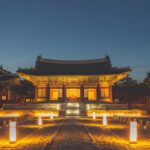
Deoksugung feels different when the lights drop. This Deoksugung Palace night tour turns a simple stroll into a story you can walk through, especially the Daehan Empire era tied to Japanese colonial pressure. I love how the route gives you a calm, low-light palace atmosphere rather than a fast, checklist sprint. I also love that the guide connects the spaces to the struggles of Emperor Gojong, so the buildings mean something. One heads-up: weekend and holiday reservations can be tricky to confirm, and the tour can be canceled if the group is too small.
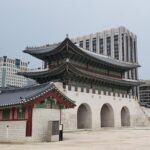
You meet at City Hall Station and head straight for Daehanmun Gate, where you start seeing the palace as both a royal setting and a historical turning point. Over about two hours, you’ll move from the ceremonial core to the emperor’s personal spaces, learning why each stop matters.
If you want extra time, you can stay after the tour to explore at your own pace and take photos. The tour is in English, and it’s wheelchair accessible, so it’s built to work for a wide range of visitors.
In This Review
- Key things that make this tour worth your time
- Why Deoksugung at night changes the whole experience
- Getting started at City Hall Station and entering through Daehanmun Gate
- Junghwajeon: where the ceremony meets the real scale
- Seokeodang: the beloved building and the human side of royal life
- Hamnyeongjeon: the king’s bed chamber and what it suggests
- Jungkwanheon Hall: the coffee moment you’ll remember
- The Korean-and-Western architecture blend: what to actually look for
- How much time you truly get (and why 2 hours is a sweet spot)
- Price value: is $38 for a 2-hour palace walk fair?
- Who this tour fits best (and who might skip it)
- Guides: what quality looks like in practice
- After the tour: staying for photos and your own pace
- Should you book the Deoksugung Palace Night Tour?
- FAQ
- What is the meeting point for the tour?
- How long is the Deoksugung Palace Night Tour?
- How much does it cost?
- What’s included in the price?
- What language is the tour guide?
- Is the tour wheelchair accessible?
- What should I bring?
- Is free cancellation available?
Key things that make this tour worth your time
- Daehanmun Gate first: you start at the main entrance and get oriented fast
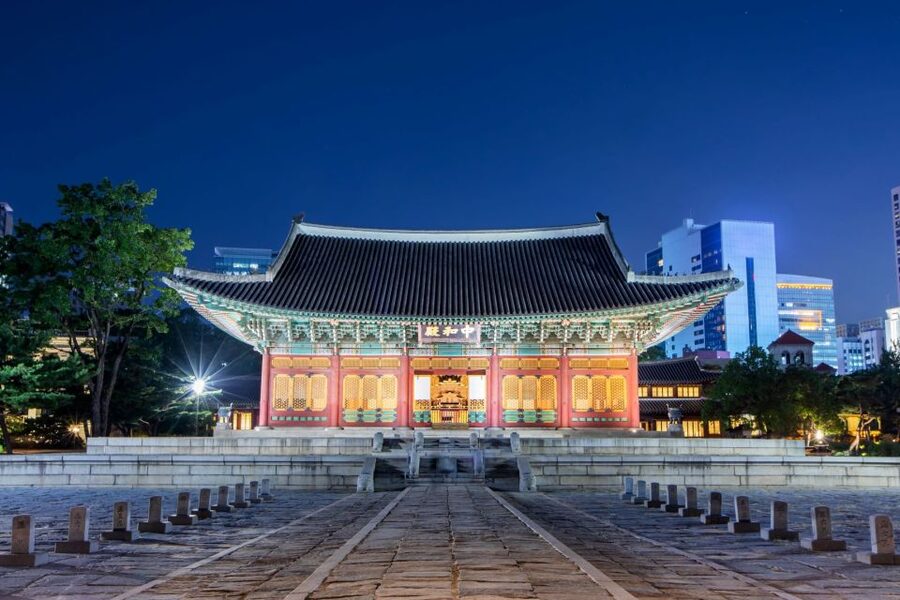
- Junghwajeon’s throne-hall feeling: you’re meant to notice scale and ceremony
- Seokeodang’s personal side: King Gojong’s most beloved building adds a human layer
- Hamnyeongjeon (bed chamber): royal life, not just pageantry
- Jungkwanheon and the coffee-cafeteria detail: history with an everyday twist
- Korean-and-Western architecture mix: you’ll learn what you’re looking at while you’re looking at it
Why Deoksugung at night changes the whole experience
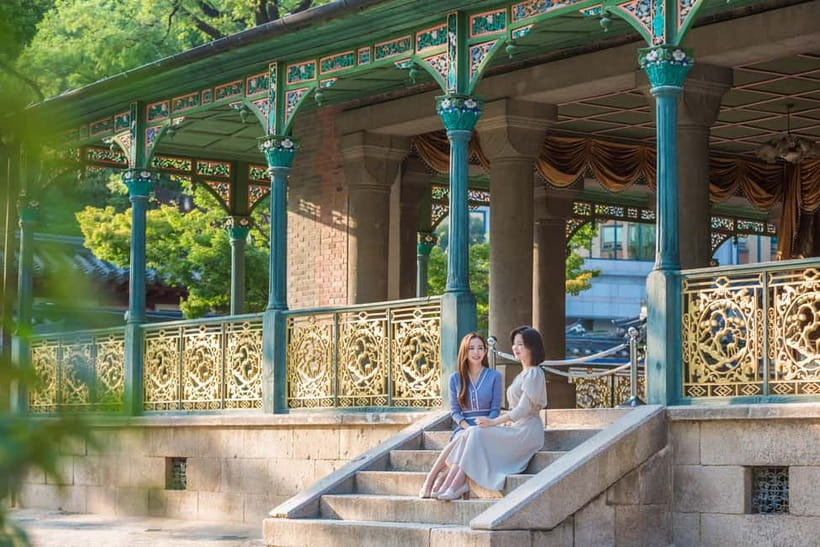
A palace tour is usually about speed and symmetry: walk, look, photos, move on. This one adds a different ingredient: mood. Whether you go at morning or night, Deoksugung has that slower, quieter feel that makes the architecture more noticeable. You’re not just seeing buildings. You’re getting the sense of space, perspective, and time.
The bigger reason I liked it is that it frames the palace as a witness to modern Korean history. The palace served as royal quarters for 13 years, and it became a place where Emperor Gojong had to fight—politically and symbolically—for sovereignty during the pressure of Japanese colonial rule. When your guide points to the right hall and then explains what was at stake, the story lands in your body, not just in your notes.
And there’s another angle that’s easy to miss on your own: the way Korean-style design meets Western influence. You’ll learn to spot that blend while you’re standing in the middle of it, which makes the whole visit feel smarter.
You can also read our reviews of more tours and experiences in Seoul.


Getting started at City Hall Station and entering through Daehanmun Gate
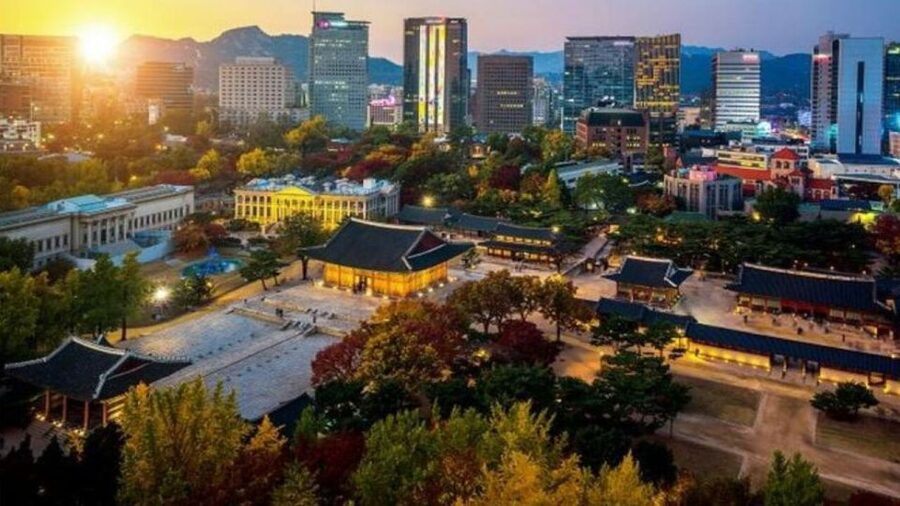
You’ll meet outside Exit 1 of City Hall Station and then walk to the palace with your guide. I like meeting at a major station because it reduces the stress of hunting for a meeting point. From there, the tour starts at the main gate—Daehanmun Gate—so you begin with orientation instead of guessing where to go.
Walking through a palace entry isn’t just practical. It sets your mental mode. You’re moving from city noise into a historical world with its own rules: sight lines, pathways, and hierarchy. Your guide helps you read those signals so you can understand why the route moves the way it does.
If you’re the type who enjoys asking questions, this is a good format. The guides linked to this experience have a reputation for answering questions precisely and patiently, which matters when you want clarity on details like architectural names, functions of different buildings, or why the story is tied to this specific site.
Junghwajeon: where the ceremony meets the real scale
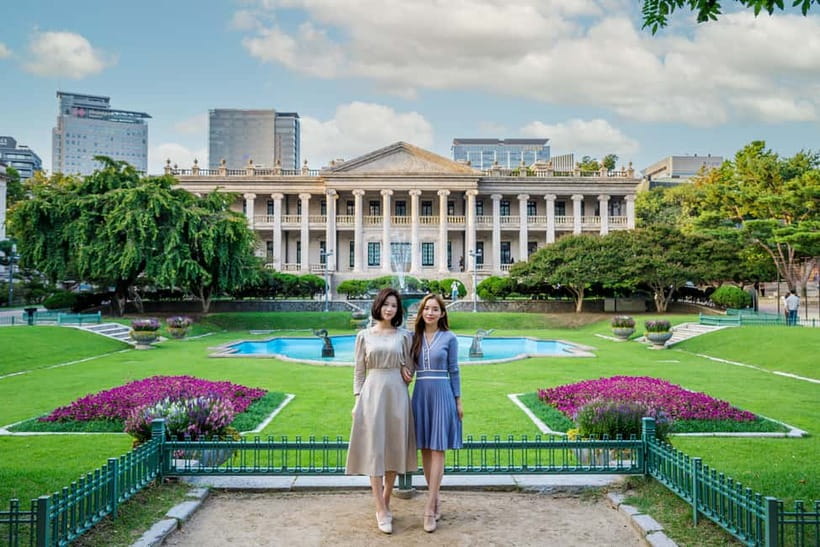
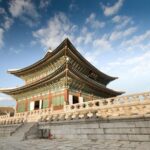
Junghwajeon is the main throne hall, and it’s where your sense of “power” should click into place. This isn’t the sort of stop where you just stare and hope it looks impressive. The guide’s job is to help you notice why a throne hall is designed the way it is—its position, the feeling of formality, and the symbolic weight of the space.
Here’s what I think makes this stop valuable: it gives you a starting point for interpreting everything else. Once you understand Junghwajeon as a ceremonial center, the later, more personal spaces (like the bed chamber) become more meaningful. You’re not just moving through random buildings. You’re traveling through layers of court life.
Practical tip: wear shoes that won’t complain. You’ll be on your feet enough that comfort matters more than fashion.
Seokeodang: the beloved building and the human side of royal life
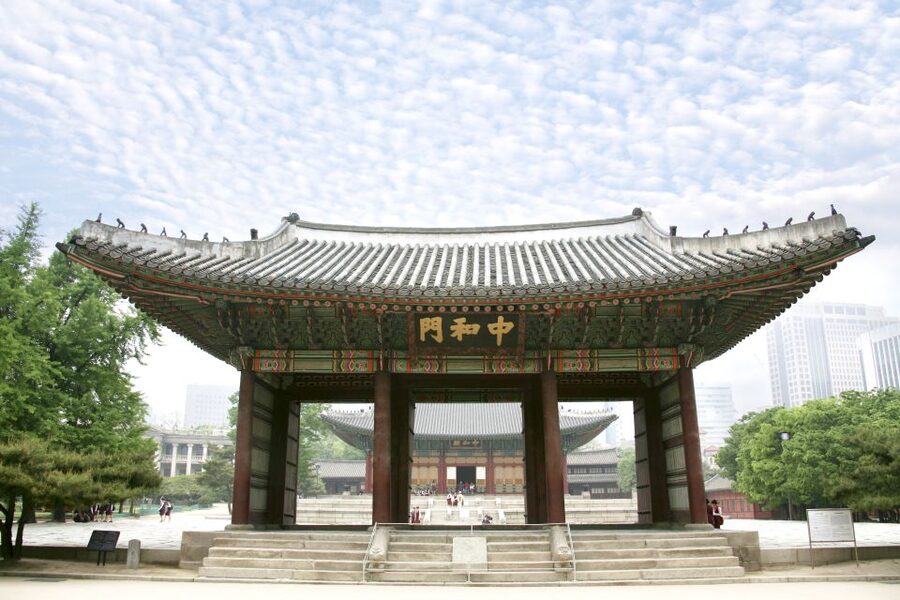
Seokeodang is described as the most beloved building of King Gojong, and that detail is more useful than it sounds. “Beloved” implies someone spent time here, cared about it, and likely treated it as more than an official backdrop.
This is where the tour balances big history with personality. Yes, you’re learning about sovereignty struggles under colonial pressure. But this stop helps you remember that rulers still had preferences, routines, and tastes. The palace wasn’t only for formal events. It was also a place where the emperor’s preferences shaped daily experience.
When the guide connects a building to the way the king actually used it (and why it mattered), you start thinking differently about royal architecture. Instead of assuming it was all cold grandeur, you understand the court as lived-in space.
Hamnyeongjeon: the king’s bed chamber and what it suggests
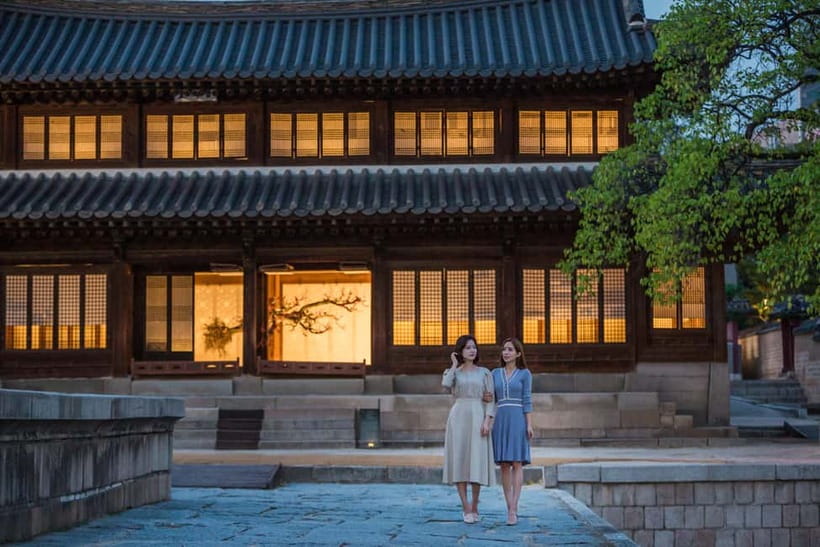
Hamnyeongjeon is the king’s bed chamber. This is the stop that turns a history tour from “public image” to “private life.” You can probably read a throne hall faster on your own. The bed chamber is different because it nudges you into imagining routines and vulnerability.
Why does that matter? Because political pressure shows up in personal spaces too. Your guide’s framing—tying the palace’s role as royal quarters to Emperor Gojong’s struggle for sovereignty—makes Hamnyeongjeon feel like more than a room name. It becomes a reminder that big events don’t stay in the headlines; they affect how people live.
If you like moments that feel a little cinematic (without being cheesy), this is one. It’s quiet, focused, and full of meaning.
Jungkwanheon Hall: the coffee moment you’ll remember
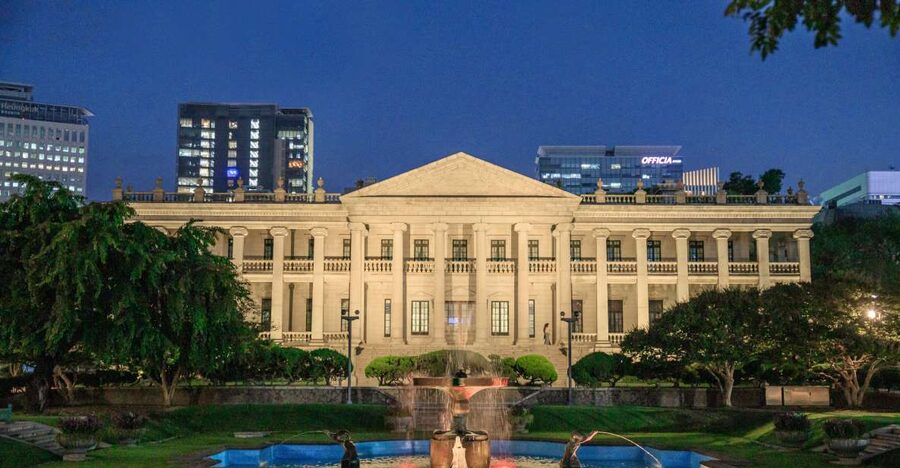
Jungkwanheon Hall is where the emperor enjoyed coffees, and it’s a delightfully specific detail. It’s also a clever teaching tool. Once you hear about coffee in a palace setting, you start noticing how court life incorporated comfort and routine—even as the political situation was anything but comfortable.
This stop also helps with the tour’s broader theme: the mix of Korean-style and Western influence. Even when you’re not sure you’re seeing Western influence directly, the guide’s commentary gives you the framework to interpret what you’re looking at. That means your brain stays engaged instead of drifting into “interesting building, next building.”
I also like that Jungkwanheon makes the tour feel real. History isn’t only wars and treaties. It’s also daily habits, and the palace is where those habits played out.
The Korean-and-Western architecture blend: what to actually look for
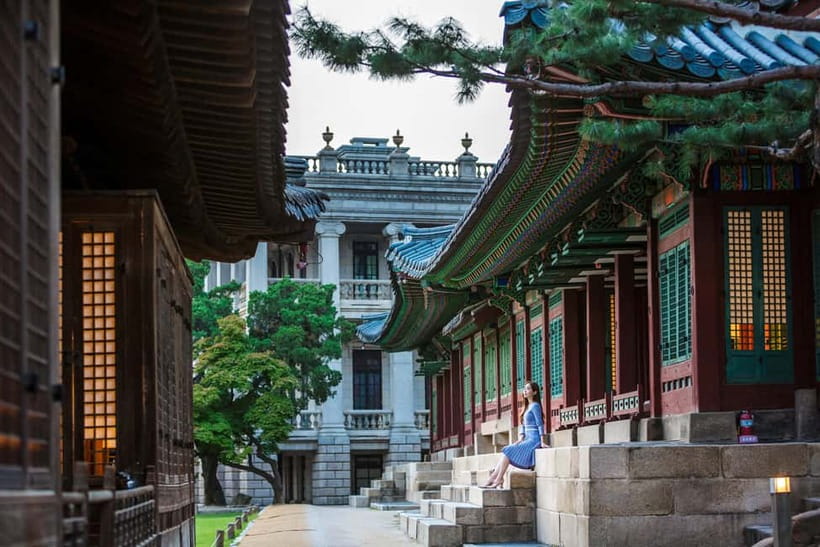
One of the highlights is learning Korean-style architecture where it meets Western influence. The practical win here is that your guide points out what you’re seeing instead of leaving you to guess.
Without guidance, “architectural mix” can sound vague. With guidance, it becomes a set of observations: the way certain forms, design choices, or styles show up in the palace environment, and how those choices fit into the era’s cultural cross-currents.
Here’s the trick to enjoy it fully: don’t rush to take photos. Pause first. Let the guide explain, then re-look with the new lens. If you do that, you’ll come away with more than memories—you’ll have a better eye for the details.
How much time you truly get (and why 2 hours is a sweet spot)
The tour runs about 2 hours. That’s short enough that you won’t feel dragged through palace fatigue, but long enough for real explanation and not just “look at that, move on.”
In a city like Seoul, your schedule might be packed. A focused two-hour experience is a smart choice because you can pair it with other nearby sights without burning your whole day. And because the route covers major buildings in a logical flow, you’ll feel like you saw the palace’s story arc instead of random highlights.
If you’re visiting with kids, or if you prefer walking but not long walking, this length usually feels manageable. It’s also a good option if you want history that’s specific and place-based rather than general sightseeing.
Price value: is $38 for a 2-hour palace walk fair?
$38 per person for a 2-hour guided walk sounds simple, but the value comes from what’s included. You get a local English guide plus an entrance fee, and those two elements are what make this feel more structured than a self-guided palace wander.
For me, the best way to judge value is to ask: are you buying your own confusion, or are you buying clarity? This tour buys clarity. Instead of guessing what each building functioned as, you’ll hear names and roles tied to Emperor Gojong’s story and to the palace’s place in modern Korean history.
Also, the price becomes easier to swallow if you’re planning to spend time anyway. If you were going to visit the palace on your own, you’d still need entry and you’d still be figuring out which rooms matter most. Here, the guide does the sorting.
Who this tour fits best (and who might skip it)
This is a strong pick if you want:
- a guided history walk that feels grounded in specific places
- an explanation of the Daehan Empire story and the sovereignty struggle around Emperor Gojong
- architecture learning, especially the Korean-and-Western style mix
- a night or low-light option that changes the feel of sightseeing
It’s also a solid choice if you’re not trying to master palace trivia. The route focuses on key stops—Junghwajeon, Seokeodang, Hamnyeongjeon, Jungkwanheon—so you don’t get lost in a huge site.
You might want to skip or choose something else if you prefer long, free-roaming palace time with minimal talking. This is still a guided experience, and the value comes from the commentary and the sequence.
Guides: what quality looks like in practice
English live guides run the tour. In the guide names linked to this experience, I’ve seen strong consistency: people like Sally Sung and Joy are described as excellent, precise with details, and great at answering questions clearly. Alan is also noted for very interesting content and clear storytelling.
What I take from that: the guide isn’t just reciting facts. The tour works because the explanations are structured, and you’re not stuck staring at buildings wondering what they mean.
After the tour: staying for photos and your own pace
One of the most practical perks is that you’re free to stay behind after the tour to explore at your own pace and take photos. I like this because a guided tour can make you too eager to hurry. Here, you get the best of both worlds: you start with guided context, then you finish as a photographer or casual wanderer.
Bring that comfort to your timing. If it’s night, you’ll want to adjust your pace to lighting and footing.
Should you book the Deoksugung Palace Night Tour?
I’d book this if you want history that’s tied to real spaces and not just general explanations. You’ll walk through major royal buildings, learn why they matter during Emperor Gojong’s difficult fight for sovereignty, and pick up a sharper eye for the Korean-and-Western architecture blend.
It’s also a good time investment. Two hours is realistic, and the included entrance fee plus a live English guide makes it feel fair for the structure you get. If you’re visiting on a weekend or holiday, I’d plan a little extra flexibility since reservations can’t be confirmed in those cases and the tour may be canceled if the group is too small.
If your goal is to see Deoksugung while also understanding it, this tour gives you that mix of atmosphere, story, and practical guidance.
FAQ
What is the meeting point for the tour?
You meet outside Exit 1 of City Hall Station.
How long is the Deoksugung Palace Night Tour?
The tour lasts about 2 hours.
How much does it cost?
It costs $38 per person.
What’s included in the price?
A local tour guide and an entrance fee are included.
What language is the tour guide?
The tour is conducted with a live guide in English.
Is the tour wheelchair accessible?
Yes, the tour is wheelchair accessible.
What should I bring?
Wear comfortable shoes, since you’ll be walking around the palace.
Is free cancellation available?
Yes. You can cancel up to 24 hours in advance for a full refund.