REVIEW · SEOUL
Seoul Hop-On Hop-Off Downtown Palace Course
Book on Viator →Operated by Seoul City Tour Bus · Bookable on Viator
Palaces in Seoul are a lot of walking. This hop-on hop-off Downtown Palace Course helps you reach Changdeokgung, Deoksugung, and Gwangwhamun without the stress of traffic, parking, or subway exit puzzles. I like that it gives you on-board audio with many language options, so you can match the pace of your own day.
My other favorite part is the flexibility: you can ride, then hop off and stay as long as you want at each palace area. One thing to consider is that some riders report difficulty finding the bus stop or resuming the route if stops aren’t clearly marked, so you’ll want a plan for where you’re getting back on.
In This Review
- Key things to know before you go
- What You’re Really Paying $38 For
- Board at 서울 타이거버스 정류장, Then Build a Palace-First Plan
- Audio Guide: Great in Theory, Mixed in Real Life
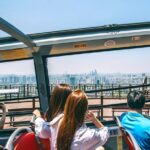
- Riding the Loop: Comfort, Ventilation, and Bus Types
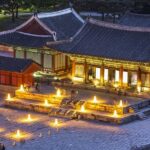
- Changdeokgung Area: Why This Stop Works on a Time-Crunched Day
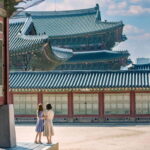
- Deoksugung Stop: A More Flexible Palace Visit Than It Sounds
- Gwangwhamun Area: Connecting the Dots Without Subway Stair Stress
- The Best Way to Use a Hop-On Bus in Seoul (So You Don’t Waste Time)
- Price and Value: When This Bus Makes Sense
- Quick FAQ
- FAQ
- How long is the Seoul Downtown Palace hop-on hop-off course?
- What time does the service start?
- Where do I meet to board?
- Is the audio guide included, and what languages are available?
- Do I need to pay entrance fees separately?
- Can I bring food or drinks on board?
- Should You Book This Palace Hop-On Hop-Off Bus?
Key things to know before you go
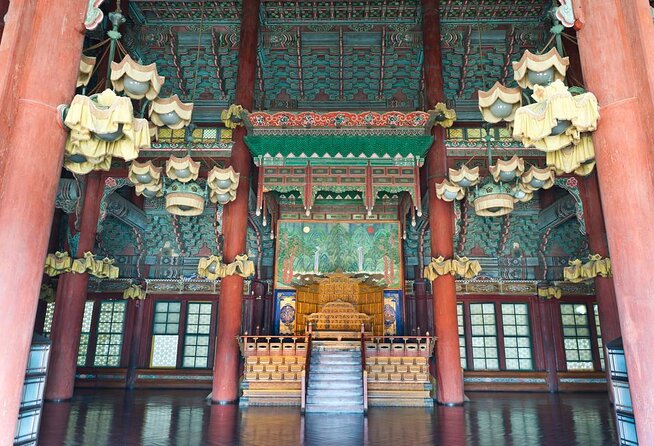
- Hop-on hop-off freedom lets you spend more time where you’re most interested
- On-board audio guide runs in many languages, including English
- Frequent bus service (listed around every 30 minutes) can reduce waiting time
- Entrance fees aren’t included, so you’ll still need tickets for the palaces
- No food or drinks on board, which keeps the ride tidy but means plan water breaks outside
What You’re Really Paying $38 For
At $38 for about 1.5 hours, you’re not paying for palace entry. You’re paying for transportation plus audio interpretation while you connect the dots between major palace locations. That’s a smart trade if your day is tight and you’d rather spend your energy looking around than figuring out how to get between sites.
It’s also a good option if you want a semi-structured day. Seoul is great for DIY sightseeing, but subway station exits can turn a simple route into a long stair-and-crosswalk workout. A bus loop approach helps you get to the right areas fast, then switch to walking once you’re actually there.
The main “value test” is simple: if you plan to visit more than one palace area, the hop-on setup usually feels worth it. If you only want one palace, you might be better off skipping the bus and going directly by subway or taxi.
You can also read our reviews of more tours and experiences in Seoul.


Board at 서울 타이거버스 정류장, Then Build a Palace-First Plan
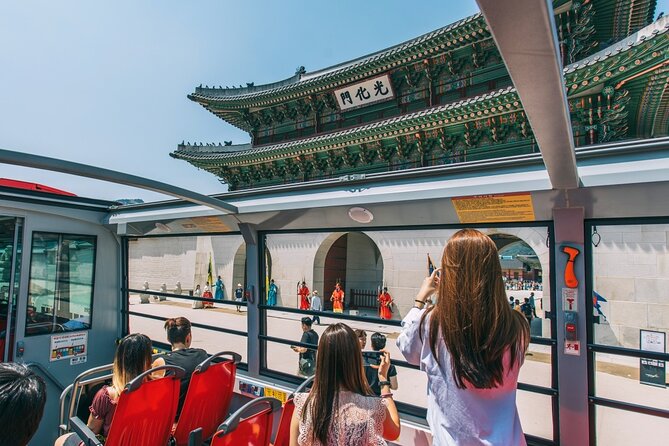
Your start time is 9:30 am, and the listed meeting point is 서울 타이거버스 정류장 near public transportation. With a mobile ticket, you don’t need to hunt for a paper voucher at the last second. Still, the bus stop can be tricky—some riders said it was hard to spot, waited a long time, or had trouble locating the correct pickup point.
Here’s how I’d handle it:
- Arrive early enough to stand there calmly and confirm you’re at the right side of the street.
- Save the location on your phone (and, if you can, keep an offline map handy).
- If you’re getting off, note the closest landmark you can quickly recognize when you return.
Also keep expectations realistic about pacing. The ride time is about 1.5 hours circulation, and buses run every 30 minutes (the overview also mentions around every 40 minutes). In practice, bus timing can vary, so give yourself a little buffer if you’re trying to line up with a timed entry ticket.
Audio Guide: Great in Theory, Mixed in Real Life
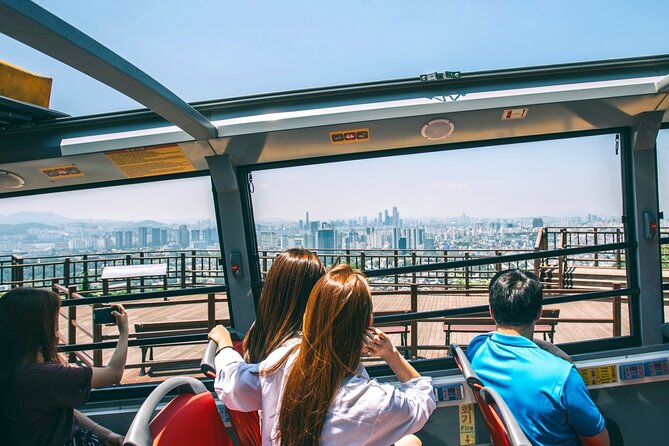
The on-board audio guide is the product’s brain. You get audio in English plus Korean, Chinese, Japanese, Russian, German, French, Spanish, Thai, Vietnam, Indonesian, and Malaysia. That’s an excellent range for mixed groups and for anyone who prefers to learn while moving.
But here’s the thing: your enjoyment may depend on the bus setup. Multiple riders reported that loud Korean commentary from the bus speakers can overpower the audio you’re trying to listen to through your earbuds/headphones. Some also described trouble hearing the English track clearly.
So I’d treat the audio as helpful context—not the only reason to ride. If you can hear it well, great. If it’s too loud, you can still enjoy the loop and use the audio as background. When the bus driver announces a stop, some recordings may pause or shut off—so don’t wait until the last second to get ready to hop off.
Practical tip: one rider explicitly said you need to press the stop button if you want to get off. That’s the kind of small action that can make or break your day with a hop-on bus. If you’re the one who wants out, be proactive.
Riding the Loop: Comfort, Ventilation, and Bus Types
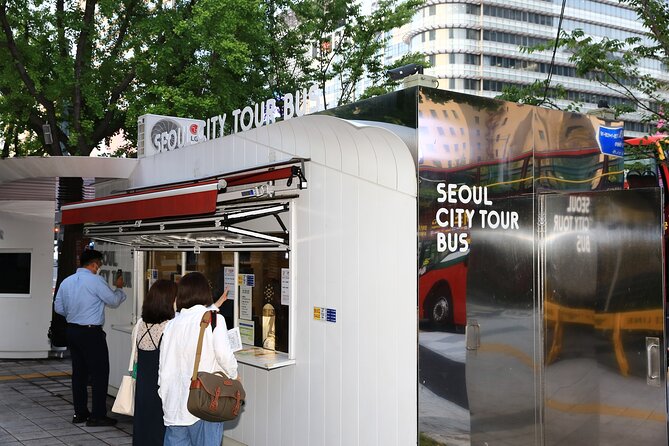
Your comfort level may vary by which bus you catch. One experience described an early trolley-style vehicle that felt noisy and rough, while later buses (described as MAN buses) were better. Other riders mentioned ventilation issues and even a leaky roof on a bus, so it’s fair to assume bus condition isn’t perfectly consistent.
What you can control:
- Bring a light layer if you’re sensitive to drafty air.
- If you feel the ride is loud or uncomfortable, don’t ignore your instincts—jump off at the next planned spot and reset your day.
- Since there are no food or drinks allowed on the vehicle, plan water stops at the palaces or nearby areas instead of expecting a break on board.
And since some riders mentioned the bus might not be easy to see at the stop, it helps to stay alert while you’re waiting. Don’t assume the next bus will be obvious—watch the route carefully and confirm it stops.
Changdeokgung Area: Why This Stop Works on a Time-Crunched Day
Changdeokgung is one of the palace highlights included in the Downtown Palace Course. The biggest reason to care about this stop isn’t just the name—it’s the logistics win. Instead of plotting a route with multiple subway lines and station exits, you’re using the bus to drop you in the right palace zone, then walking around once you’re there.
What to expect from the experience format:
- You’ll ride past or near major landmarks on the way, with audio guidance in your selected language.
- You can hop off when you want, then decide how long to stay based on your energy level.
- After your visit, you return to the bus stop and re-join the route.
The drawback to watch for is that stop navigation can be the weak link. Some riders said stops weren’t clearly indicated and they couldn’t find where to hop back on. If Changdeokgung is your priority, take a moment to visually confirm the exact pickup point before you start walking. Think of it like a “return ticket” you’re carrying in your eyes.


Deoksugung Stop: A More Flexible Palace Visit Than It Sounds
Deoksugung is another palace stop on the course, and this is where hop-on hop-off becomes more than convenience. It turns palace time into something you can control.
Here’s the value:
- You’re not locked into one rigid tour schedule.
- If you like a palace, you can spend longer there without worrying you’ll miss the next group departure.
- If you’re not feeling the full visit today, you can keep moving and use the bus to reposition.
A practical caution from real experiences: some riders described route maps being outdated or not clearly showing which stops were active. That can cause wasted waiting time, especially if you’re counting on a specific hop-on point.
My advice: treat this as a transportation service first, and a guide service second. Use the bus to get you close, then rely on your own bearings once you’re on foot.
Gwangwhamun Area: Connecting the Dots Without Subway Stair Stress
Gwangwhamun is included as well, and this stop is a strong choice if you’re trying to balance “palace sightseeing” with “Seoul city feel.” The core benefit here is distance management. Seoul’s palaces and major sights can be spread out just enough to punish you for walking too much between them, especially if your legs are tired from the rest of your itinerary.
With a hop-on bus:
- You can ride the circuit, then step off at Gwangwhamun when it matches your pace.
- You can stay as long as you like, rather than rushing to fit someone else’s tour timing.
- You get an easy way to reposition if you want to change plans after arriving.
One review experience also noted that the bus took time to arrive at each place if you weren’t interested in a stop you already visited. That’s not unique to Seoul—hop-on loops mean the bus has to keep connecting points. So if Gwangwhamun is your main target, plan to actually enjoy the time there, not just use it as a quick photo stop.
The Best Way to Use a Hop-On Bus in Seoul (So You Don’t Waste Time)
Even with a good route, you can still lose time if you hop off and then can’t figure out where to wait for the bus again. Here’s a strategy that works well for palace days:
1) Ride the full loop first if you can.
Some riders said they spent time riding the loop, then used the saved knowledge to hop off at the spots they identified. It’s an efficient way to learn the layout when you’re new.
2) Press the stop button early if you want off.
Don’t wait until you’re standing at the door. Make your request clear. One rider specifically warned that you need to activate the stop action.
3) Choose your priorities and set your stay length.
You’re working with roughly 1.5 hours of circulation. If you’re planning multiple palace areas, decide how long you’ll stay at each—otherwise the day can stretch and your last hop-ons can feel rushed.
4) Expect timing to vary a bit.
Bus frequency is listed as every 30 minutes, but a few experiences suggested waits can be longer. Build a small buffer so you don’t start panicking if the bus doesn’t appear right on the minute.
5) Don’t forget entrance fees.
The bus ticket covers the ride and audio, not entry. Plan for palace entry tickets separately so your hop-off time turns into actual sightseeing, not a stop-and-start scramble.
Price and Value: When This Bus Makes Sense
$38 sounds steep until you think like a city navigator. In Seoul, time is lost in two ways: transportation friction and walking detours. This ticket tries to remove both by combining:
- a car-friendly route between palace zones
- an audio guide while you connect areas
- hop-on freedom so you don’t feel trapped
For best value, I’d book it if you meet two conditions:
- You want to visit more than one palace area today (not just one).
- You want to reduce subway-exit hunting and street-crossing stress.
For weaker value, it’s when:
- Your plan is only one palace stop.
- You’re the kind of traveler who hates buses and prefers going direct with subway every time.
- You’re relying on the bus stop to be perfectly signposted and easy to find—some riders reported the opposite.
If you do book, give yourself an easy win: arrive early, take note of where you boarded, and confirm your return point before you wander too far.
Quick FAQ
FAQ
How long is the Seoul Downtown Palace hop-on hop-off course?
It runs for about 1 hour 30 minutes (approx.).
What time does the service start?
The listed start time is 9:30 am.
Where do I meet to board?
The meeting point is 서울 타이거버스 정류장.
Is the audio guide included, and what languages are available?
Yes, the audio guide is included. It’s available in English and many other languages: Korean, Chinese, Japanese, Russian, German, French, Spanish, Thai, Vietnam, Indonesian, and Malaysia.
Do I need to pay entrance fees separately?
Yes. Entrance fees to any sites or museums are not included.
Can I bring food or drinks on board?
No. Food or drinks are not allowed on the vehicle.
Should You Book This Palace Hop-On Hop-Off Bus?
If you want a low-stress way to hit multiple palace areas in one day, I’d say yes—with a smart attitude. This is a great tool for reducing transportation friction, and the audio guide in English (plus many other languages) is a real quality-of-life upgrade.
But don’t treat it like a guaranteed, perfectly signposted streetcar tour. Some people struggled to find the stop or confirm pickup points, and audio volume can be an issue on certain buses. If you’re willing to arrive early, double-check where you hop on, and plan your palace entry tickets in advance, you’ll likely get the kind of day this bus is best at: palace time, with less map stress.