REVIEW · SEOUL
Seoul: Deoksugung Palace Night Tour
Book on GetYourGuide →Operated by Korea Guide Tour · Bookable on GetYourGuide
One of Seoul’s best night walks starts at a palace gate. Deoksugung Palace feels especially gripping at night, and I love how an English guide ties the Daehan Empire era to specific buildings. The big plus is learning the personal story of Gojong, the last Joseon king and first emperor, plus seeing the Korean and Western architectural mix. One drawback: this is a history-focused walk, so if you want only casual photo stops, you might find the explanations a bit intense.
I also like the pace. You’ll move through the palace’s key spaces (including the main throne hall and royal chambers) without feeling rushed, and you can stay behind afterward to take photos on your own. English guides such as Joy and Alan are specifically praised for being clear, accurate, and patient, which matters a lot when you’re dealing with dates, titles, and political change.
Plan on good shoes and a little patience at the meeting point. The tour runs about 2 hours, and it’s set up to start from City Hall Station Exit 1, so you’ll want to arrive a few minutes early and be ready to walk.
In This Review
- Key highlights you’ll feel right away
- Why Deoksugung Palace at night feels like Seoul’s quieter side
- The 2-hour format: enough time for meaning, not just photos
- Meeting outside City Hall Station Exit 1: simple, central, walkable
- Entering Daehanmun Gate and Junghwajeon: where power was performed
- Seokeodang: the king’s beloved space (and why it matters)
- Hamnyeongjeon (the king’s bed chamber): the royal life you can picture
- Jungkwanheon Hall and coffee: a small detail with big payback
- The architectural mix you’ll actually be able to spot
- How the Daehan Empire story lands without turning into a lecture
- Price and value: what $38 buys you (and what it doesn’t)
- Practical tips so you enjoy the night walk more
- Who this tour is best for
- Should you book the Deoksugung Palace Night Tour?
- FAQ
- How long is the Deoksugung Palace Night Tour?
- How much does the tour cost?
- Where do I meet the guide?
- What is included in the ticket price?
- Is the tour wheelchair accessible?
- What language is the tour guide?
- What should I bring and wear?
Key highlights you’ll feel right away
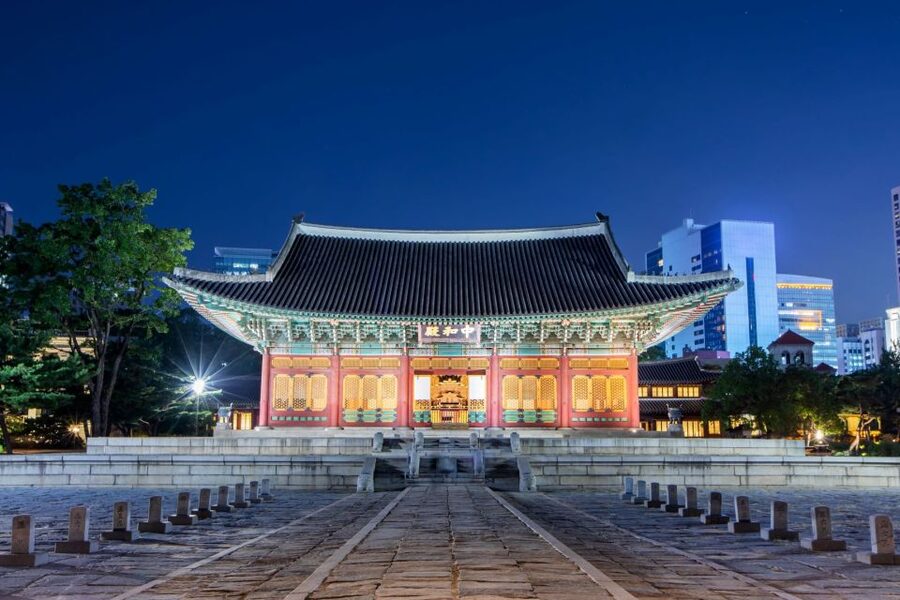
- Night atmosphere at Deoksugung: cooler air, gentler light, and a palace that feels more human after dark
- Gojong’s turning point: how the palace shifted from Joseon to the Daehan Empire era, and why that mattered
- Clear building-by-building storytelling: from Daehanmun Gate to Junghwajeon and the king’s living spaces
- A Korean-Western architectural mashup: the visual story of modernization you can actually see
- English guidance that stays patient: names like Joy and Alan come up for explaining things well
- Good photo time after the tour: you’re not trapped in a strict end-and-go schedule
Why Deoksugung Palace at night feels like Seoul’s quieter side
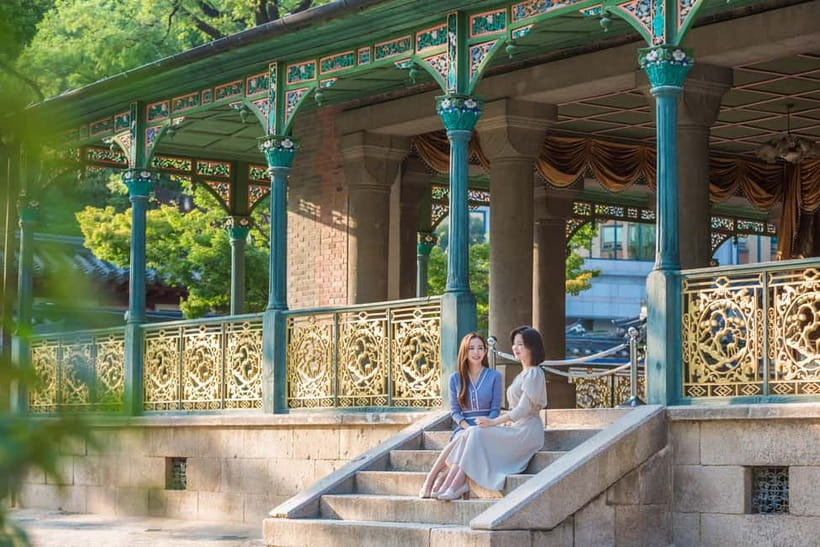
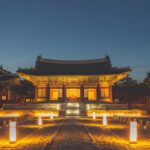
Deoksugung Palace can feel busy in the daytime, but at night the place changes its mood. The halls and gates don’t just look scenic; they feel like stages where real decisions happened. If you like history you can picture, evening makes it easier.
I also like that this tour doesn’t treat the palace like a museum object. You’re walking inside a space that served as royal quarters during a critical stretch of modern Korean history. And because it’s a night tour, you’re more likely to notice smaller details—materials, silhouettes, and that mix of styles you often miss when it’s hot and crowded.
One more reason this works: Deoksugung is tied to Gojong. The story isn’t abstract. He’s the last king of Joseon and also the first and last emperor associated with the short-lived Daehan Empire period. That personal, almost tragic arc is the backbone of the walk.
You can also read our reviews of more tours and experiences in Seoul.

The 2-hour format: enough time for meaning, not just photos
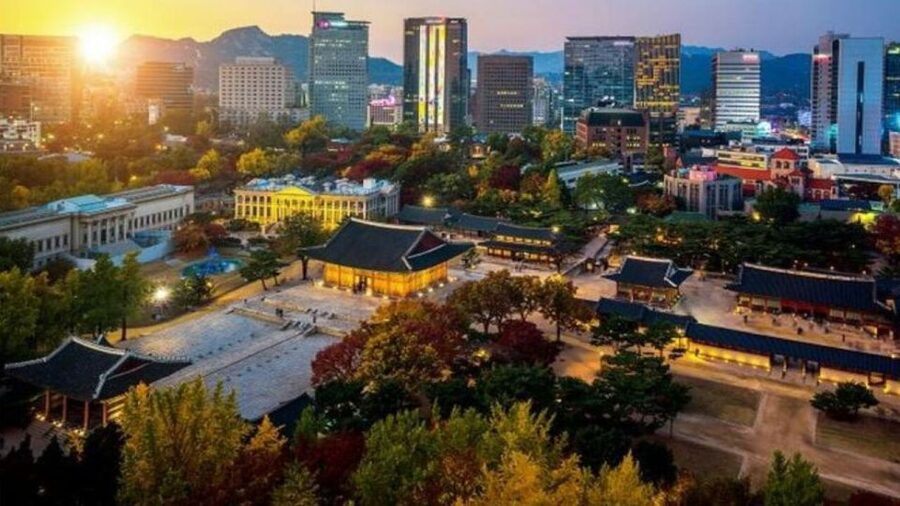
You’re looking at a 2-hour guided experience that starts at City Hall Station and ends back where you began. That length is long enough to cover the palace’s major sites without you feeling dragged from one location to another.
The tour is built around a “walk and learn” flow. You’ll go through the palace grounds and hit the key named buildings in a logical order, so the story makes sense as you move. By the time you’re near the end, you’ll understand why the tour focuses on sovereignty, modernization, and the pressure of Japanese colonial rule.
Because it’s guided, you also avoid the most common palace problem: wandering around and guessing what you’re looking at. Here, the buildings are explained in context, including what each space represented to the royal household.
Meeting outside City Hall Station Exit 1: simple, central, walkable
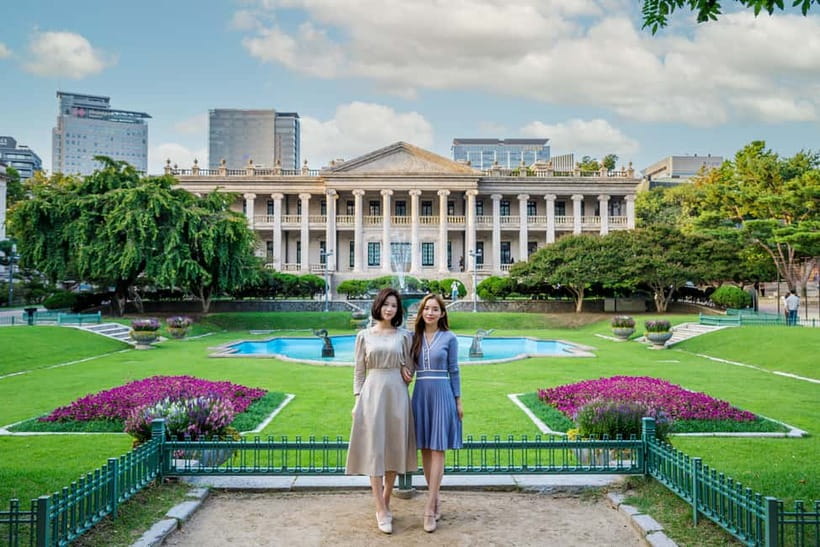
The meetup point is outside Exit 1 of City Hall Station. That’s a practical choice. You’re close to a major transit hub, and it keeps you from adding extra subway transfers to your evening plan.
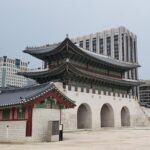
You’ll begin by entering the palace grounds through the main gate, Daehanmun Gate. Starting there matters because it sets the tone immediately: you’re not just strolling near a landmark, you’re entering the royal world in the same way a visitor would have once approached it.
The tour ends back at the meeting point. For you, that means less logistics after your walk. You can head straight to dinner or continue exploring the City Hall area without figuring out a second “how do I get back” puzzle.
Entering Daehanmun Gate and Junghwajeon: where power was performed
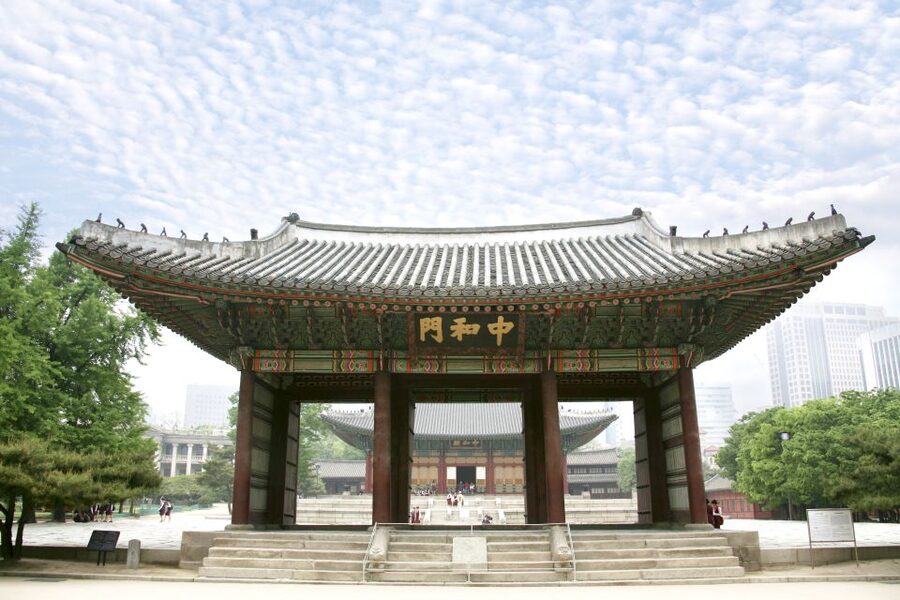
The first big landmark on your path is Daehanmun Gate, the main gate of the palace. It’s a strong way to begin because gates are not just entrances. They communicate rank, control, and structure. Walking through it with a guide helps you notice what you’d otherwise gloss over.
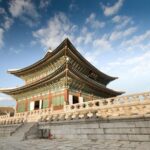
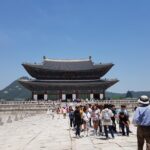
Next comes Junghwajeon, described as the main throne hall. This is where the tour’s history narrative really starts to click. Even if you’re not a palace scholar, you can connect the building’s purpose to the political story: a kingdom trying to hold authority while the outside world squeezed it.
What I like about this stop is the balance. You’re not only looking at a hall; you’re learning why that hall mattered during the transition period tied to Gojong and the Daehan Empire. The explanations give you a framework for the rest of the walk.
Seokeodang: the king’s beloved space (and why it matters)
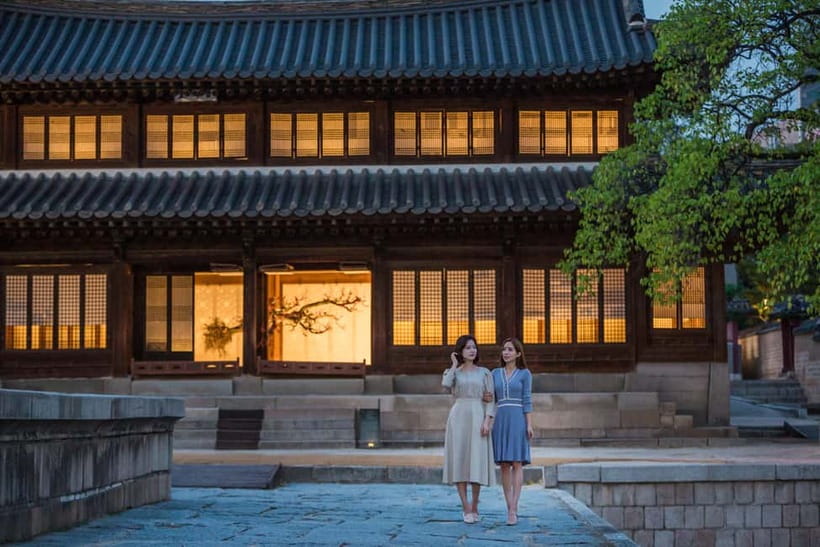
Then you reach Seokeodang, often described as the most beloved building of King Gojong. That detail changes how you experience the room. Instead of seeing it only as architecture, you start imagining how a ruler lived with the space day to day.
This is one of those stops where a good guide makes a real difference. If you’re good at visualizing, you’ll likely picture conversations, daily routines, and private moments inside a place that looks formal from the outside.
It also helps connect the larger political themes to something personal. The story of sovereignty and loss can become heavy fast. Seokeodang acts like a reminder that leaders are human, even when their world is changing.
Hamnyeongjeon (the king’s bed chamber): the royal life you can picture
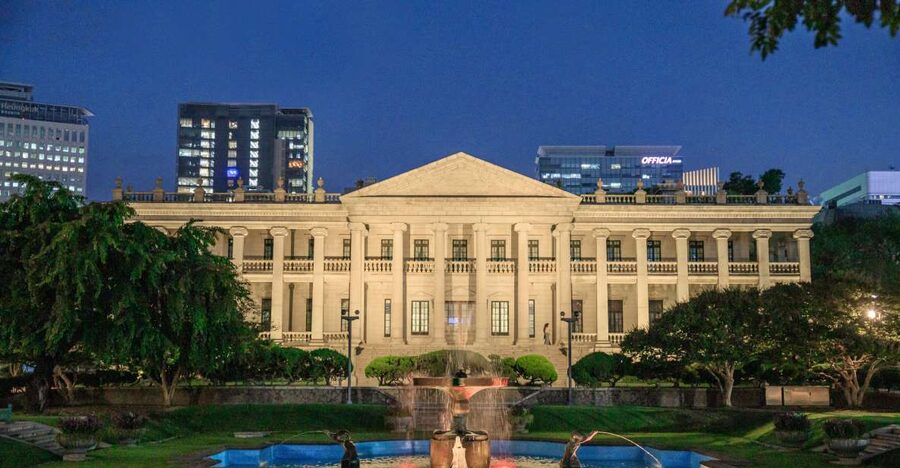
After Seokeodang, your path leads to Hamnyeongjeon, the king’s bed chamber. This stop is powerful because it pulls you from public power to private life. In a palace, those are two different worlds, and seeing both makes the story feel complete.
The guide’s job here is to help you see why this space is part of the same historical narrative. It’s not just a room name on a sign. It’s a window into the daily reality of royal quarters, during years when Gojong struggled to regain control of palace sovereignty under Japanese occupation.
If you’re the type who enjoys architecture plus context, this is a highlight. It turns the palace from a scenic walk into a lived-in story.
Jungkwanheon Hall and coffee: a small detail with big payback
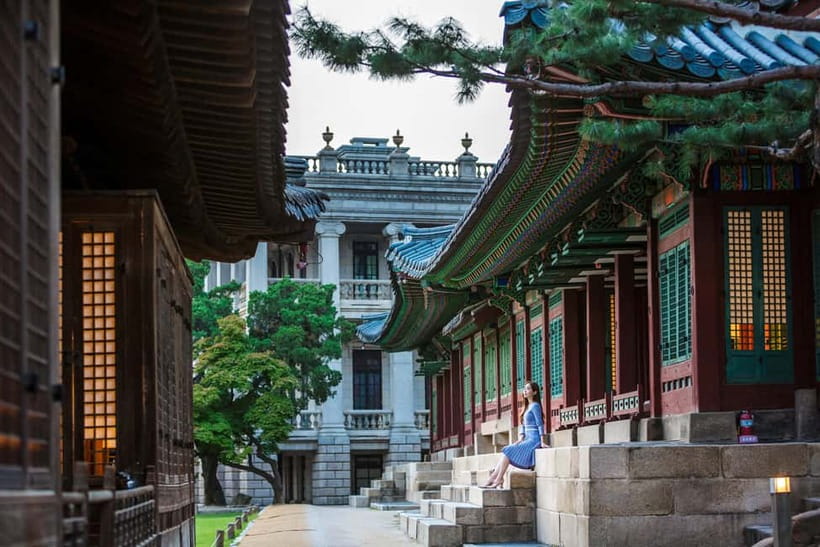
The tour continues to Jungkwanheon Hall, described as the cafeteria where the emperor enjoyed his coffees. That might sound small, but it’s one of the smartest moments in the whole tour.
Because it’s about coffee, it gives you a bridge to the architectural theme of the experience: Korean-style design meeting Western influence. You can connect the modernization story to everyday behavior, not just politics and treaties.
And yes, it helps you emotionally. It’s easier to stay engaged when a tour includes real-life habits—food, drinks, routines. You’re still learning the serious parts of history, but you’re not only carrying tragedy.
The architectural mix you’ll actually be able to spot
One of the tour’s defining themes is where Korean-style architecture meets Western influence. That matters because it’s visual evidence of how modern Korea was changing during this era. You don’t need to be an architecture expert to notice it, especially when your guide points out what to look for.
As you move between buildings, you’ll start to see how formality, function, and new influences coexist. It’s not just pretty buildings; it’s a physical record of modernization pressures.
This is also why the night timing helps. Softer evening light can make contrasts more obvious. You may find yourself looking longer at edges, rooflines, and the way different elements sit together.
How the Daehan Empire story lands without turning into a lecture
The tour focuses on the sad but impactful storyline of the Daehan Empire under Japanese Colonialism. It also covers the palace’s role as royal quarters for 13 years, which is a key piece of the puzzle.
Here’s the practical takeaway for you: the guide helps you connect the dates and titles to the places you’re standing in. That’s the difference between memorizing history and understanding it.
You’ll learn that Gojong was trying to get back sovereignty over the palace during Japanese occupation. That struggle is central to why Deoksugung is more than a pretty site. It becomes a symbol of control lost and control fought over, and your walk makes that symbolism concrete.
If you’re worried it will feel too heavy, don’t. The pace includes spaces that are more personal and even slightly light—like that coffee reference—so the story doesn’t flatten into nonstop sadness.
Price and value: what $38 buys you (and what it doesn’t)
At $38 per person for about 2 hours, you’re paying for a live English guide plus the entrance fee. That’s the value piece: you’re not just buying admission and hoping you’ll figure it out alone.
For me, the best part is the “translation into understanding” value. Palaces are full of terms—gate names, hall names, and rooms tied to royal roles. A good guide turns those labels into meaning. And with guides like Joy and Alan being praised for clarity and patience, you can feel more confident that you won’t be left lost.
What you should plan for: your own arrival and onward travel costs. The tour doesn’t list transport inclusions, so treat it as a walk-and-guide experience once you’re at the meetup point.
Practical tips so you enjoy the night walk more
Comfort matters here. Wear comfortable shoes because you’ll be walking through multiple palace spaces.
If you want good photos, plan to shoot before you get too tired. The tour includes time to move through key buildings with context, and you’ll also have the option to stay behind after the tour to explore at your own pace and take pictures.
A small planning note: the tour is scheduled with starting times based on availability. If you’re choosing between a few time slots, pick the one that fits your energy level. An evening start can be great, but it’s still a walk.
Also, reservations can’t be confirmed on weekends and holidays. If your trip hits those days, you’ll want to check availability early so you’re not stuck adjusting your plan at the last minute.
Who this tour is best for
This is a strong match if you:
- want a short, guided history walk that’s connected to specific buildings
- like palaces but hate wandering without context
- enjoy modern Korea’s story through architecture and political change
- want an English guide who keeps explanations clear and patient
It’s less ideal if you want a pure photo tour with minimal talking. This experience is designed around understanding what you’re seeing, and the pacing assumes you want the story, not only the scenery.
Should you book the Deoksugung Palace Night Tour?
Yes, I think it’s worth booking if you want a meaningful Deoksugung visit without doing the research yourself first. The combination of an English guide, entrance fee included, and a focused 2-hour loop through major named spaces makes the value feel solid.
You should consider passing or trying another format if you prefer free-roam palace time with almost no history. But if you like history that’s tied to real places—especially Gojong and the Daehan Empire era—this tour is a smart way to get it right in one evening.
One final tip: come prepared to walk and listen. If you do, you’ll leave with a clearer picture of why Deoksugung isn’t just a destination. It’s a story written in stone, gates, halls, and the spaces where power lived.
FAQ
How long is the Deoksugung Palace Night Tour?
The tour duration is 2 hours. Starting times depend on availability, so you’ll want to check the schedule for your date.
How much does the tour cost?
The price is $38 per person.
Where do I meet the guide?
Meet the guide outside Exit 1 of City Hall Station.
What is included in the ticket price?
You get a local tour guide (English) and an entrance fee.
Is the tour wheelchair accessible?
Yes, the activity is listed as wheelchair accessible.
What language is the tour guide?
The live tour guide speaks English.
What should I bring and wear?
Wear comfortable shoes. If you plan to take photos, bring what you normally use for low-light or evening pictures, since the tour is designed for morning/night timing.